


How to choose the right action cameras
Key Features to Look For
When choosing an action camera, prioritize video resolution and frame rates, as these dictate the clarity and smoothness of your footage. Look for 4K resolution and high frame rates (e.g., 60fps or higher) for crisp, detailed video. Image stabilization is crucial for reducing shaky footage, especially during fast-paced activities. Waterproofing is another vital feature, often built-in or achieved with an included case, allowing you to capture underwater scenes. Battery life is also important; consider models with swappable batteries or extended recording times. Finally, connectivity options like Wi-Fi and Bluetooth enable easy transfer and remote control.
Types and Formats of Action Cameras
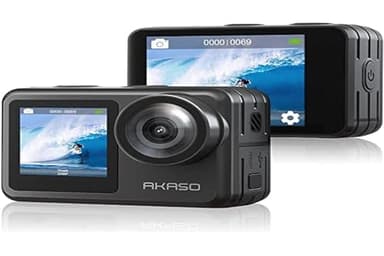
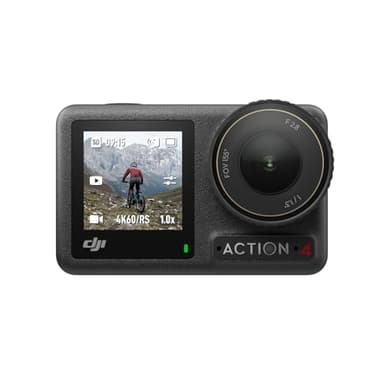
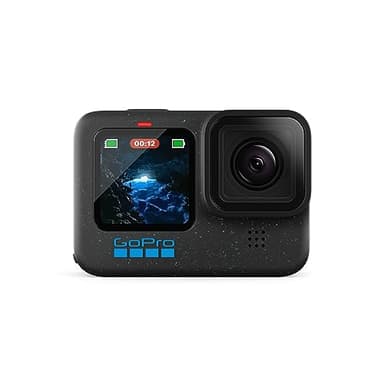
Action cameras primarily come in two main formats: traditional and 360-degree. Traditional action cameras, like those from GoPro or DJI, capture a wide-angle, first-person perspective, ideal for documenting specific activities or scenes. They are generally rugged and designed for straightforward point-and-shoot operation. 360-degree cameras, such as the Insta360 X3, record everything around them, offering immersive footage that can be reframed later. This format provides immense creative flexibility, allowing you to choose your perspective after filming. Some cameras also offer modular designs, where different lenses or modules can be attached for varying shooting needs.
Sizing and Compatibility
Action cameras are generally compact and lightweight, designed to be mounted in various locations. Their small size makes them unobtrusive for activities like cycling, surfing, or skiing. Compatibility often revolves around mounting systems and accessories. Most action cameras use a standard mounting interface, allowing them to be attached to helmets, handlebars, chests, or tripods using a wide range of accessories. Check for compatibility with existing mounts you own or consider bundles that include essential accessories. Software compatibility for editing and sharing footage is also important; ensure the camera's app or desktop software works with your devices.
Understanding Budget Tiers
Action cameras are available across a wide range of price points, generally correlating with features and performance. Entry-level models typically offer basic 1080p or 4K video at lower frame rates, suitable for casual use and beginners. Mid-range cameras introduce better image stabilization, improved low-light performance, and higher frame rates, appealing to more serious enthusiasts. High-end action cameras provide top-tier video quality (e.g., 5.3K or 8K), advanced stabilization, robust build quality, and extensive features like GPS, touchscreens, and advanced audio capabilities, catering to professionals and demanding users.
Common Mistakes to Avoid
One common mistake is neglecting to check the camera's actual waterproof rating; some require an external case for submersion. Another is underestimating the need for extra batteries and storage cards, as action cameras can consume power and space quickly, especially when recording in high resolution. Failing to properly secure your camera with appropriate mounts can lead to loss or damage during intense activities. Also, many users overlook the importance of image stabilization, resulting in shaky, unusable footage. Finally, not understanding the camera's settings before an activity can lead to missed shots or suboptimal video quality.
Frequently asked questions
What is the main difference between an action camera and a regular camera?
Action cameras are built to be durable, waterproof, and compact, designed for capturing footage during activities where traditional cameras would be too fragile or cumbersome. They often feature wide-angle lenses and advanced image stabilization for dynamic shots.
Do I need a waterproof case for my action camera?
It depends on the model. Many modern action cameras offer built-in waterproofing to a certain depth. However, for deeper dives or prolonged underwater use, an additional waterproof housing is often recommended or required to protect the camera.
How important is image stabilization in an action camera?
Image stabilization is extremely important for action cameras. Without it, footage captured during movement (like biking or skiing) can appear very shaky and difficult to watch. Electronic or optical stabilization helps smooth out bumps and vibrations for clearer video.
What resolution should I look for?
For most users, 4K resolution provides excellent detail and future-proofing. If you plan to heavily crop or zoom in on footage, or desire the absolute best quality, consider models offering 5K or higher. For casual use, 1080p can still be sufficient.
How can I extend my action camera's battery life?
To extend battery life, you can carry extra batteries, use lower video resolutions or frame rates, turn off Wi-Fi/Bluetooth when not needed, and avoid extreme temperatures. Some cameras also support external power banks for extended recording.