


How to choose the right automotive
Key Features to Look For
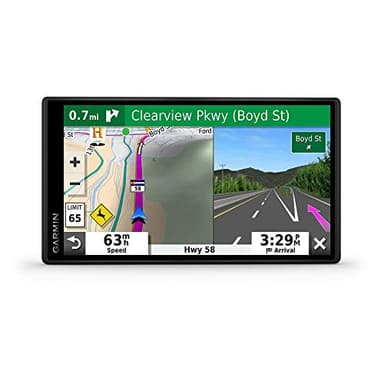
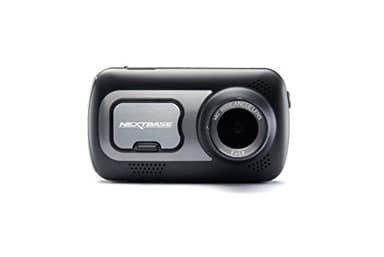
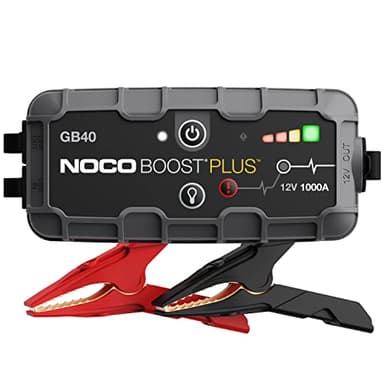
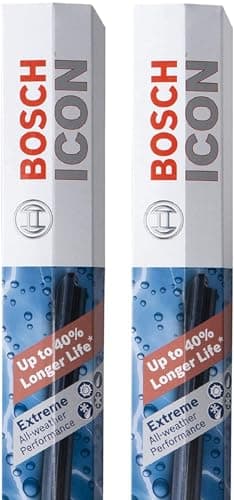
When selecting automotive accessories, consider their primary function and how well they integrate with your vehicle and lifestyle. For diagnostic tools like OBD2 scanners, look for ease of use and comprehensive data reporting. Wiper blades should offer durable construction and effective clearing in various weather conditions. Car care kits should include a range of products for interior and exterior cleaning. GPS navigators benefit from clear displays and up-to-date maps. Dash cams need high-resolution recording and reliable loop recording. Jump starters require sufficient cranking amps and safety features to prevent misuse.
Types and Formats of Automotive Accessories
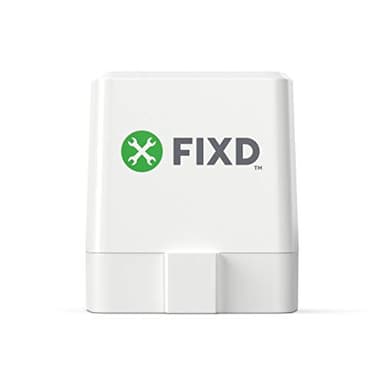
Automotive accessories come in many forms, each serving a specific purpose. Diagnostic tools are often compact devices that connect to your car's OBD2 port, some with Bluetooth for app integration. Wiper blades are typically sold in pairs and designed for specific vehicle makes and models. Car care products are usually available as individual items or bundled into comprehensive kits. GPS navigators can be standalone units or integrated into smartphone apps. Dash cams range from basic front-facing models to dual-camera systems, while jump starters vary in power output and portability, often featuring built-in safety mechanisms.
Sizing and Compatibility
Ensuring compatibility is crucial for many automotive accessories. Wiper blades, for instance, are vehicle-specific in length and attachment type; always check your car's manual or an online fitment guide. OBD2 scanners are universally compatible with most vehicles manufactured after 1996, but some advanced features might be brand-specific. GPS navigators are generally universal, though mounting options can vary. Dash cams often have universal mounts, but consider cable length for power. Jump starters are rated by cranking amps, and you should choose one appropriate for your engine size and vehicle type to ensure effective starting power.
Budget Tiers Explained
Automotive accessories are available across a wide range of price points. Entry-level options often provide basic functionality, suitable for occasional use or simple needs. Mid-range products typically offer enhanced features, better durability, and improved performance, striking a balance between cost and capability. Premium accessories, while more expensive, often boast advanced technology, superior materials, and additional functionalities like smart connectivity or professional-grade performance. Your budget tier should align with how frequently you plan to use the accessory and the level of performance and features you require for your specific automotive needs.
Common Mistakes to Avoid
One common mistake is purchasing accessories without checking compatibility, especially for wiper blades or specialized diagnostic tools. Another error is neglecting to read instructions, which can lead to improper use or damage, particularly with jump starters or complex electronic devices. Overlooking the quality of materials in car care products can result in suboptimal cleaning or even damage to your vehicle's finish. For dash cams, failing to consider storage capacity or loop recording features can mean missing crucial footage. Always prioritize safety features when buying items like jump starters or tire inflators.
Frequently asked questions
How often should I replace my wiper blades?
It's generally recommended to replace wiper blades every six to twelve months, or sooner if you notice streaking, chattering, or missed spots. Harsh weather conditions and frequent use can accelerate wear and tear, making regular inspection important for clear visibility.
Are all OBD2 scanners compatible with every car?
Most OBD2 scanners are universally compatible with gasoline-powered cars and light trucks sold in the U.S. manufactured after 1996. However, some advanced features or manufacturer-specific codes might require a more specialized or brand-specific scanner for full functionality and detailed diagnostics.
What's the difference between car wax and sealant?
Car wax, often carnauba-based, provides a deep shine and some protection, but typically lasts a few weeks. Sealants are synthetic polymers that offer longer-lasting protection, usually several months, and create a more durable barrier against environmental contaminants. Both enhance appearance.
Do I really need a dash cam?
A dash cam can be a valuable investment for documenting incidents on the road, providing evidence in case of an accident, or even capturing interesting events. It offers peace of mind and can be crucial for insurance claims or legal disputes, making it a worthwhile accessory.
How do I choose the right size jump starter?
The right size jump starter depends on your vehicle's engine size. Look for the peak amps or cranking amps rating. A 400-600 amp unit is usually sufficient for most 4-cylinder cars, while larger engines or trucks may require 800 amps or more for reliable starting power.