

How to choose the right baby & kids
Key Features to Look For
When selecting baby and kids products, prioritize safety certifications, especially for items like car seats, strollers, and toys. Look for durable materials that can withstand frequent use and cleaning, as children's items often need to be robust. Ease of cleaning is also crucial; removable, machine-washable fabrics or wipeable surfaces can save a lot of time and effort. Consider portability and storage options for larger items, particularly if you have limited space or travel frequently. Finally, age-appropriateness is vital for developmental toys and gear, ensuring the product supports a child's current stage without being too advanced or too simple.
Types and Formats of Baby & Kids Products
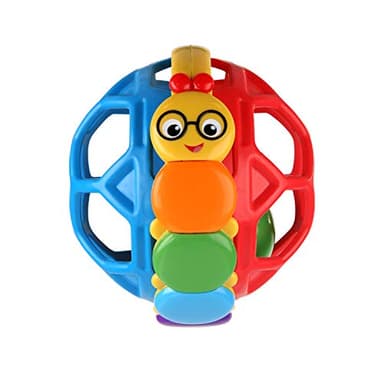
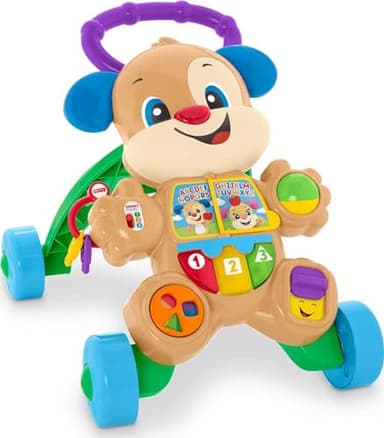
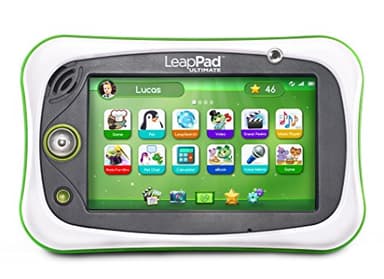
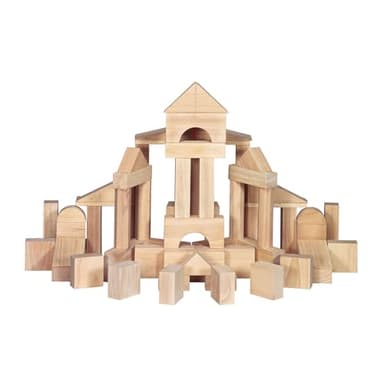
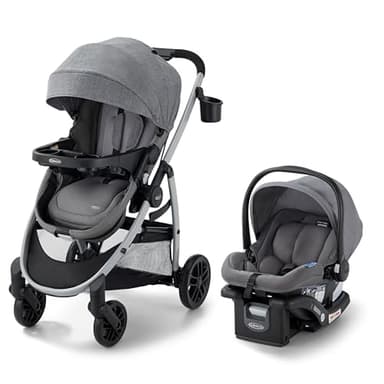
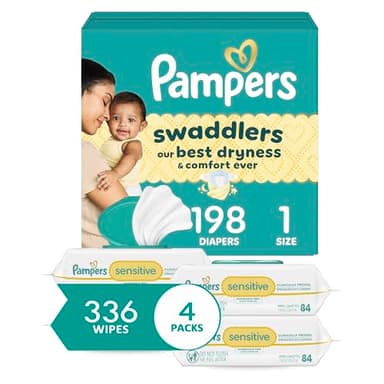
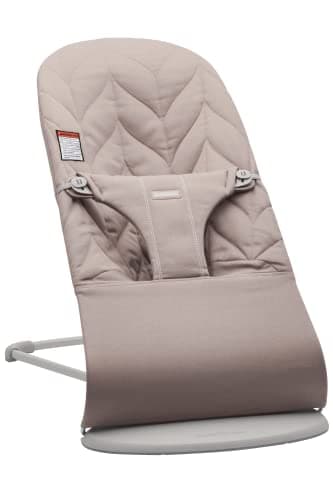
The range of baby and kids products is vast, covering everything from essential care items to developmental toys. For infants, you'll find gear like bouncers and travel systems that combine strollers and car seats for convenience. As children grow, walkers and activity centers support their mobility and learning. Educational toys, such as building blocks and interactive tablets, are designed to stimulate cognitive development and fine motor skills. Diapers are a constant necessity, available in various sizes and absorbencies. Each product type serves a specific purpose, catering to different stages of a child's early life and growth.
Sizing and Compatibility Considerations
Sizing is paramount for many baby and kids products, especially clothing, diapers, and car seats. Always check age and weight limits for gear like bouncers, walkers, and strollers to ensure safety and proper fit. For travel systems, confirm that the car seat is compatible with the stroller base and your vehicle. When buying toys, consider the child's developmental stage; a toy meant for a toddler might be too complex for an infant, and small parts can be a choking hazard for younger children. Reading product specifications carefully will help ensure you choose the right size and compatible items.
Budget Tiers Explained
Baby and kids products are available across a wide range of price points, generally falling into three tiers. Entry-level options often focus on basic functionality and safety, providing essential features without many extras. Mid-range products typically offer enhanced features, improved materials, and sometimes more aesthetic appeal or convenience, like easier folding mechanisms or additional storage. Premium-tier items often boast advanced technology, superior comfort, high-end materials, and extensive features, such as smart connectivity or specialized ergonomic designs. It's important to balance your budget with the features and durability you need, as even entry-level products can be perfectly adequate.
Common Mistakes to Avoid
One common mistake is buying products without checking safety certifications or recalls; always verify that items meet current safety standards. Another error is overbuying, especially for newborns, as babies grow quickly and often receive many gifts. Not considering the product's longevity or multi-stage use can also be a pitfall; some items, like convertible car seats or travel systems, offer better long-term value. Neglecting to read reviews or product descriptions thoroughly can lead to purchasing items that don't meet expectations or aren't suitable for your specific needs. Finally, ignoring assembly requirements or cleaning instructions can lead to frustration or improper use.
Frequently asked questions
What are the essential items for a newborn?
For a newborn, essential items typically include a safe car seat, a crib or bassinet, diapers, wipes, bottles if formula feeding, and basic clothing. A stroller, baby carrier, and a few age-appropriate toys can also be very helpful. Prioritize safety and functionality over an abundance of items.
How often should I replace baby products?
The replacement frequency for baby products varies. Car seats have expiration dates and should be replaced after an accident. Crib mattresses should be firm and replaced if damaged. Toys should be replaced if broken or if small parts become a choking hazard. Always check manufacturer guidelines for specific product longevity.
Are expensive baby products always better?
Not necessarily. While some high-end products offer premium features or materials, many mid-range and even budget-friendly options provide excellent safety and functionality. It's more important to focus on safety certifications, user reviews, and whether the product meets your specific needs and lifestyle rather than just the price tag.
How do I choose the right size diaper?
Diaper sizes are primarily based on a baby's weight, though age can also be a factor. Look for the weight range indicated on the diaper packaging. A properly fitting diaper should be snug around the waist and thighs without leaving red marks, and it should not sag or leak. If you notice leaks, it might be time to size up.
What should I consider when buying toys for different age groups?
When buying toys, consider the child's developmental stage. For infants, look for high-contrast colors, soft textures, and sounds. For toddlers, focus on toys that encourage motor skills and problem-solving, like blocks or simple puzzles. For preschoolers, toys that foster imaginative play and early learning are ideal. Always check for choking hazards for younger children.