
How to choose the right baby monitors
Key Features to Look For
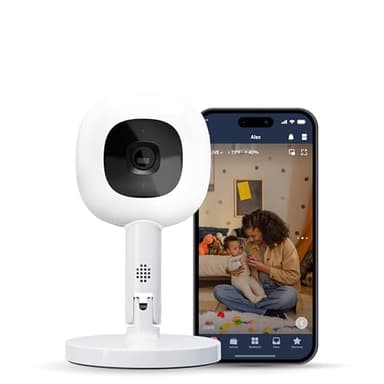
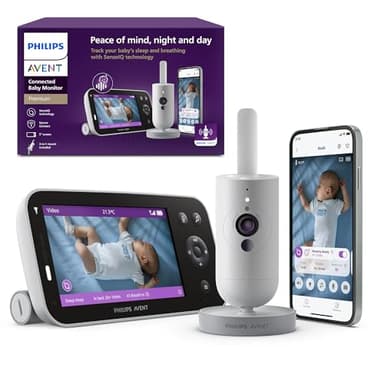
When selecting a baby monitor, consider features that enhance safety and ease of use. Video quality, especially in low light, is crucial for clear viewing. Two-way talk allows you to soothe your baby remotely, while temperature sensors help maintain a comfortable nursery environment. Look for monitors with secure connections to prevent unauthorized access. Battery life for portable parent units is also important for flexibility around the house. Some advanced models offer sleep tracking or breathing insights, providing additional data for concerned parents.
Types of Baby Monitors
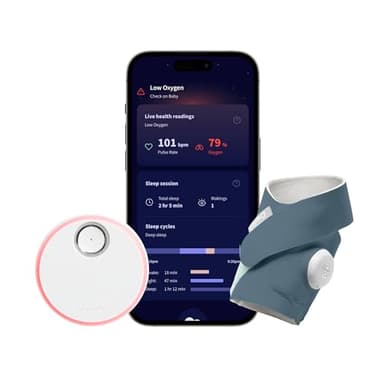
Baby monitors primarily come in a few distinct types. Audio-only monitors are simple and focus solely on sound. Video monitors, the most common, provide a visual feed, often with night vision. Smart monitors connect to Wi-Fi, allowing you to view footage on your smartphone from anywhere, and often include additional features like sleep tracking or environmental sensors. Wearable monitors, like smart socks, track vital signs and provide alerts directly to your phone. Each type offers different levels of monitoring and convenience, so consider what best suits your needs.
Sizing and Compatibility
Baby monitors don't have traditional 'sizing,' but compatibility and placement are key. Ensure the camera can be securely mounted or placed in a position that offers a clear view of the crib. For Wi-Fi monitors, check that your home network is robust enough for reliable streaming. Parent units should be compact and portable if you plan to move around the house. Consider the range of the monitor if you have a larger home or plan to use it outdoors. Always verify that any smart features are compatible with your preferred smartphone operating system.
Understanding Budget Tiers
Baby monitors are available across a wide range of price points, generally reflecting the features and technology included. Entry-level models typically offer basic audio and sometimes video functions with a dedicated parent unit. Mid-range options often include higher resolution video, two-way talk, and potentially some smart features like app connectivity. Premium monitors incorporate advanced smart capabilities, such as sleep analytics, breathing sensors, and comprehensive app control, often with subscription services for full functionality. Your budget should align with the specific features and level of monitoring you prioritize.
Common Mistakes to Avoid
A common mistake is overlooking the security of Wi-Fi monitors; always use strong passwords and secure networks. Another error is placing the camera too close to the crib, which can pose a safety hazard from cords or make the image too zoomed in. Don't forget to test the monitor's range in all areas of your home where you expect to use it. Relying solely on a monitor for safety is also a mistake; always combine technology with regular physical checks. Finally, neglecting to read reviews about signal reliability and battery life can lead to frustration.
Frequently asked questions
Do I need a Wi-Fi baby monitor?
Wi-Fi monitors offer flexibility, allowing you to check on your baby from anywhere using your smartphone. However, they rely on a stable internet connection and can be susceptible to security risks if not properly secured. Non-Wi-Fi monitors offer a closed system for local monitoring.
How important is night vision?
Night vision is very important for monitoring your baby in a darkened room without disturbing their sleep. Most modern video monitors include infrared night vision, which provides a clear black-and-white image, ensuring you can see your baby even in complete darkness.
Can baby monitors interfere with other devices?
Yes, baby monitors, especially older analog models, can sometimes interfere with other wireless devices like cordless phones or Wi-Fi routers. Digital monitors, particularly those using FHSS or DECT technology, are designed to minimize interference and provide a more secure and clear signal.
What is two-way talk and why is it useful?
Two-way talk allows you to speak through the parent unit or app to your baby's nursery. This feature can be incredibly useful for soothing your baby with your voice without entering the room, or for communicating with another caregiver in the nursery.
Are wearable baby monitors safe?
Wearable baby monitors, like smart socks, are generally considered safe for monitoring vital signs. However, they are not medical devices unless specifically FDA-cleared, and should not replace professional medical advice. Always ensure proper fit and placement according to manufacturer guidelines.