
How to choose the right backpacks
Key Features to Look For
When choosing a backpack, consider capacity, measured in liters, to match your typical load. Look for comfortable straps and a padded back panel, especially if you'll be carrying it for extended periods. Organization is crucial; internal and external pockets, laptop sleeves, and water bottle holders can make a big difference. Durability, often indicated by the material (e.g., ripstop nylon, polyester) and quality of zippers, ensures your backpack withstands daily wear and tear. Water resistance can also be important, depending on your intended use, to protect contents from the elements.
Types of Backpacks
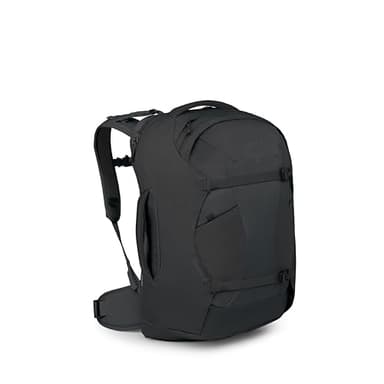
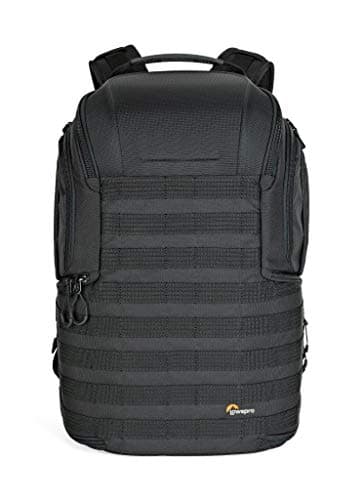
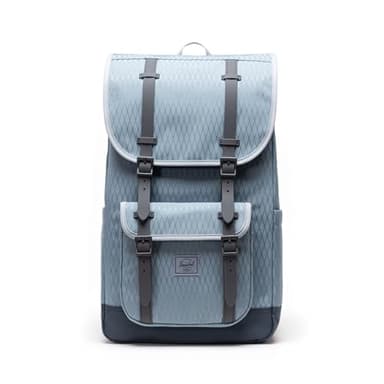
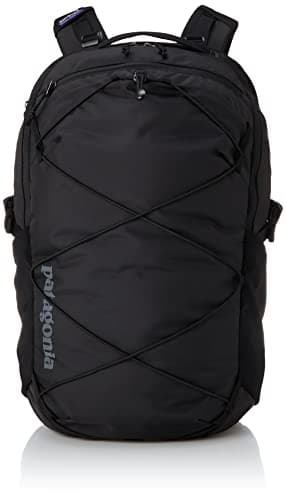
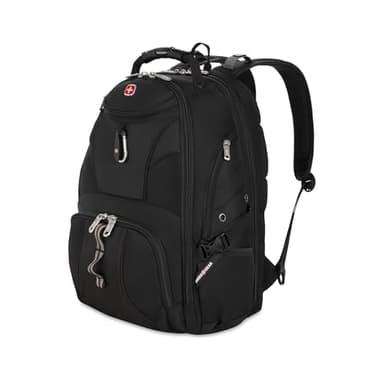
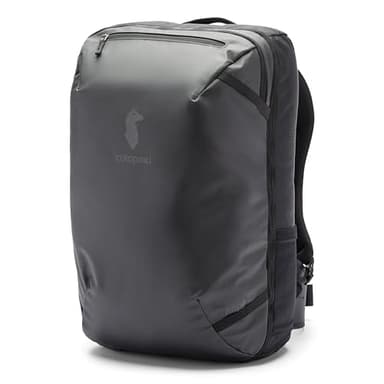
Backpacks come in various types, each designed for specific purposes. Daypacks are generally smaller, ideal for daily commutes, school, or short hikes. Travel packs often feature larger capacities, clamshell openings for easy packing, and sometimes hideaway straps. Laptop backpacks prioritize padded compartments for electronics and organizational pockets for accessories. Camera backpacks are specialized with customizable padded dividers to protect sensitive gear. Hiking backpacks are built for comfort over long distances, often with internal frames, hip belts, and hydration compatibility.
Sizing and Fit
Proper sizing is essential for comfort and weight distribution. While many backpacks are one-size-fits-most, some offer adjustable torso lengths, which is particularly important for larger hiking or travel packs. Consider your body frame and how the backpack sits on your hips and shoulders. For laptop backpacks, ensure the sleeve accommodates your device's screen size. Always check the liter capacity to ensure it's sufficient for what you plan to carry without being excessively bulky for your frame.
Budget Tiers Explained
Backpack prices vary widely based on brand, materials, features, and intended use. Entry-level options typically use simpler designs and basic materials, suitable for light, occasional use. Mid-range backpacks often offer improved durability, better organization, and more comfortable suspension systems, making them good for regular daily use or casual travel. High-end backpacks feature premium materials, advanced ergonomic designs, specialized compartments, and robust construction, ideal for demanding outdoor activities, extensive travel, or professional use where durability and specific features are paramount.
Common Mistakes to Avoid
A common mistake is choosing a backpack based solely on aesthetics without considering its functionality for your needs. Don't underestimate the importance of comfort; an ill-fitting or poorly padded backpack can cause discomfort or pain. Overpacking or underpacking for the backpack's capacity can also lead to issues; too small, and you'll struggle to fit everything; too large, and items will shift excessively. Neglecting to check reviews for common issues like zipper quality or strap durability can also lead to disappointment down the line.
Frequently asked questions
What capacity backpack do I need?
For daily use or short trips, 15-30 liters is usually sufficient. For weekend trips or extended travel, consider 30-50 liters. Multi-day hiking or backpacking often requires 50-70+ liters. Always match the capacity to the volume of items you typically carry.
Are waterproof backpacks necessary?
Truly waterproof backpacks are rare and often expensive. Water-resistant backpacks are usually sufficient for most users, protecting against light rain. If you're in consistently wet environments, consider a backpack with a rain cover or dry bags for internal protection.
How do I clean my backpack?
Most backpacks can be spot cleaned with mild soap and water. For a deeper clean, hand wash in a tub with cool water and a gentle detergent. Avoid machine washing or drying, as this can damage materials and coatings. Always air dry completely.
What's the difference between a daypack and a hiking backpack?
Daypacks are smaller and simpler, designed for carrying essentials for a single day. Hiking backpacks are larger, often have internal frames, padded hip belts, and more advanced suspension systems to comfortably carry heavier loads over longer distances.
Can I use a travel backpack as a carry-on?
Many travel backpacks are specifically designed to meet airline carry-on dimensions, typically around 40 liters or less. Always check your specific airline's size restrictions before flying, as these can vary, especially for international flights.