
How to choose the right blenders
Key Features to Look For
When selecting a blender, consider motor power, often measured in watts or horsepower, as it indicates how well it can handle tough ingredients like ice or frozen fruit. Blade design and material are also crucial; stainless steel blades are common and durable. Look for variable speed settings and pre-programmed functions, which offer versatility for different tasks, from crushing ice to making smooth purees. Jar material, such as glass or BPA-free plastic, impacts durability and ease of cleaning. Finally, consider the controls – whether they are simple dials, buttons, or touchpads – for user-friendliness and maintenance.
Types and Formats of Blenders
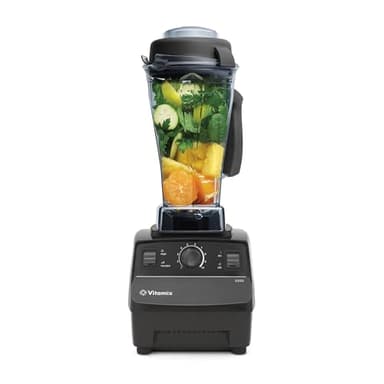
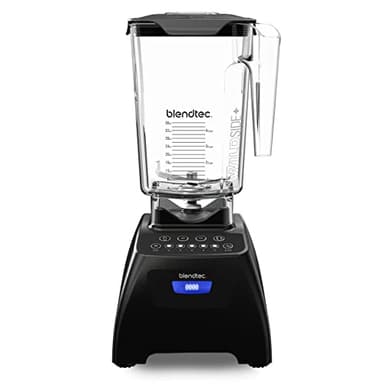
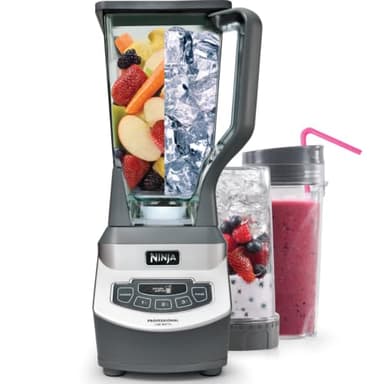
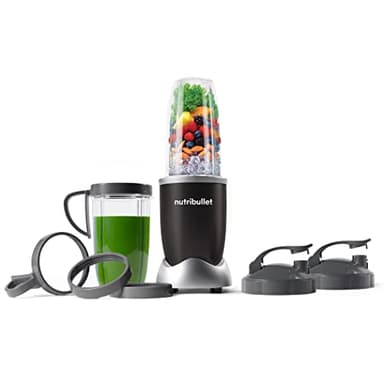
Blenders come in several main types, each suited for different uses. Countertop blenders are the most common, featuring a large pitcher and powerful motor, ideal for family-sized batches of smoothies, soups, and sauces. Personal blenders are compact, designed for single servings, and often come with travel cups that double as blending jars, perfect for on-the-go lifestyles. Immersion blenders, also known as stick blenders, are handheld devices used directly in pots or bowls for tasks like pureeing soups or making mayonnaise. High-performance blenders offer superior power and durability, excelling at pulverizing tough ingredients and creating ultra-smooth textures.
Sizing and Capacity Considerations
Blender capacity is measured by the volume of their jars, typically in ounces or liters. For individuals or couples making single servings of smoothies, a personal blender with a capacity of 16-24 ounces is usually sufficient. Small families or those who regularly prepare medium batches of food might prefer a countertop blender with a 48-64 ounce jar. Larger families, entertainers, or those who frequently make big batches of soups or batters should look for blenders with capacities of 64 ounces or more. Also, consider the overall footprint of the blender on your counter, especially if kitchen space is limited.
Understanding Budget Tiers
Blenders are available across a wide price spectrum, generally falling into three tiers. Entry-level blenders are typically more basic, with fewer features and lower motor power, suitable for occasional light use like simple smoothies. Mid-range blenders offer a good balance of power, features, and durability, often including variable speeds and sturdier construction, making them a solid choice for regular home use. High-end blenders are characterized by very powerful motors, advanced features like pre-set programs and smart technology, premium materials, and exceptional durability, designed for heavy-duty tasks and frequent use, often by serious home cooks or those seeking professional-grade performance.
Common Blender Buying Mistakes
One common mistake is underestimating the power needed, leading to frustration when the blender struggles with ice or frozen fruit. Another error is overlooking jar material and construction; a flimsy jar can crack or scratch easily. Many buyers also neglect to consider ease of cleaning, which can make daily use a chore if parts aren't dishwasher-safe or easily disassembled. Not matching the blender type to your primary use, such as buying a large countertop model for single-serve smoothies, is another pitfall. Finally, ignoring counter space can lead to purchasing a blender that's too tall or wide for your kitchen.
Frequently asked questions
What's the difference between watts and horsepower in blenders?
Both watts and horsepower measure motor power. Generally, higher numbers indicate a more powerful motor capable of blending tougher ingredients like ice or frozen fruits more easily. For most home users, a blender with at least 500-700 watts is a good starting point, while high-performance models often exceed 1000 watts or 1.5 horsepower.
Can I put hot liquids in any blender?
Not all blenders are designed for hot liquids. Blending hot liquids in a sealed container can create pressure, potentially causing the lid to pop off or even cracking the jar. Always check the manufacturer's instructions. Many high-performance blenders have vented lids specifically for blending hot ingredients like soups, but caution is always advised.
How do I clean my blender effectively?
For most blenders, a quick clean involves filling the jar halfway with warm water and a drop of dish soap, then running it on high for 30-60 seconds. Rinse thoroughly. For deeper cleaning, disassemble removable parts and wash them by hand or in the dishwasher if they are dishwasher-safe. Always unplug the blender before cleaning the base.
Is a glass or plastic blender jar better?
Both materials have pros and cons. Glass jars are heavier, more scratch-resistant, and don't absorb odors or stains, but they can break if dropped. Plastic jars (often BPA-free Tritan) are lighter, more shatter-resistant, and easier to handle, but they may scratch over time or absorb strong odors if not cleaned promptly. Your preference depends on durability and weight.
What are pre-programmed settings for?
Pre-programmed settings are automated cycles designed for specific tasks, like smoothies, ice crushing, or pureeing. They adjust speed and duration automatically to achieve optimal results for that particular function. This can simplify blending and ensure consistent outcomes, especially for common recipes, without needing to manually adjust settings.