


How to choose the right camping tents
Key Features to Look For
When selecting a camping tent, consider its seasonality rating, which indicates the conditions it's designed for (e.g., 3-season for spring, summer, fall; 4-season for winter). Pay attention to material durability and waterproofing, especially for the rainfly and floor. Ventilation is vital to prevent condensation, so look for mesh panels and adjustable vents. Ease of setup is another important factor, particularly for larger tents or if you'll be setting up in challenging conditions. Finally, check the packed size and weight, especially if you plan on backpacking or have limited storage space.
Types of Camping Tents
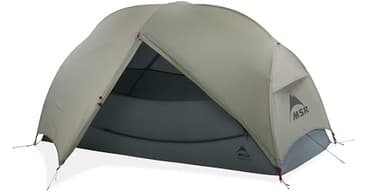
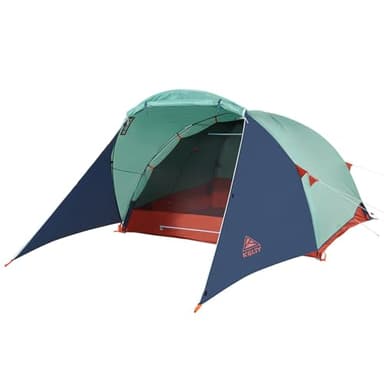
Camping tents come in several main types. Backpacking tents prioritize lightweight design and compact packed size, often sacrificing some interior space. Car camping tents, on the other hand, offer more room, taller ceilings, and often multiple rooms, as weight and size are less of a concern. Instant or pop-up tents are designed for quick and easy setup, ideal for casual campers. Cabin tents provide maximum interior space and stand-up height, often resembling small rooms. Finally, specialized tents like canvas tents offer superior durability and insulation, though they are heavier and require more maintenance.
Sizing and Capacity
Tent capacity is usually listed by the number of people it can theoretically sleep. However, it's often wise to size up, especially if you want extra room for gear, pets, or just more comfort. A '2-person' tent might be snug for two adults with gear, while a '4-person' tent could be comfortable for two adults and a child. Consider the floor dimensions and peak height to ensure you can sit up or stand comfortably. Also, think about vestibule space, which provides sheltered storage for muddy boots and packs outside the main sleeping area.
Budget Tiers Explained
Camping tent prices vary significantly based on materials, features, and brand. Entry-level tents offer basic shelter and are suitable for occasional, fair-weather camping. Mid-range tents provide improved durability, better weather protection, and more thoughtful features like multiple doors or enhanced ventilation, making them a good balance for regular campers. High-end tents use premium lightweight materials, advanced designs, and offer superior performance in challenging conditions, catering to serious backpackers or those needing extreme weather reliability. Focus on value for your specific camping style rather than just the lowest price.
Common Mistakes to Avoid
One common mistake is underestimating the importance of a good rainfly; a full-coverage rainfly offers much better protection than a small cap. Another error is neglecting to practice setting up your tent before your trip, especially if it's a new model. Overpacking or choosing a tent that's too small for your group and gear can lead to discomfort. Forgetting a ground tarp or footprint is also a common oversight, as it protects the tent floor from abrasion and moisture. Finally, not properly staking down your tent can result in it collapsing or blowing away in strong winds.
Frequently asked questions
What does '3-season tent' mean?
A 3-season tent is designed for use in spring, summer, and fall. It offers good ventilation for warm weather and protection from rain and moderate wind. It's not typically built for heavy snow loads or extreme cold, making it versatile for most general camping trips.
Do I need a tent footprint?
While not always strictly necessary, a tent footprint (or ground tarp) is highly recommended. It provides an extra layer of protection for your tent's floor against abrasion from rocks and twigs, and helps keep moisture from seeping through, extending the life of your tent.
How do I clean and store my tent?
After each trip, clean your tent by wiping it down with a damp cloth and mild soap if needed. Ensure it is completely dry before packing it away to prevent mold and mildew. Store it loosely in a breathable bag, not tightly stuffed, in a cool, dry place away from direct sunlight.
What's the difference between a backpacking and a car camping tent?
Backpacking tents prioritize lightweight materials and compact packed size for easy carrying on foot, often sacrificing some interior space. Car camping tents, conversely, are heavier and bulkier but offer more spacious interiors, taller ceilings, and often more features since weight isn't a primary concern.
How do I prevent condensation inside my tent?
Condensation is common and can be reduced by ensuring good ventilation. Keep tent vents open, and if possible, slightly open doors or windows. Avoid cooking inside your tent, and try to store wet gear in a vestibule rather than inside the main sleeping area to minimize moisture buildup.