
How to choose the right coffee makers
Key Features to Look For
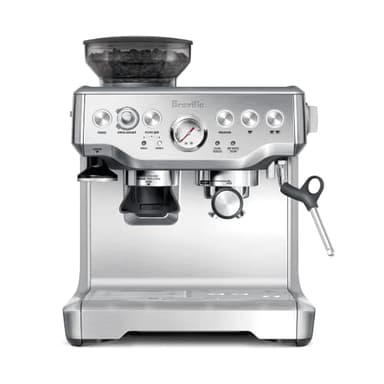
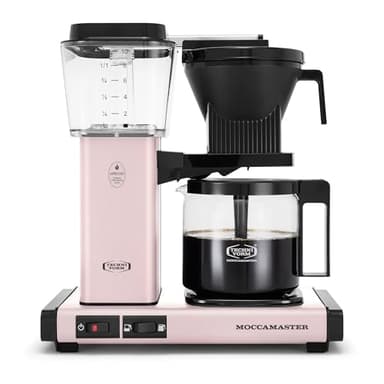
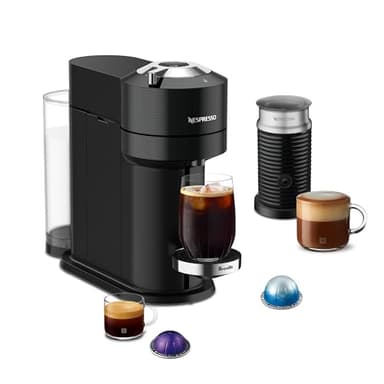
When choosing a coffee maker, consider features like brew strength control, programmable timers, and automatic shut-off for convenience and safety. A water filter can improve taste and extend the life of your machine. For drip coffee makers, look for showerhead designs that evenly saturate coffee grounds. Espresso machines often include milk frothing wands for lattes and cappuccinos. Single-serve machines offer speed and variety with pod systems. Capacity is also important; decide if you need a single cup or a full pot. Material quality, such as stainless steel or durable plastic, can impact longevity and aesthetics.
Types and Formats of Coffee Makers
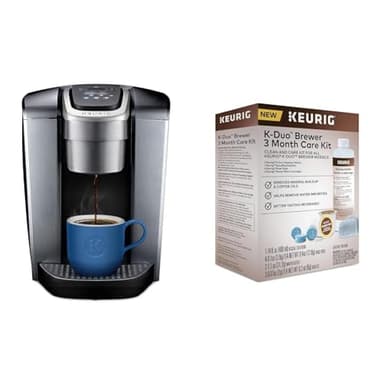
Coffee makers come in several primary types, each offering a distinct brewing experience. Drip coffee makers are popular for their ease of use and ability to brew larger quantities. Espresso machines are designed for concentrated coffee shots, often with steam wands for milk-based drinks. Single-serve pod machines provide quick, convenient individual cups with minimal cleanup. Pour-over brewers offer a hands-on method for a clean, nuanced cup. French presses steep coffee for a rich, full-bodied brew. Aeropress devices are versatile, capable of making espresso-style shots or Americano-like coffee, often favored for travel.
Sizing and Compatibility Considerations
Consider the physical size of the coffee maker relative to your counter space. Espresso machines and larger drip brewers can take up significant room, while single-serve and pour-over options are often more compact. For pod-based systems, check compatibility with specific pod brands or types. Some machines are designed for specific grind sizes or coffee quantities, which can influence your grinder choice or coffee bean selection. If you have a small kitchen or plan to travel, portability will be a key factor. Ensure the water reservoir capacity matches your daily consumption needs.
Understanding Budget Tiers
Coffee maker prices vary widely, reflecting differences in features, build quality, and brewing technology. Entry-level models typically offer basic functionality, such as on/off switches and simple carafe systems, suitable for occasional use. Mid-range options often include programmable timers, brew strength settings, and better materials, providing a balance of features and durability. High-end machines, particularly espresso makers or specialty brewers, boast advanced controls, premium construction, and precise temperature regulation for optimal extraction, catering to serious coffee enthusiasts. Your budget should align with your desired features and frequency of use.
Common Mistakes to Avoid
A common mistake is neglecting to clean your coffee maker regularly, which can lead to mineral buildup and affect taste. Using pre-ground coffee that's too old or the wrong grind size for your machine can also result in a poor brew. Overfilling or underfilling the water reservoir can impact coffee strength. Forgetting to preheat your equipment, especially for espresso or pour-over, can lead to a less flavorful cup. Lastly, not considering your daily coffee habits – whether you need a quick single cup or a full pot for multiple people – can lead to buying a machine that doesn't fit your lifestyle.
Frequently asked questions
How often should I clean my coffee maker?
It's recommended to rinse removable parts daily and deep clean or descale your coffee maker at least once a month. Regular cleaning prevents mineral buildup and ensures your coffee tastes fresh and delicious. Refer to your specific model's manual for detailed cleaning instructions and recommended descaling solutions.
What's the difference between drip and pour-over coffee?
Drip coffee makers automate the brewing process, while pour-over requires manual pouring of hot water over grounds. Pour-over offers more control over extraction and often results in a cleaner, more nuanced cup, whereas drip is convenient for brewing larger quantities with less effort.
Can I use any coffee grounds in a single-serve machine?
Most single-serve machines are designed to work with specific pods or capsules from the same brand or compatible manufacturers. Some models offer reusable pods that can be filled with your own ground coffee, providing more flexibility and reducing waste. Always check your machine's specifications.
Is a built-in grinder necessary for good coffee?
While not strictly necessary, a built-in grinder ensures you're using freshly ground beans, which significantly impacts coffee flavor and aroma. Grinding beans just before brewing preserves volatile compounds that contribute to a richer, more vibrant cup. If your machine doesn't have one, a separate grinder is a worthwhile investment.
How do I choose the right coffee maker capacity?
Consider how many people drink coffee in your household and how much coffee you consume daily. Single-serve machines are ideal for one person or occasional use. A 4-6 cup machine suits small households, while a 10-12 cup model is better for families or entertaining. Match the capacity to your typical brewing needs.