


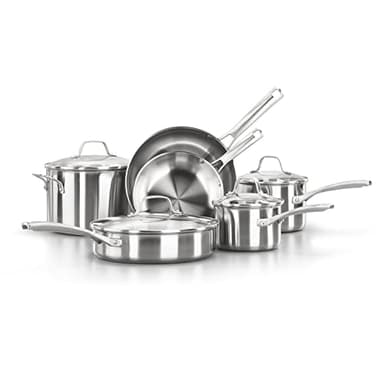
How to choose the right cookware sets
Key Features to Look For
When selecting a cookware set, consider the material, as it dictates heat distribution, durability, and maintenance. Stainless steel is versatile and durable, while nonstick coatings offer easy food release. Look for comfortable, heat-resistant handles and secure lids that fit well. Oven-safe capabilities are also important for many recipes. Dishwasher-safe properties can simplify cleanup, though hand washing often extends the life of certain finishes. The number and type of pieces included should match your cooking habits, ensuring you have the right tools for your most common dishes.
Types and Materials of Cookware Sets
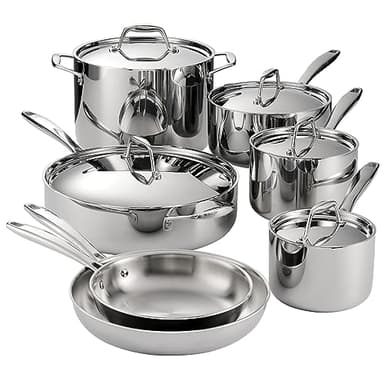
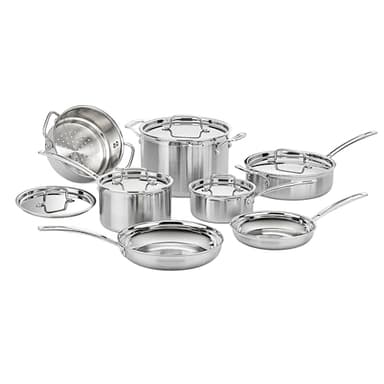
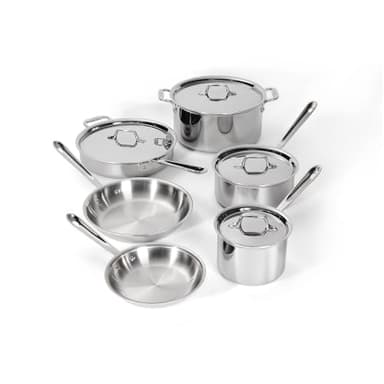
Cookware sets come in various materials, each with distinct advantages. Stainless steel sets are known for their durability, even heating, and non-reactive surface, making them suitable for a wide range of cooking tasks. Nonstick sets, often made with aluminum cores and a nonstick coating, excel at delicate foods and easy cleanup. Ceramic nonstick offers an alternative to traditional nonstick. Hard-anodized aluminum provides excellent heat conductivity and a durable, non-reactive surface. Hybrid sets combine materials, such as stainless steel with a nonstick interior, to offer benefits of both.
Sizing and Compatibility
Consider the size of your household and your typical cooking volume when choosing a set. A 7-piece set might be sufficient for a single person or small family, while a 10-piece or 12-piece set offers more versatility for larger families or frequent entertainers. Ensure the cookware is compatible with your stovetop type; induction cooktops require magnetic materials, typically stainless steel or cast iron. Check the dimensions of larger pots and pans to ensure they fit comfortably on your burners and in your storage spaces.
Budget Tiers Explained
Cookware sets are available across a wide range of price points, generally reflecting the materials, construction quality, and brand reputation. Entry-level sets often feature aluminum with basic nonstick coatings, suitable for occasional use or those new to cooking. Mid-range sets typically offer more durable stainless steel or hard-anodized aluminum, often with better heat distribution and more robust nonstick surfaces. High-end sets use premium materials like multi-ply stainless steel or advanced hybrid designs, offering superior performance, durability, and often a longer warranty.
Common Mistakes to Avoid
One common mistake is buying a set with too many unnecessary pieces, leading to clutter. Another is neglecting to check for stovetop compatibility, especially for induction cooking. Overlooking handle comfort and heat resistance can lead to discomfort during use. Not considering the care requirements, such as whether a set is dishwasher safe or requires hand washing, can lead to premature wear. Finally, choosing a set based solely on price without considering material quality and durability often results in needing to replace the set sooner than expected.
Frequently asked questions
What's the difference between stainless steel and nonstick cookware?
Stainless steel is highly durable, non-reactive, and excellent for searing and browning, but food can stick. Nonstick cookware, often aluminum with a coating, prevents food from sticking and is easier to clean, ideal for delicate foods like eggs.
How many pieces do I really need in a cookware set?
The ideal number depends on your cooking habits and household size. A 7-piece set (two saucepans, a stockpot, and a skillet with lids) is often sufficient for most. Larger families or frequent entertainers might prefer 10-12 pieces for more versatility.
Can I use all cookware sets on an induction stovetop?
No, only cookware with a magnetic base will work on induction stovetops. This typically includes cast iron and many stainless steel sets. Always check the product specifications for induction compatibility before purchasing.
How do I properly care for my cookware set?
Care varies by material. Nonstick pans often require hand washing and avoiding metal utensils to protect the coating. Stainless steel is generally more durable and often dishwasher safe, but hand washing can preserve its finish. Always follow manufacturer guidelines.
Is it worth investing in an expensive cookware set?
Higher-priced sets often feature superior materials, construction, and heat distribution, leading to better cooking results and greater durability. While not always necessary for casual cooks, an investment can be worthwhile for frequent cooks seeking long-term performance and reliability.