



How to choose the right coolers
Key Features to Look For
When selecting a cooler, insulation performance is paramount; look for models that specify ice retention times, as this indicates how long contents will stay cold. Durability is another critical factor, especially for outdoor use, so consider materials like rotomolded plastic for hard-sided coolers or reinforced fabrics for soft-sided options. Portability features such as wheels, comfortable handles, and lightweight designs can significantly impact ease of transport. Also, evaluate the latching system for security and ease of use, and check for useful extras like built-in bottle openers, cup holders, or dry storage compartments that can enhance your experience.
Types and Formats of Coolers
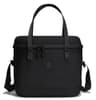
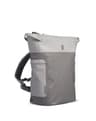
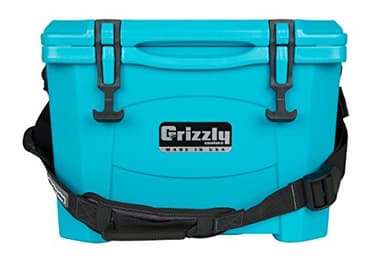
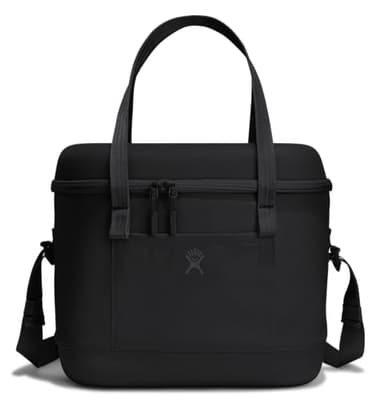
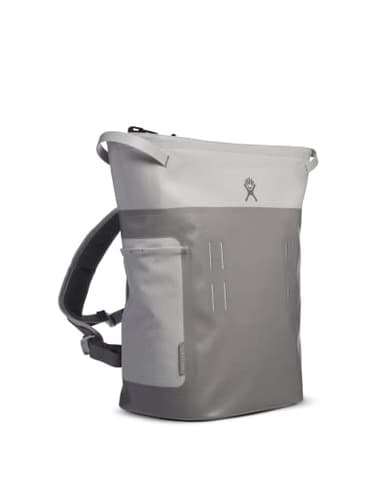
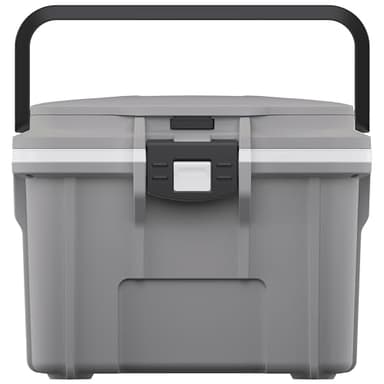
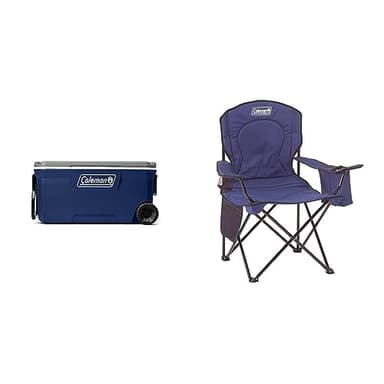
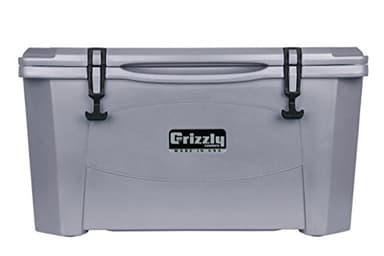
Coolers primarily come in two main types: hard-sided and soft-sided. Hard-sided coolers, often made from durable plastics, excel at long-term ice retention and offer robust protection for contents, making them ideal for camping, boating, or extended trips. They range from small personal sizes to large chest models. Soft-sided coolers, typically made from insulated fabrics, are lighter, more flexible, and easier to carry, making them suitable for picnics, beach days, or daily lunch transport. Within these categories, you'll also find specialized formats like wheeled coolers for easy transport over distances, and backpack coolers for hands-free carrying, each designed for specific user needs and activities.
Sizing and Capacity Explained
Cooler capacity is typically measured in quarts or liters, and choosing the right size depends on your intended use and the number of people you're serving. A small personal cooler (around 8-15 quarts) is perfect for a single person's lunch or a few drinks. Medium-sized coolers (20-45 quarts) are versatile for day trips, picnics, or small gatherings, holding enough for a few people. Large coolers (50 quarts and up) are best for extended camping trips, large parties, or when you need to store a significant amount of food and beverages for many people. Always consider not just the volume, but also the external dimensions to ensure it fits in your vehicle or storage space.
Understanding Budget Tiers
Coolers are available across a wide range of price points, generally correlating with their features and performance. Entry-level coolers typically offer basic insulation and construction, suitable for short outings or occasional use where extreme ice retention isn't critical. Mid-range coolers often provide improved insulation, more durable materials, and some convenience features like better latches or handles, balancing performance with cost. Premium coolers, often featuring rotomolded construction and advanced insulation technologies, deliver superior ice retention and rugged durability, designed for demanding outdoor conditions and extended trips. Your budget should align with how frequently and intensely you plan to use the cooler.
Common Cooler Buying Mistakes
One common mistake is underestimating the required capacity; it's better to have a little extra space than not enough, especially if you plan to add ice. Another error is overlooking portability features; a large cooler without wheels or comfortable handles can be a burden. Many buyers also neglect to consider the cooler's weight when empty, which adds to the total load when full. Lastly, focusing solely on price without considering insulation performance can lead to disappointment, as cheaper coolers may not keep contents cold for as long as needed, ultimately failing to meet expectations for longer events or hotter climates.
Frequently asked questions
How long do coolers keep ice?
Ice retention varies significantly by cooler type and quality. Basic coolers might keep ice for a day, while high-performance rotomolded coolers can maintain ice for several days, sometimes up to a week, depending on ambient temperature and how often the lid is opened.
What is rotomolded construction?
Rotomolded construction refers to a manufacturing process where plastic is rotationally molded into a single, seamless piece. This results in extremely durable, impact-resistant coolers with superior insulation capabilities due to consistent wall thickness and no weak points.
Can I use dry ice in any cooler?
Not all coolers are suitable for dry ice. Dry ice is extremely cold and can damage certain plastics or seals. Always check the manufacturer's recommendations; many high-end rotomolded coolers are designed to safely accommodate dry ice, but it's crucial to verify.
How do I clean my cooler?
For most coolers, a simple wash with warm water and mild soap is sufficient. For stubborn stains or odors, a mixture of baking soda and water can be effective. Always rinse thoroughly and allow the cooler to air dry completely with the lid open to prevent mildew.
What's the best way to maximize ice retention?
Pre-chill your cooler with ice or ice packs before loading it. Use block ice instead of cubes for longer melt times. Pack the cooler as full as possible with minimal air space, and try to open it as infrequently as possible. Keep it in the shade if outdoors.