

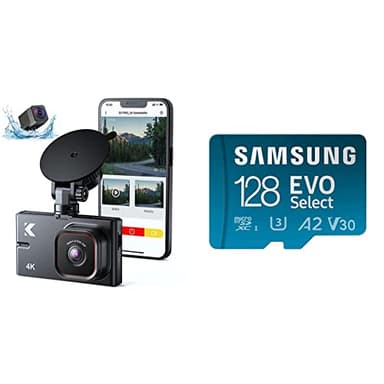
How to choose the right dash cams
Key Features to Look For
When selecting a dash cam, consider video resolution, with 1080p as a minimum and 4K offering superior detail, especially for license plates. Look for a wide field of view (140-170 degrees) to capture more of the road. Night vision capabilities are crucial for clear footage in low-light conditions. Features like G-sensor (for incident detection and locking footage), loop recording (to prevent memory card overflow), and parking mode (for surveillance when parked) add significant value. GPS logging can provide location and speed data, which is useful for insurance claims.
Types and Formats of Dash Cams
Dash cams come in several configurations. Single-channel cameras record only the front view. Dual-channel systems include a front camera and a rear camera, offering comprehensive coverage of both ends of your vehicle. Some dual-channel setups might also have an interior camera, which is particularly useful for rideshare drivers. Three-channel dash cams typically record front, rear, and interior views simultaneously. Form factors vary, from discreet, compact designs that mount behind the rearview mirror to larger units with integrated screens. Consider your vehicle's interior and your desired level of visibility when choosing a type.
Sizing and Compatibility
Dash cam size primarily affects how discreetly it can be installed and whether it obstructs your view. Smaller cameras are generally preferred for less distraction. Compatibility mostly revolves around power. Most dash cams use a 12V power outlet (cigarette lighter socket) in your car. Some advanced models might offer hardwiring kits for a cleaner installation and continuous power for parking mode, which requires professional installation or some DIY expertise. Ensure the camera's mounting system (suction cup or adhesive) is suitable for your windshield and that cable length is sufficient for routing.
Understanding Budget Tiers
Dash cam prices generally fall into entry-level, mid-range, and premium tiers. Entry-level models typically offer basic 1080p recording with essential features like loop recording and a G-sensor. Mid-range dash cams often introduce higher resolutions (like 2K or basic 4K), dual-channel options, improved night vision, and more advanced parking modes. Premium dash cams feature top-tier 4K resolution, three-channel recording, advanced connectivity (Wi-Fi, cloud storage), integrated GPS, and superior build quality. Your budget should align with the features and recording quality most important for your specific use case.
Common Mistakes to Avoid
A common mistake is buying a dash cam without sufficient storage; ensure you have an adequately sized, high-endurance SD card. Neglecting proper installation can lead to poor video angles or the camera falling off. Don't forget to regularly check that the camera is recording and that the lens is clean. Overlooking night vision capabilities can result in unusable footage in low-light conditions. Finally, ignoring parking mode features means missing out on potential incident recording when your vehicle is unattended. Always review the camera's settings and test its functionality after installation.
Frequently asked questions
Do dash cams record all the time?
Most dash cams use loop recording, continuously recording over the oldest footage once the memory card is full. They typically start recording automatically when you start your car. Many also offer a parking mode feature that records when the car is off, often triggered by motion or impact.
How long does dash cam footage last?
The duration of footage depends on the memory card size, recording resolution, and whether the camera has a parking mode. A 64GB card might hold several hours of 1080p footage before loop recording overwrites it. Higher resolutions or more cameras reduce recording time.
Is a dash cam easy to install?
Basic dash cam installation is generally straightforward, involving mounting it to the windshield and plugging it into a 12V power outlet. Hardwiring for continuous power or a cleaner look can be more complex and may require professional assistance or some DIY skills.
Do dash cams work in the dark?
Many modern dash cams feature enhanced night vision capabilities, using larger apertures, advanced sensors, or infrared lights to capture clear video in low-light conditions. However, the quality of night recording can vary significantly between models.
Can dash cam footage be used as evidence?
Yes, dash cam footage is widely accepted as evidence in insurance claims and legal proceedings. It can provide an unbiased account of an incident, helping to determine fault and protect you from fraudulent claims. Ensure your footage is clearly timestamped and ideally includes GPS data.