

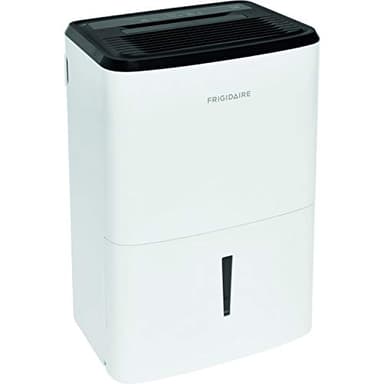
How to choose the right dehumidifiers
Key Features to Look For
When selecting a dehumidifier, consider its capacity, measured in pints per day, which indicates how much moisture it can remove. Look for models with a built-in humidistat, allowing you to set a target humidity level, and an automatic shut-off feature for when the water tank is full. Continuous drainage options, often via a hose connection, can save you from frequently emptying the reservoir. Energy Star certification is also important, as it signifies greater energy efficiency, potentially saving on electricity costs over time. Noise level can be a factor, especially if the unit will be in a living area or bedroom.
Types and Formats
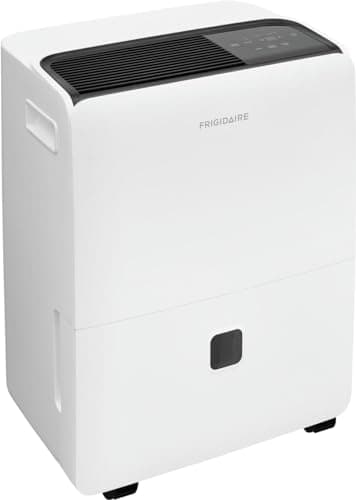
Dehumidifiers primarily come in two main types: compressor-based and desiccant. Compressor dehumidifiers are the most common, working by drawing air over a cold coil to condense moisture, similar to a refrigerator. They are generally more effective in warmer, humid conditions. Desiccant dehumidifiers use a moisture-absorbing material and are often preferred in cooler environments, as their performance is less affected by low temperatures. Portable dehumidifiers are the most common format for home use, designed to be easily moved between rooms, while whole-house systems can be integrated into your HVAC for comprehensive humidity control.
Sizing and Coverage Area
Choosing the correct size dehumidifier is crucial for effective moisture removal. Dehumidifier capacity is typically rated in pints per day, referring to the amount of moisture it can remove in 24 hours. The appropriate capacity depends on the size of your space (in square feet) and the level of humidity. For example, a small, slightly damp room might need a 20-30 pint unit, while a large, very wet basement could require a 50-70 pint model or more. Always check the manufacturer's recommendations for square footage coverage to ensure optimal performance for your specific room or area.
Budget Tiers Explained
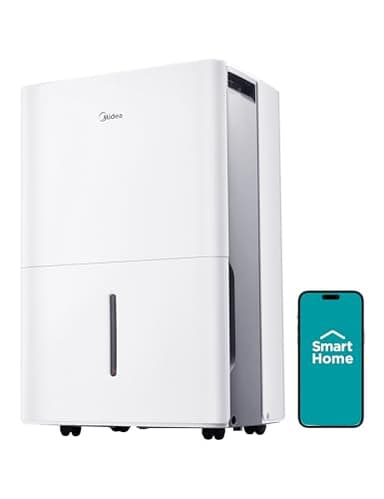
Dehumidifiers are available across a range of price points, generally correlating with their capacity, features, and brand. Entry-level models typically offer smaller capacities suitable for single rooms or closets, with basic features like manual controls and smaller water tanks. Mid-range dehumidifiers provide increased capacity for larger spaces, often including digital controls, humidistats, and continuous drainage options. High-end units boast the largest capacities, advanced features like smart home connectivity, more robust construction, and quieter operation, making them suitable for very damp basements or whole-house solutions. Consider your specific needs and the area to be treated when setting your budget.
Common Mistakes to Avoid
One common mistake is purchasing a dehumidifier that is too small for the space, leading to inefficient operation and continued high humidity. Conversely, an oversized unit can cycle on and off too frequently, wasting energy. Another error is neglecting regular maintenance, such as cleaning the air filter and emptying the water tank, which can reduce efficiency and shorten the unit's lifespan. Placing the dehumidifier against a wall or in an enclosed space can restrict airflow, hindering its performance. Finally, not setting the desired humidity level correctly can lead to either insufficient moisture removal or excessively dry air.
Frequently asked questions
How do I know what size dehumidifier I need?
Determine the square footage of the area you want to dehumidify and assess how damp it typically is. A slightly damp 500 sq ft room might need a 30-pint unit, while a very wet 1500 sq ft basement could require a 70-pint or larger model. Always check the manufacturer's recommendations.
Where is the best place to put a dehumidifier?
Place your dehumidifier in the center of the dampest room or area, away from walls and furniture to allow for optimal airflow. Avoid placing it near vents, doors, or windows, as this can reduce its efficiency. Basements, laundry rooms, and bathrooms are common locations.
How often should I empty the water tank?
The frequency depends on the dehumidifier's capacity and the humidity level in your space. In very humid conditions, you might need to empty it daily. Many models offer a continuous drainage option with a hose, eliminating the need for manual emptying.
Do dehumidifiers use a lot of electricity?
Dehumidifiers do consume electricity, but Energy Star certified models are designed to be more efficient. The actual consumption depends on the unit's capacity, how often it runs, and your local electricity rates. Proper sizing and maintenance can help minimize energy usage.
Can a dehumidifier help with mold and mildew?
Yes, by reducing excess moisture in the air, a dehumidifier creates an environment less hospitable for mold and mildew growth. It won't remove existing mold, but it can prevent new growth and eliminate the musty odors associated with high humidity.