
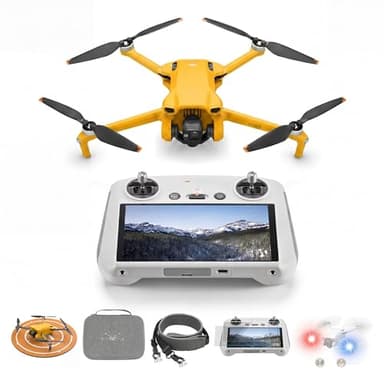
How to choose the right drones
Key Features to Look For
When selecting a drone, consider camera quality, flight time, and transmission range. A high-resolution camera, often 4K or higher, is crucial for stunning aerial photos and videos. Longer flight times, typically 20-30 minutes or more, allow for extended creative sessions. Reliable transmission range ensures a stable connection between the controller and the drone, preventing signal loss. Other important features include GPS for stable hovering and return-to-home functions, obstacle avoidance sensors for safer flights, and intelligent flight modes that automate complex maneuvers, making them easier for pilots of all skill levels.
Types and Formats of Drones
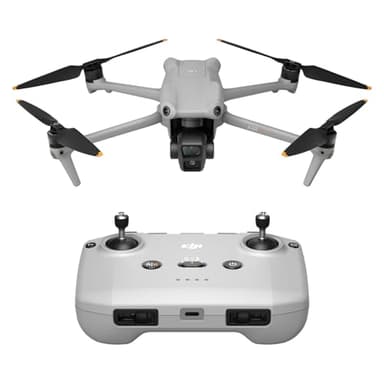
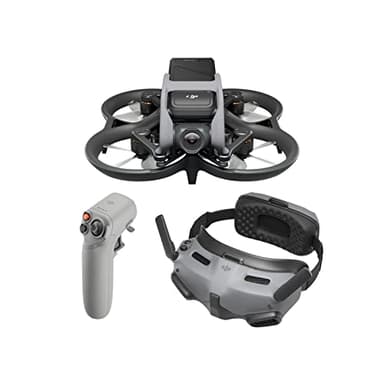
Drones come in several types, each suited for different purposes. Recreational drones are user-friendly and great for beginners, often featuring simpler controls and decent cameras for casual use. Photography and videography drones, like many DJI models, prioritize camera quality, stability, and advanced flight features for professional-grade content creation. FPV (First-Person View) drones offer an immersive flying experience, often used for racing or cinematic freestyle flying, requiring more piloting skill. Enterprise or commercial drones are designed for specific tasks such as surveying, inspection, or delivery, boasting robust build quality and specialized payloads for industrial applications.
Sizing and Compatibility
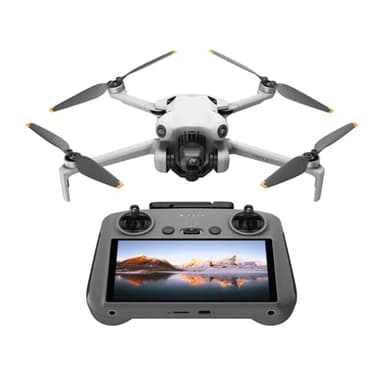
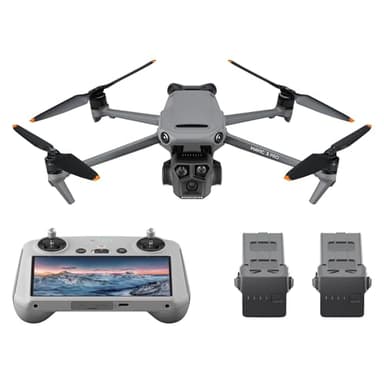
Drone size can impact portability, flight stability, and legal restrictions. Mini drones are highly portable and often fall under lighter regulatory categories, making them ideal for travel and casual use. Larger drones typically offer greater stability in windy conditions and can carry more advanced cameras or payloads, but may require more stringent registration. Compatibility often refers to the drone's controller and app. Ensure the controller is comfortable and the app is intuitive and compatible with your smartphone or tablet's operating system. Some drones offer compatibility with specific accessories like FPV goggles or additional batteries, enhancing the overall experience.
Budget Tiers Explained
Drone prices vary significantly, reflecting their features and capabilities. Entry-level drones are generally affordable, offering basic flight functions and decent cameras, perfect for learning the ropes without a large investment. Mid-range drones provide a balance of advanced features, improved camera quality, and longer flight times, suitable for hobbyists looking to expand their skills. High-end and professional drones represent the top tier, featuring state-of-the-art cameras, extended ranges, sophisticated obstacle avoidance, and robust build quality, catering to serious enthusiasts and commercial users who demand the best performance and reliability for their specific needs.
Common Mistakes to Avoid
A common mistake is neglecting to read the manual, leading to improper operation or missed features. Another error is flying without understanding local drone regulations, which can result in fines or legal issues. Many new pilots also underestimate the importance of pre-flight checks, such as verifying battery levels and GPS signal, which are crucial for safe flights. Overconfidence in challenging weather conditions or attempting complex maneuvers before mastering basic controls can also lead to crashes. Finally, ignoring firmware updates can leave your drone without the latest improvements and bug fixes, potentially affecting performance and safety.
Frequently asked questions
Do I need to register my drone?
In the US, drones weighing 0.55 pounds (250 grams) or more must be registered with the FAA. This applies to both recreational and commercial use. Always check current regulations in your specific location before flying to ensure compliance.
How long do drone batteries last?
Most consumer drones offer flight times between 20 to 30 minutes on a single charge. High-end models or those with larger batteries might extend this to 40 minutes or more. Factors like wind and flight speed can affect actual battery life.
Can drones fly in the rain?
Most consumer drones are not waterproof and should not be flown in rain or heavy moisture. Water can damage internal electronics and motors. Some specialized industrial drones are designed to be weather-resistant, but this is not typical for recreational models.
What is the difference between GPS and optical flow positioning?
GPS positioning uses satellites for outdoor stability and accurate hovering, while optical flow uses downward-facing sensors to maintain position indoors or in areas without GPS signal. Many drones combine both for versatile and stable flight.
How far can a drone fly?
The range varies significantly by model, from a few hundred feet for basic drones to several miles for advanced ones. Always fly within visual line of sight (VLOS) as required by regulations, regardless of the drone's technical range capabilities.