
How to choose the right dumbbells
Key Features to Look For
When choosing dumbbells, consider the weight range, especially for adjustable sets, to ensure it meets your current and future strength needs. The adjustment mechanism on adjustable dumbbells should be smooth, secure, and easy to use, as this impacts workout flow. Grip comfort is crucial; look for knurled handles for better traction or ergonomic designs that fit your hand well. Material quality affects durability and floor protection; rubber-coated or urethane dumbbells are often preferred for home use. Finally, consider the overall footprint, especially for adjustable models, to ensure they fit your available space without clutter.
Types of Dumbbells
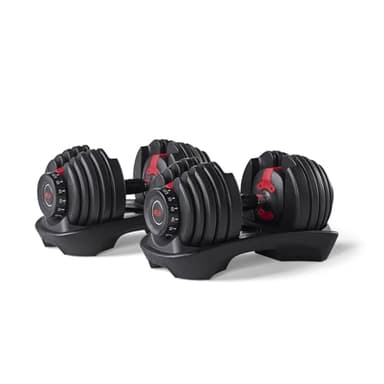
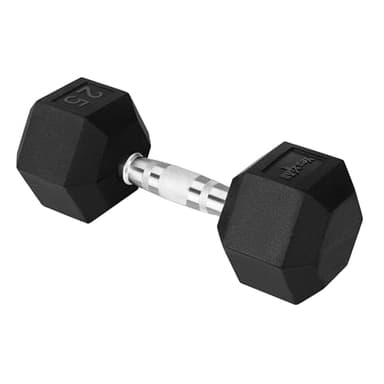
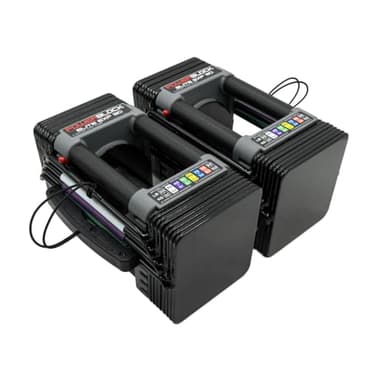
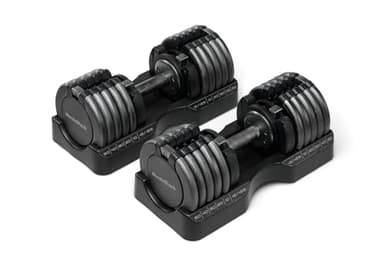
Dumbbells primarily come in two main types: fixed weight and adjustable. Fixed dumbbells, like hex or round head designs, offer a consistent weight and are often found in commercial gyms or for those who need specific weights readily available. They are durable and straightforward but can take up a lot of space if you need a full range. Adjustable dumbbells, on the other hand, allow you to change the weight using a dial, pin, or lever system. These are ideal for home gyms where space is limited, as one set can replace many individual dumbbells. They offer versatility but require careful handling of their mechanisms.
Sizing and Compatibility
Dumbbell sizing primarily refers to the weight increments and the physical dimensions of the dumbbell itself. For fixed dumbbells, ensure the weight increments align with your progression needs. For adjustable dumbbells, check the minimum and maximum weight, as well as the increments available. Some adjustable sets offer smaller 2.5-pound increments, which are great for precise progression. Also, consider the length and width of the dumbbell, especially for exercises where they might come close to your body or each other. If you plan to use a dumbbell rack, ensure the dimensions of your chosen dumbbells are compatible with the rack's design.
Budget Tiers Explained
Dumbbell pricing varies significantly based on type, material, and weight range. Entry-level options often include basic fixed-weight dumbbells or simpler adjustable sets with a limited weight range. Mid-tier options typically feature more robust adjustable dumbbells with wider weight ranges and more refined adjustment mechanisms, offering a good balance of quality and versatility. High-end dumbbells, often premium adjustable sets or specialized fixed sets, boast superior materials, advanced engineering, and extensive weight capacities. Investing more often translates to greater durability, smoother operation, and a more comprehensive workout experience, but there are good options at every price point.
Common Mistakes to Avoid
One common mistake is buying a set with too small a weight range, quickly outgrowing it. Another is neglecting grip comfort, which can lead to discomfort or even injury during workouts. For adjustable dumbbells, failing to properly secure the weight plates or mechanism before lifting can be dangerous. Overlooking the physical size of the dumbbells, especially for adjustable models, can lead to awkward movements or storage issues. Finally, don't assume all dumbbells are created equal; research the brand and specific model to ensure it meets your durability and performance expectations for long-term use.
Frequently asked questions
Are adjustable dumbbells worth it for a home gym?
Yes, adjustable dumbbells are often a great investment for home gyms. They save significant space compared to a full rack of fixed-weight dumbbells and offer a wide range of weights in a single compact unit. This versatility makes them ideal for various exercises and progressive overload without cluttering your workout area.
What's the difference between hex and round dumbbells?
Hex dumbbells have six flat sides on their heads, preventing them from rolling when placed on the floor. Round dumbbells, as the name suggests, have round heads and can roll. Hex dumbbells are generally preferred for home use due to their stability and ease of storage, while round ones are common in commercial gyms.
How do I choose the right weight for dumbbells?
Start with a weight that allows you to perform 8-12 repetitions of an exercise with good form, feeling challenged by the last few reps. For adjustable sets, having smaller increments (like 2.5-5 lbs) is beneficial for gradual progression. It's better to start lighter and gradually increase than to risk injury with weights that are too heavy.
How much space do adjustable dumbbells need?
Adjustable dumbbells require minimal space, typically just enough for their footprint on the floor or a small stand. A single pair can replace an entire rack of fixed weights, making them ideal for small apartments or dedicated home gym corners. Always check the dimensions of the specific model you're considering.
Can I do all exercises with adjustable dumbbells?
Most common dumbbell exercises can be performed with adjustable dumbbells, including presses, rows, curls, and lunges. However, some users find them slightly bulkier than fixed dumbbells, which might affect the range of motion for certain exercises or make them less ideal for very fast-paced movements. For most home workouts, they are highly versatile.