


How to choose the right electric kettles
Key Features to Look For
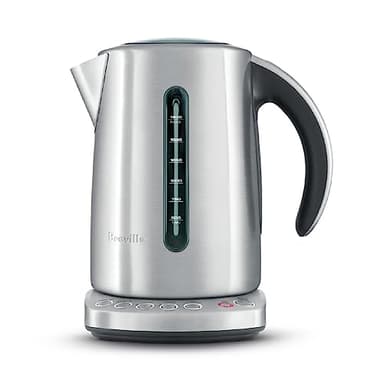
When selecting an electric kettle, consider features like variable temperature control, which allows you to heat water to specific degrees for different teas or coffee. A 'keep warm' function is also convenient for maintaining temperature over a period. Look for kettles with a fast boil time, often indicated by higher wattage, and a comfortable, ergonomic handle for safe pouring. Safety features like automatic shut-off and boil-dry protection are essential for peace of mind. Material construction, such as stainless steel or glass, can also impact durability and taste neutrality.
Types and Formats
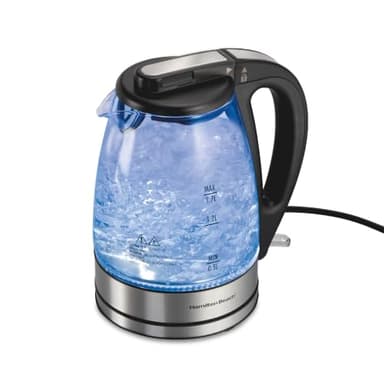
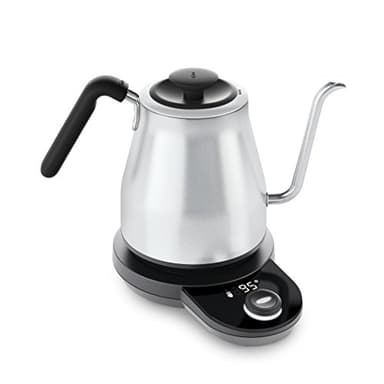
Electric kettles come in several main types. Standard kettles are designed for general hot water needs, often featuring a wide spout for quick pouring. Gooseneck kettles, like the Fellow Stagg EKG, offer precise pour control, making them ideal for pour-over coffee or delicate teas. Some kettles are made entirely of stainless steel, known for durability, while glass kettles allow you to see the water boil, adding a visual element. Plastic kettles are typically lighter and more affordable, but ensure they are BPA-free. There are also travel-sized options for portability.
Capacity and Compatibility
Electric kettle capacities typically range from 1.0 liters to 1.8 liters. For individuals or small households, a 1.0 to 1.2-liter kettle might suffice. Larger families or those who frequently entertain may prefer a 1.7 or 1.8-liter model to avoid multiple refills. Consider your counter space as well; while most kettles have a compact footprint, some designs are wider or taller. All electric kettles are designed for standard household outlets, so compatibility with your home's electrical system is generally not an issue.
Budget Tiers Explained
Electric kettles are available across a wide range of price points, generally falling into three tiers. Entry-level kettles offer basic functionality, such as rapid boiling and automatic shut-off, often with simpler designs and materials like plastic. Mid-range options introduce features like variable temperature control, more durable materials like stainless steel or glass, and improved aesthetics. Premium kettles typically boast advanced features such as precise temperature hold, specialized pour spouts, and high-quality construction, often with smart connectivity or unique design elements. Your budget should align with the features you prioritize.
Common Mistakes to Avoid
One common mistake is choosing a kettle without boil-dry protection, which can damage the appliance if it turns on without water. Another error is neglecting to check the cord length, which can limit placement options in your kitchen. Overfilling the kettle is also a frequent mistake, leading to spills or inefficient boiling. Forgetting to descale your kettle regularly can lead to mineral buildup, affecting performance and taste. Finally, not considering the material of the kettle can impact durability and whether it imparts any taste to your water, especially with certain plastics.
Frequently asked questions
What is the benefit of variable temperature control?
Variable temperature control allows you to heat water to specific temperatures, which is crucial for brewing different types of tea (like green or white tea) and coffee, as each requires an optimal temperature for flavor extraction. It prevents burning delicate leaves or grounds.
Are glass electric kettles safe?
Yes, glass electric kettles are generally safe. They are made with heat-resistant borosilicate glass, which is durable and does not leach chemicals into the water. Always ensure the kettle has safety features like automatic shut-off and boil-dry protection.
How often should I descale my electric kettle?
The frequency of descaling depends on your water hardness and how often you use the kettle. In areas with hard water, descaling every 1-3 months is recommended. For softer water, every 3-6 months might be sufficient to prevent mineral buildup and maintain efficiency.
What is boil-dry protection?
Boil-dry protection is a safety feature that automatically shuts off the kettle if it detects that there is no water inside, or if the water level is too low. This prevents the heating element from overheating and potentially damaging the appliance or causing a fire hazard.
Can I boil milk in an electric kettle?
It is generally not recommended to boil milk or other liquids besides water in an electric kettle. Milk can scorch and leave a residue that is difficult to clean, potentially damaging the heating element and affecting the taste of subsequent water boils. Use a saucepan on a stovetop instead.