
How to choose the right electric toothbrushes
Key Features to Look For
When selecting an electric toothbrush, consider features like brushing modes (e.g., daily clean, sensitive, whitening, gum care), which offer versatility for different needs. A pressure sensor is crucial for preventing damage to gums and teeth from brushing too hard. Battery life is also important, especially for travel; some models offer weeks of use on a single charge. Look for timers and quadpacers that ensure you brush for the dentist-recommended two minutes and cover all areas of your mouth evenly. Finally, brush head availability and cost are practical considerations for ongoing maintenance.
Types and Technologies Explained
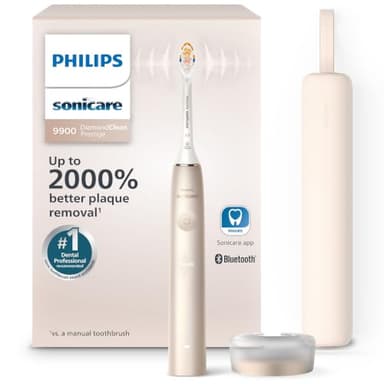
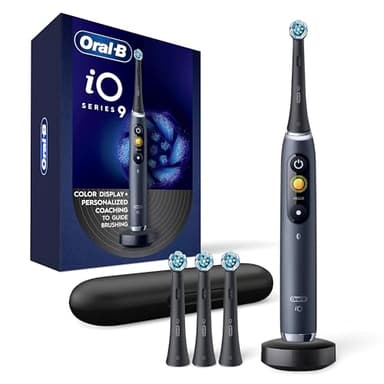
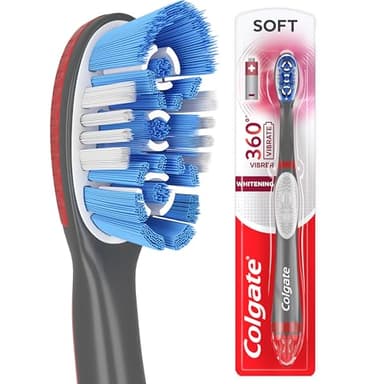
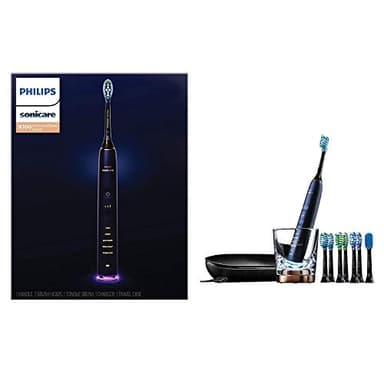
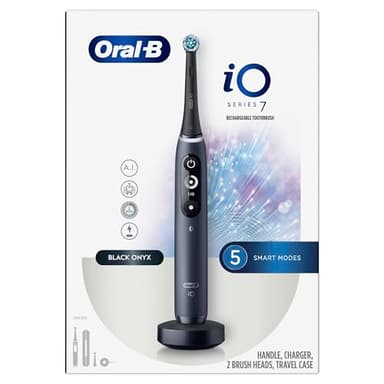
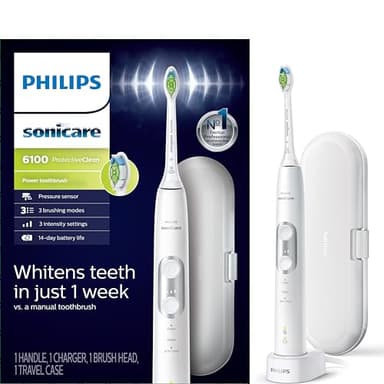
Electric toothbrushes primarily come in two main types: sonic and oscillating-rotating. Sonic toothbrushes, like those from Philips Sonicare, use high-frequency vibrations to create fluid dynamics that clean beyond where the bristles touch. Oscillating-rotating brushes, typically from Oral-B, feature a small, round head that pulsates, oscillates, and rotates to break up and sweep away plaque. There are also newer magnetic drive technologies, like Oral-B's iO series, which combine micro-vibrations with a dentist-inspired round brush head. Some simpler battery-powered brushes offer basic vibrations without advanced features.
Sizing and Compatibility Considerations
Electric toothbrushes don't have a universal sizing standard for the handle itself, but brush head size and shape are important. Some brands offer different brush head sizes and styles (e.g., standard, compact, whitening, sensitive) that are compatible only with their specific handle models. It's essential to check that replacement brush heads are readily available and fit your chosen model. For travel, consider the overall size and weight of the handle and charging base, as well as voltage compatibility if you plan to use it internationally. Ensure the brush head size is comfortable for your mouth.
Understanding Budget Tiers
Electric toothbrushes are available across a wide range of price points. Entry-level models typically offer basic sonic or oscillating action with a timer and perhaps one or two brushing modes. Mid-range options often include more brushing modes, pressure sensors, and improved battery life. High-end electric toothbrushes incorporate advanced features such as AI-powered brushing guidance, smart connectivity with apps, multiple sensors for real-time feedback, premium materials, and sophisticated charging solutions. Your budget should align with the features you prioritize for your oral health routine.
Common Mistakes to Avoid
One common mistake is brushing too hard, which can lead to gum recession and enamel wear; a pressure sensor can help prevent this. Another error is not replacing brush heads often enough, typically every three months or when bristles fray, as worn bristles are less effective. Many users also neglect to brush for the full two minutes or miss certain areas of their mouth; built-in timers and quadrant guides are designed to combat this. Lastly, not cleaning your electric toothbrush handle and charger regularly can lead to grime buildup, affecting hygiene and longevity.
Frequently asked questions
How often should I replace my electric toothbrush head?
It's generally recommended to replace your electric toothbrush head every three months, or sooner if the bristles appear frayed or worn. Worn bristles are less effective at cleaning and can potentially harm your gums. Some brush heads have indicator bristles that fade over time to signal when a replacement is due.
Can electric toothbrushes damage my gums or teeth?
When used correctly, electric toothbrushes are safe and effective. However, brushing too hard can lead to gum recession and enamel wear. Many modern electric toothbrushes include a pressure sensor that alerts you if you're applying too much force, helping to protect your oral health.
What's the difference between sonic and oscillating-rotating toothbrushes?
Sonic toothbrushes use high-frequency vibrations to create dynamic cleaning action, while oscillating-rotating brushes feature a small, round head that pulsates, oscillates, and rotates to clean each tooth individually. Both types are effective, but some people prefer one over the other based on feel and cleaning sensation.
Do I still need to floss if I use an electric toothbrush?
Yes, flossing remains an essential part of a complete oral hygiene routine, even with an electric toothbrush. Electric toothbrushes are excellent at cleaning tooth surfaces, but they typically cannot reach effectively between teeth or below the gumline to remove plaque and food particles that flossing addresses.
Are electric toothbrushes safe for people with braces or dental work?
Yes, electric toothbrushes are generally safe and often recommended for people with braces, crowns, veneers, or other dental work. The consistent motion and built-in timers can make it easier to clean around orthodontic appliances. Always check with your dentist for personalized recommendations regarding your specific dental situation.