

How to choose the right espresso machines
Key Features to Look For
When selecting an espresso machine, consider features like pump pressure, which typically ranges from 9 to 15 bars for optimal extraction. A good steam wand is crucial for milk-based drinks, with some offering more control than others. Look for machines with durable construction materials, such as stainless steel, for longevity. Water reservoir size is also important, especially if you make multiple drinks daily, as it dictates how often you'll need to refill. Finally, consider the machine's footprint to ensure it fits comfortably on your countertop.
Types of Espresso Machines
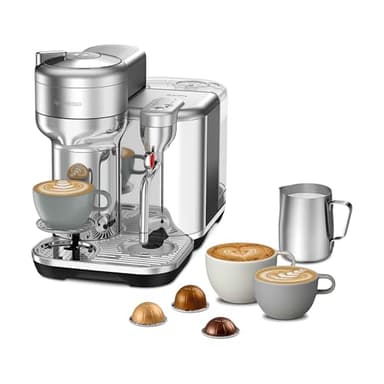
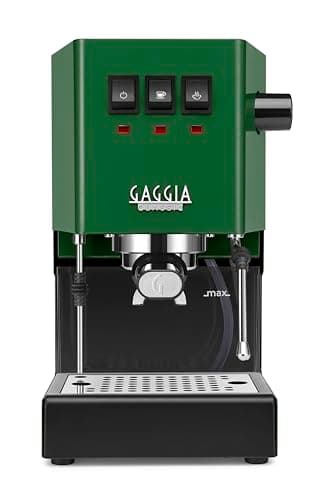
Espresso machines generally fall into a few categories. Manual lever machines require the user to apply pressure to extract espresso, offering a hands-on experience and precise control. Semi-automatic machines automate the pump pressure but allow you to control the shot duration. Automatic machines handle both pressure and shot duration with pre-programmed settings. Super-automatic machines go a step further, grinding beans, tamping, and brewing with the push of a button. Pod-based systems, like Nespresso, offer convenience with pre-portioned coffee capsules.
Sizing and Compatibility
Consider the physical dimensions of the espresso machine to ensure it fits your available counter space and under any overhead cabinets. Some machines are quite compact, ideal for smaller kitchens, while others require more room. Also, think about the portafilter size; common sizes are 58mm, which is standard for many commercial and prosumer machines, and smaller sizes like 49mm, found on some manual lever models. Compatibility with accessories like tampers and distribution tools often depends on the portafilter diameter.
Budget Tiers Explained
Espresso machines are available across a wide range of price points, generally reflecting their features, build quality, and level of automation. Entry-level machines often focus on basic functionality and convenience, suitable for those new to espresso. Mid-range options typically offer more control over brewing parameters, better steam wands, and more robust construction. High-end machines, including prosumer models, provide commercial-grade components, precise temperature stability, and extensive customization, appealing to serious home baristas seeking professional-level results.
Common Mistakes to Avoid
One common mistake is neglecting to properly grind your coffee beans; the grind size is critical for good espresso extraction. Another error is not preheating your machine and portafilter, which can lead to lukewarm shots. Over-tamping or under-tamping can also negatively impact extraction. Many new users forget the importance of regular cleaning and descaling, which is essential for machine longevity and consistent flavor. Finally, don't overlook the quality of your water, as it significantly affects the taste of your espresso.
Frequently asked questions
What is the difference between a semi-automatic and an automatic espresso machine?
A semi-automatic machine requires you to start and stop the espresso shot manually, giving you control over the extraction time. An automatic machine, however, dispenses a pre-set amount of water, stopping the shot automatically once the programmed volume is reached, offering more convenience.
Do I need a grinder if I buy an espresso machine?
For the best quality espresso, a good burr grinder is highly recommended. Pre-ground coffee can quickly lose its freshness, and the ideal grind size for espresso is very specific and often finer than what's available pre-ground. Some super-automatic machines have integrated grinders.
How often should I clean my espresso machine?
Daily cleaning of the portafilter, basket, and steam wand is crucial to prevent coffee residue buildup. Backflushing should be done weekly for most machines, and descaling, which removes mineral buildup, is typically recommended every 1-3 months depending on water hardness and usage.
What is a portafilter and why is its size important?
A portafilter is the handle with a basket that holds the ground coffee. Its size, commonly 58mm or 49mm, affects the surface area of coffee exposed to water, influencing extraction. Larger portafilters are often associated with more consistent and forgiving extractions.
Can I make regular coffee with an espresso machine?
Espresso machines are designed to make concentrated espresso shots. While you can dilute an espresso shot with hot water to create an Americano, which is similar to drip coffee, an espresso machine does not brew a full pot of regular coffee like a drip coffee maker would.