


How to choose the right fitness trackers
Key Features to Look For
When selecting a fitness tracker, consider what metrics are most important to you. Most trackers monitor steps, distance, calories burned, and sleep patterns. More advanced models offer heart rate tracking, blood oxygen saturation (SpO2), GPS for outdoor activities, and even ECG capabilities. Battery life is another crucial factor; some devices last days, while others require daily charging. Look for water resistance if you plan to swim or shower with your tracker. Smartwatch features like notifications, music control, and contactless payments can enhance convenience, but may not be essential for everyone. Prioritize features that directly support your fitness and health objectives.
Types and Formats of Fitness Trackers
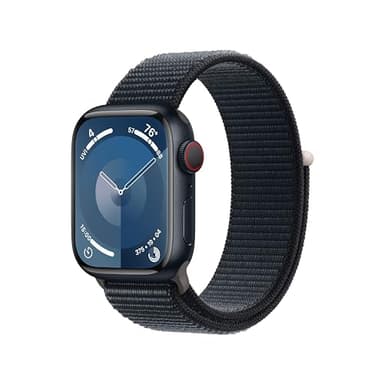
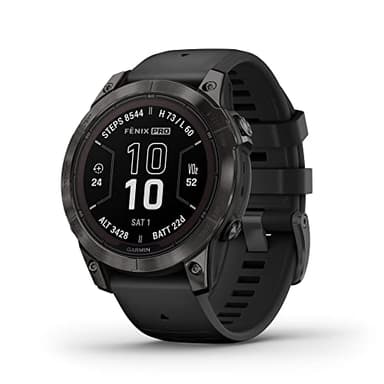
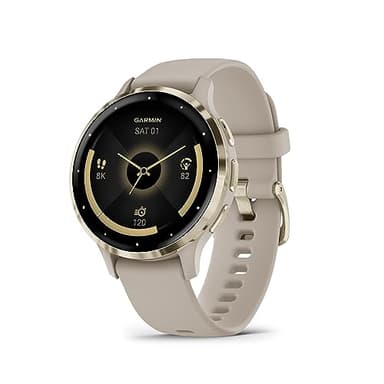
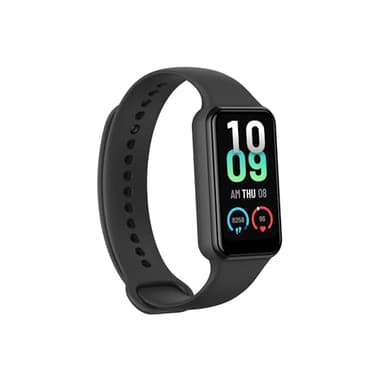
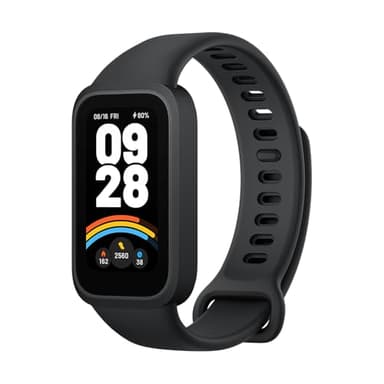
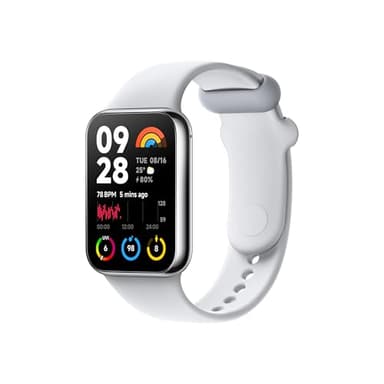
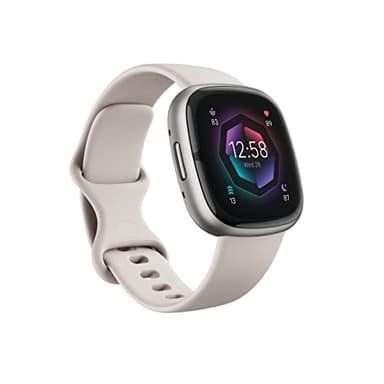
Fitness trackers come in several forms, each with distinct advantages. Basic fitness bands are typically slim, lightweight, and focus on core activity tracking, often with long battery life. Smartwatches offer a broader range of functionalities, including advanced health monitoring, app integration, and communication features, resembling a mini-smartphone on your wrist. Some specialized sports watches are designed for specific activities like running or swimming, featuring robust GPS and detailed performance metrics. There are also screenless trackers, often worn on the arm or wrist, which collect data discreetly and sync with a smartphone app for analysis. Your choice depends on the balance you seek between functionality, aesthetics, and user experience.
Sizing and Compatibility
Ensuring your fitness tracker fits comfortably and is compatible with your other devices is essential. Most wrist-worn trackers come with adjustable bands, but some models offer different case sizes (e.g., 41mm, 47mm) to better suit smaller or larger wrists. Check the manufacturer's sizing guide if available. Compatibility with your smartphone's operating system (iOS or Android) is critical, as most trackers rely on a companion app for setup, data synchronization, and advanced features. Confirm that the tracker supports your phone's OS version to avoid connectivity issues. Also, consider if you prefer a touchscreen interface or physical buttons, as this can impact usability during workouts.
Budget Tiers Explained
Fitness trackers are available across a wide price spectrum, generally reflecting the features and build quality. Entry-level trackers typically cover basic activity and sleep monitoring, making them suitable for those new to tracking or with simple needs. Mid-range devices often add more advanced sensors like continuous heart rate monitoring, built-in GPS, and improved display quality. High-end fitness smartwatches and specialized sports watches offer comprehensive health suites, advanced analytics, premium materials, and extensive app ecosystems. While more expensive models provide a richer feature set, it's important to evaluate if those additional capabilities are truly necessary for your personal use case. Value can be found at every tier.
Common Mistakes to Avoid
One common mistake is choosing a tracker based solely on its appearance without considering its features. Another is overestimating your need for every advanced metric; a simpler device might be perfectly adequate. Don't neglect to check compatibility with your smartphone before purchasing, as this can lead to frustration. Ignoring battery life can also be a significant oversight, especially if you dislike frequent charging. Finally, remember that a fitness tracker is a tool, not a magic solution. Consistent effort and engagement with the data are key to achieving your health and fitness goals, regardless of the device you choose.
Frequently asked questions
What's the difference between a fitness tracker and a smartwatch?
Fitness trackers generally focus on health and activity monitoring, like steps, heart rate, and sleep. Smartwatches offer broader functionality, including notifications, calls, app support, and often more advanced health features, essentially acting as an extension of your smartphone.
Do I need GPS in my fitness tracker?
You need GPS if you want to accurately track outdoor activities like running, cycling, or hiking without carrying your phone. If you primarily exercise indoors or don't mind relying on your phone's GPS, then a tracker without built-in GPS might suffice.
How important is battery life for a fitness tracker?
Battery life is very important for convenience. Trackers with longer battery life (several days to weeks) require less frequent charging, making them ideal for continuous monitoring, especially for sleep. Devices with more features like GPS or vibrant displays often have shorter battery lives.
Can fitness trackers help with sleep tracking?
Yes, most modern fitness trackers can monitor sleep patterns by detecting movement and heart rate. They often provide insights into sleep stages (light, deep, REM) and sleep quality, helping you understand and potentially improve your rest habits.
Are fitness trackers waterproof?
Many fitness trackers are water-resistant, meaning they can withstand splashes, rain, and sometimes even swimming. However, 'waterproof' is a strong claim; always check the specific water resistance rating (e.g., 5ATM, 50 meters) to ensure it meets your needs for activities like swimming or showering.