


How to choose the right food processors
Key Features to Look For
When selecting a food processor, consider motor power, which dictates its ability to handle tough ingredients. Higher wattage generally means better performance for tasks like kneading dough or processing hard vegetables. Bowl capacity is another critical factor; choose one that matches your typical batch sizes. Look for durable blades and discs made from stainless steel, as these will maintain sharpness and resist corrosion over time. Safety features, such as interlocking lids and non-slip bases, are also important. Finally, ease of cleaning, including dishwasher-safe parts, can significantly impact your user experience.
Types and Formats
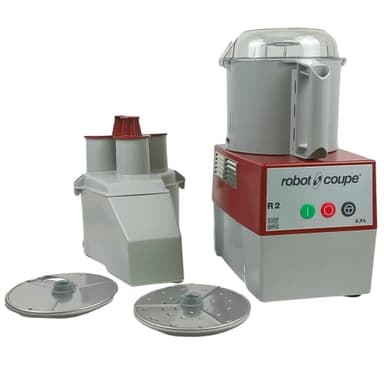
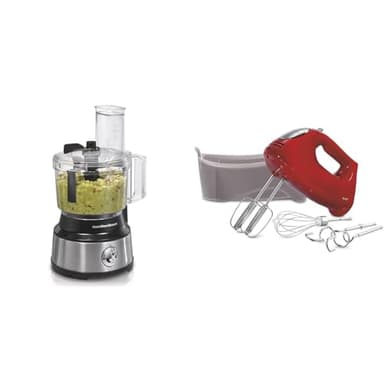
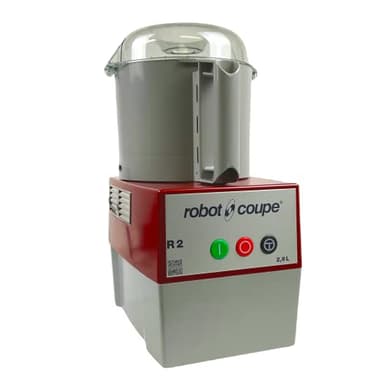
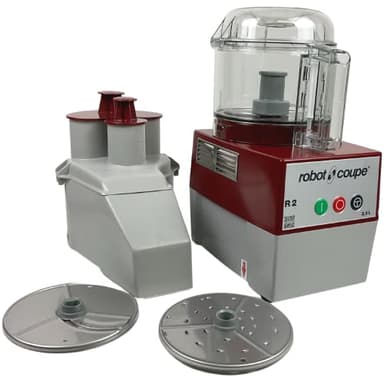
Food processors come in various types, primarily categorized by their capacity and intended use. Full-size food processors, typically with bowls ranging from 7 to 16 cups, are versatile for most home cooking tasks, offering multiple functions like slicing, shredding, and chopping. Compact or mini food processors, usually 1-4 cups, are ideal for smaller tasks like mincing garlic or making dressings. Commercial-grade food processors, often seen in professional kitchens, boast larger capacities, more powerful motors, and are built for continuous, heavy-duty use. Some models also offer continuous feed chutes for processing large quantities of ingredients without stopping.
Sizing and Compatibility
Choosing the right size food processor depends on your household size and cooking habits. For individuals or small families, a 7-cup model might suffice for everyday tasks. Medium-sized families or those who entertain frequently might prefer 10-12 cup models. Larger families or avid cooks who often prepare big batches should consider 14-cup or larger processors. Commercial users will need industrial-grade machines, often 2-quarts (approximately 8 cups) or more, designed for continuous operation. Ensure the processor's footprint fits your counter space and that any attachments you plan to use are compatible with the specific model.
Budget Tiers Explained
Food processors are available across a wide price spectrum, generally falling into three tiers. Entry-level models offer basic functionality and smaller capacities, suitable for occasional light use without a significant investment. Mid-range processors provide a good balance of power, features, and capacity, often including a variety of blades and discs, making them suitable for most home cooks. High-end and commercial-grade food processors represent the top tier, featuring robust motors, larger capacities, premium materials, and specialized functions designed for heavy-duty use and professional environments. Your budget should align with your anticipated frequency and intensity of use.
Common Mistakes to Avoid
One common mistake is underestimating the required bowl capacity, leading to multiple batches for larger recipes. Another error is not considering motor power; a weak motor will struggle with tough ingredients, potentially leading to burnout. Neglecting to check for dishwasher-safe parts can make cleaning a chore, discouraging frequent use. Also, some users might overlook safety features, which are crucial for preventing accidents. Finally, buying a processor with too many unnecessary attachments can lead to clutter and wasted money if those features are rarely used. Focus on what you truly need.
Frequently asked questions
What is the ideal food processor size for a family of four?
For a family of four, a food processor with a 10-12 cup capacity is generally recommended. This size is versatile enough to handle most meal prep tasks, from chopping vegetables for a family dinner to making dough for a batch of cookies, without needing to process in multiple small batches.
Can a food processor knead dough?
Yes, many food processors, especially those with powerful motors and specific dough blades, can effectively knead dough. Check the product specifications for a 'dough blade' attachment and sufficient wattage. Using a food processor can significantly reduce the effort and time involved in kneading bread or pizza dough.
What's the difference between a food processor and a blender?
While both can chop, a food processor is designed for a wider range of tasks like slicing, shredding, dicing, and kneading, often with interchangeable blades and discs. Blenders are primarily for liquids, pureeing, and making smoothies, typically with a single blade at the bottom of a tall jar for creating smooth consistencies.
How do I clean my food processor?
Most modern food processors have dishwasher-safe bowls, lids, and blades, making cleanup easy. Always consult your specific model's manual for cleaning instructions. For parts that aren't dishwasher safe, wash them by hand with warm, soapy water. Be careful when handling sharp blades.
Are food processors noisy?
The noise level of a food processor can vary significantly between models and brands. Generally, more powerful motors can produce more noise. While some noise is expected during operation, especially when processing hard ingredients, manufacturers are increasingly designing models with quieter motors. Check reviews for mentions of noise levels if this is a concern for you.