

How to choose the right gaming headsets
Key Features to Look For
When choosing a gaming headset, prioritize sound quality, microphone performance, and comfort. Look for headsets with clear audio reproduction, often advertised with features like virtual surround sound for better positional awareness. A good microphone is crucial for clear communication with teammates, so consider models with noise-canceling capabilities. Comfort is paramount for long gaming sessions; check for adjustable headbands, breathable earcups, and lightweight designs. Connectivity options (wired, wireless) and compatibility with your gaming platform (PC, console) are also important considerations to ensure a seamless experience.
Types of Gaming Headsets
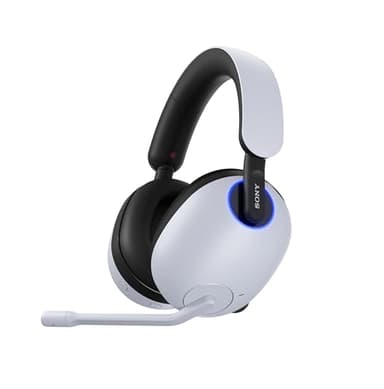
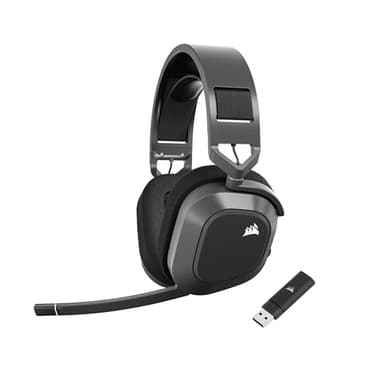
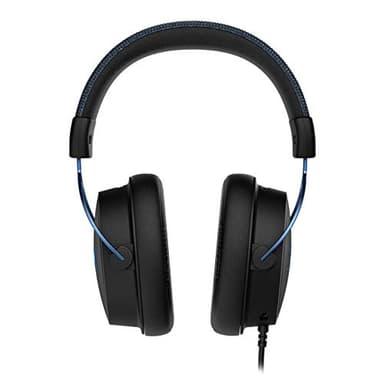
Gaming headsets primarily come in two main types: wired and wireless. Wired headsets typically connect via a 3.5mm jack or USB, offering reliable, lag-free audio and often superior sound quality for the price. They don't require charging, but cable management can be a minor inconvenience. Wireless headsets provide freedom of movement and a clutter-free setup, connecting via a USB dongle (2.4GHz) or Bluetooth. While convenient, they require charging and can sometimes introduce slight audio latency. Some advanced models offer both wired and wireless options, providing versatility for different scenarios.
Sizing and Compatibility
Headset sizing is generally universal, but comfort varies greatly. Look for adjustable headbands and earcups that can swivel or tilt to conform to your head shape. Earcup material, such as memory foam or velour, also impacts comfort during extended use. Compatibility is crucial: ensure the headset works with your primary gaming platform(s). PC gamers often have the most options, while console users need to check for specific PlayStation, Xbox, or Nintendo Switch compatibility. Wireless headsets, in particular, often have specific dongle requirements for different systems, so verify before purchasing.
Understanding Budget Tiers
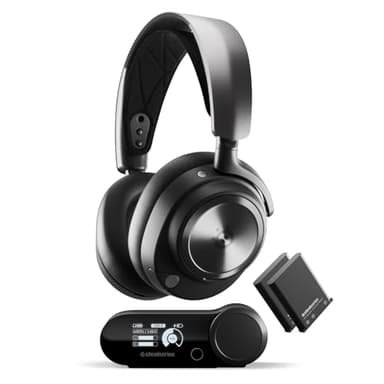
Gaming headsets are available across a wide range of price points, each offering different levels of features and build quality. Entry-level options typically provide basic stereo sound and a functional microphone, suitable for casual gaming. Mid-range headsets often introduce virtual surround sound, better build materials, and improved microphone clarity. High-end models boast premium audio drivers, advanced noise cancellation, superior comfort, and often include features like swappable batteries or a dedicated base station. Your budget should align with your desired features and how critically you value audio performance and comfort in your gaming setup.
Common Mistakes to Avoid
One common mistake is prioritizing flashy aesthetics over core performance. A headset might look cool, but if the sound is muddy or the mic is unclear, it won't enhance your gaming. Another pitfall is neglecting comfort; an uncomfortable headset will quickly become a nuisance during long sessions. Don't assume all wireless headsets offer the same performance; some cheaper models can suffer from connectivity issues or poor battery life. Finally, always check compatibility with your specific gaming platform. A great PC headset might not work seamlessly with your console, leading to frustration.
Frequently asked questions
Is a wired or wireless gaming headset better?
Neither is inherently 'better'; it depends on your priorities. Wired headsets offer reliable, lag-free audio and don't need charging, often providing better value for sound quality. Wireless headsets provide freedom of movement and a clutter-free setup but require charging and can sometimes have minimal latency. Choose based on your preference for convenience versus absolute audio consistency.
Do I need virtual surround sound for gaming?
Virtual surround sound can enhance your gaming experience by providing better positional audio cues, helping you pinpoint enemy locations or the direction of in-game sounds. While not strictly necessary, it can offer a competitive advantage in certain games and increase immersion. Many modern gaming headsets include this feature, particularly in mid-to-high-end models.
How important is microphone quality on a gaming headset?
Microphone quality is very important, especially if you play multiplayer games that rely on team communication. A clear microphone ensures your teammates can understand you without distortion or background noise, which is crucial for coordination and an enjoyable experience. Look for headsets with noise-canceling microphones for the best results.
Can I use a gaming headset for music or movies?
Yes, most gaming headsets can be used for music and movies. However, while they excel at gaming audio, their sound profile might be tuned differently than dedicated music headphones. Some gaming headsets offer excellent all-around sound, while others prioritize bass or specific frequencies for in-game effects. High-end models often perform very well across all media types.
What's the difference between 2.4GHz wireless and Bluetooth headsets?
2.4GHz wireless headsets use a dedicated USB dongle and typically offer lower latency, making them ideal for gaming where quick reactions are crucial. Bluetooth headsets connect directly to devices without a dongle but generally have higher latency, which can be noticeable in fast-paced games. Bluetooth is more versatile for general use with phones or tablets, while 2.4GHz is preferred for dedicated gaming.