




How to choose the right grills
Key Features to Look For
When shopping for a grill, consider the cooking surface area, which dictates how much food you can prepare at once. Look at the BTU output for gas grills, as this indicates heat intensity and recovery. Material construction, such as stainless steel or cast iron, affects durability and heat retention. Features like side burners, warming racks, and integrated thermometers add versatility and convenience. Portability is crucial for those who plan to move their grill frequently, so check for wheels and compact designs. Finally, ease of cleaning can significantly impact your grilling experience.
Types and Formats of Grills
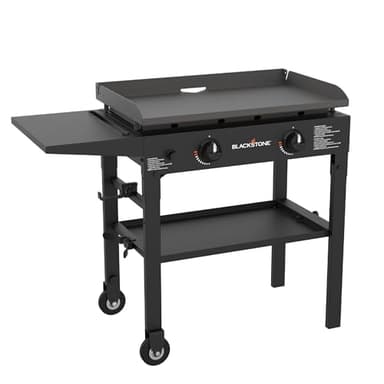
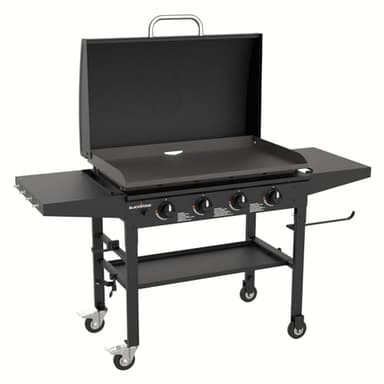
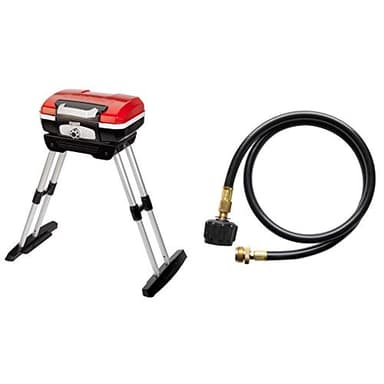
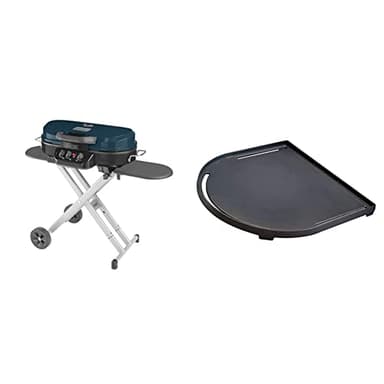
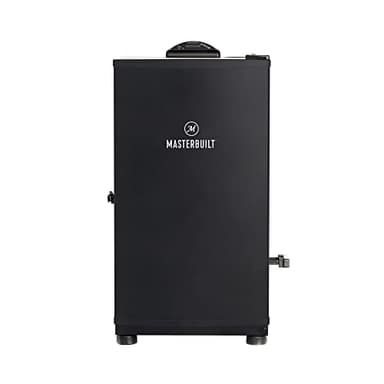
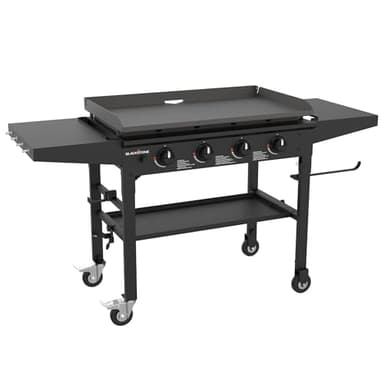
Grills come in several primary types, each with distinct advantages. Gas grills offer convenience with quick heating and precise temperature control, ideal for everyday use. Charcoal grills provide a smoky flavor that many enthusiasts prefer, though they require more time to heat up and clean. Electric grills are great for small spaces or areas with restrictions on open flames, offering a simpler, plug-and-play experience. Flat-top griddles are excellent for cooking a wider variety of foods, from pancakes to stir-fries, and offer even heat distribution. Smokers, while not strictly grills, are designed for low-and-slow cooking to infuse food with deep smoky flavors.
Sizing and Compatibility
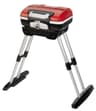
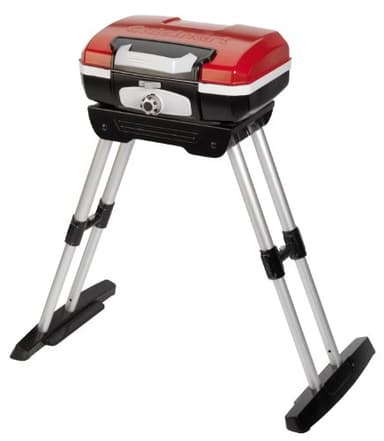
Choosing the right size grill depends on your typical cooking volume and available space. A small portable grill might suffice for solo use or camping, while a larger multi-burner model is better for entertaining crowds. Consider the footprint of the grill and ensure it fits comfortably on your patio, deck, or balcony, leaving adequate clearance from combustible materials. For fuel, gas grills typically use propane tanks or can be converted to natural gas lines. Charcoal grills require briquettes or lump charcoal, and electric models need a standard power outlet. Always check the manufacturer's specifications for fuel and space requirements.
Budget Tiers Explained
Grills are available across a wide range of price points, generally reflecting their size, materials, and features. Entry-level grills often feature basic construction and fewer amenities, suitable for occasional use or smaller budgets. Mid-range options typically offer better build quality, more cooking surface, and additional features like side burners or improved ignition systems. High-end grills are characterized by premium materials, advanced temperature control, extensive cooking areas, and durable components designed for frequent, long-term use. Investing more often translates to greater durability, better heat retention, and a wider array of cooking possibilities.
Common Mistakes to Avoid
One common mistake is underestimating the importance of proper ventilation; always use grills in well-ventilated outdoor areas. Another error is neglecting regular cleaning, which can lead to flare-ups and reduced grill lifespan. Many users also overlook seasoning their grill grates or griddles, which is crucial for non-stick performance and rust prevention. Not preheating your grill sufficiently can result in unevenly cooked food. Finally, choosing a grill that's too small or too large for your needs can lead to frustration, so accurately assess your cooking habits and available space before buying.
Frequently asked questions
What's the difference between a grill and a griddle?
A grill uses grates to cook food over direct heat, creating sear marks and allowing fat to drip away. A griddle has a flat, solid cooking surface that provides even heat, ideal for foods like pancakes, eggs, or smash burgers, and prevents smaller items from falling through.
How often should I clean my grill?
It's best to clean your grill grates after every use to prevent food buildup and ensure even cooking. A more thorough cleaning, including the interior and grease tray, should be done a few times per grilling season, depending on how frequently you use it.
Can I use a gas grill indoors?
No, gas grills should never be used indoors or in enclosed spaces like garages. They produce carbon monoxide, a colorless and odorless gas that can be deadly. Always use gas grills in well-ventilated outdoor areas to ensure safety.
What fuel is best for grilling?
The 'best' fuel depends on your preference. Propane offers convenience and quick heating. Charcoal provides a distinct smoky flavor that many prefer. Electric grills are easy to use and suitable for restricted areas. Each has its own benefits for different cooking styles and situations.
How do I season a new griddle?
To season a new griddle, wash it with hot, soapy water and dry thoroughly. Apply a thin layer of high-smoke-point cooking oil (like flaxseed or grapeseed oil) over the entire surface. Heat the griddle until it smokes, then let it cool. Repeat this process several times to build up a durable, non-stick layer.