
How to choose the right hair care
Key Features to Look For
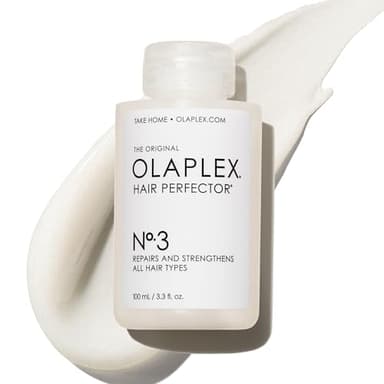
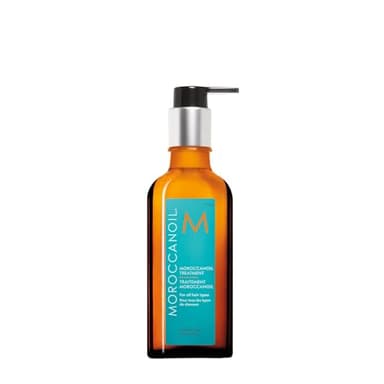
When selecting hair care products, consider ingredients that target your specific concerns. For dry hair, look for moisturizing agents like hyaluronic acid or argan oil. If you have color-treated hair, seek out formulas designed to protect color vibrancy and prevent fading. Those with fine hair might prioritize volumizing ingredients, while individuals with damaged hair should focus on reparative proteins or bond-building technologies. Always check for products free from harsh sulfates or parabens if you have sensitive scalp or chemically treated hair, as these can sometimes strip natural oils or cause irritation.
Types and Formats of Hair Care Products
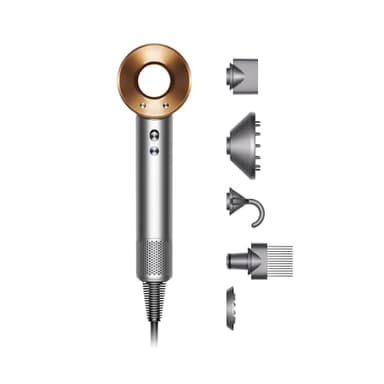
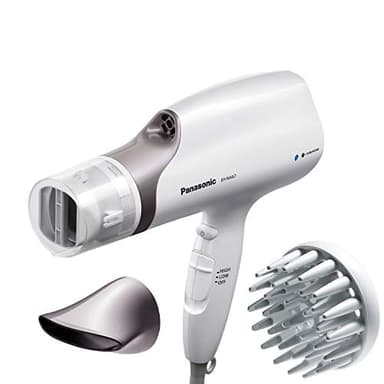
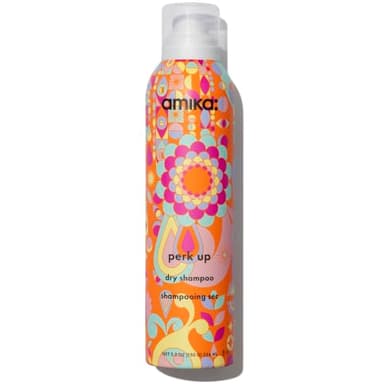
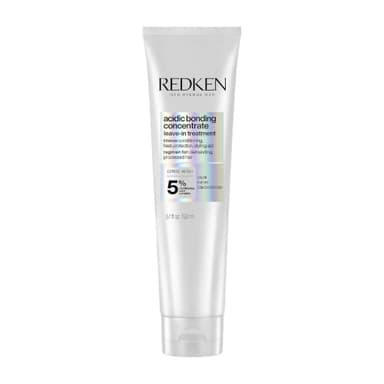
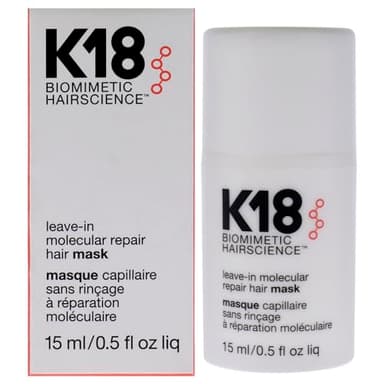
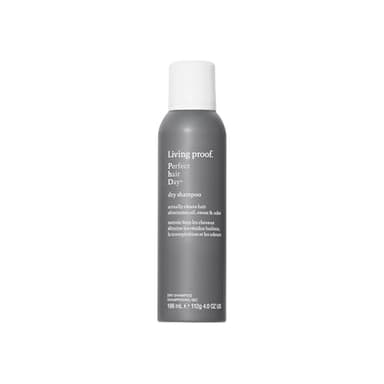
The world of hair care offers a vast array of product types, each serving a unique purpose. Shampoos and conditioners form the foundation, cleansing and nourishing the hair. Leave-in treatments, such as masks or serums, provide intensive conditioning and targeted repair. Styling products, including dry shampoos, mousses, and gels, help achieve desired looks and manageability. Heat protectants are crucial for anyone using styling tools, safeguarding strands from thermal damage. Specialized tools like hair dryers also play a significant role, with advanced features like ionic technology designed to reduce frizz and enhance shine.
Sizing and Compatibility
Product sizing often depends on your usage frequency and hair length. Larger bottles of shampoo and conditioner can be more economical for daily use or for those with long, thick hair. Travel-sized options are convenient for on-the-go needs. Compatibility is key; ensure products are suitable for your hair type – whether it's oily, dry, fine, thick, curly, straight, or color-treated. Some product lines are designed to work synergistically, offering enhanced results when used together. Always check product descriptions for recommended hair types and concerns to ensure optimal compatibility with your hair's unique needs.
Understanding Budget Tiers
Hair care products are available across a wide range of price points, generally falling into value, mid-range, and premium tiers. Value options often provide basic cleansing and conditioning, suitable for everyday maintenance without specific concerns. Mid-range products frequently incorporate more targeted ingredients for common issues like frizz or dryness, offering a balance of efficacy and affordability. Premium products typically feature advanced formulations, high concentrations of active ingredients, and innovative technologies, often addressing more complex hair concerns or providing a luxurious experience. Your budget should align with your hair's specific needs and your desired results.
Common Hair Care Mistakes to Avoid
One common mistake is over-washing hair, which can strip natural oils and lead to dryness or increased oil production. Another is using too much heat without adequate protection, causing damage and breakage. Applying conditioner to the roots can weigh down fine hair, while not rinsing shampoo thoroughly can leave residue. Ignoring your scalp health is also a pitfall; a healthy scalp is fundamental for healthy hair growth. Finally, not tailoring products to your specific hair type and concerns can lead to ineffective results, so always read product labels carefully.
Frequently asked questions
How often should I wash my hair?
The ideal frequency depends on your hair type and lifestyle. Oily hair might benefit from more frequent washing, while dry or curly hair can often go longer between washes. Experiment to find what works best for your hair, typically every 2-3 days for most people.
What is the difference between a hair mask and a conditioner?
Conditioners are typically used after every shampoo to detangle and provide light hydration. Hair masks are more intensive treatments, designed to penetrate deeper and deliver concentrated ingredients for repair, moisture, or strengthening. They are usually used once or twice a week.
Can hair products expire?
Yes, hair products can expire. Look for a 'period after opening' (PAO) symbol, a small open jar icon with a number followed by 'M' (e.g., 12M), indicating how many months the product is good for after opening. Expired products may be less effective or even cause irritation.
How do I choose the right hair dryer?
Consider your hair type and desired features. Ionic dryers reduce frizz, ceramic dryers provide even heat, and tourmaline dryers speed up drying time. Look for multiple heat and speed settings for versatility, and a cool shot button to set your style.
Are 'sulfate-free' products better for my hair?
Sulfate-free products are often recommended for color-treated hair, sensitive scalps, or dry/frizzy hair, as sulfates can sometimes strip natural oils and color. While not universally 'better,' they can be a gentler option for many, helping to maintain moisture and color vibrancy.