
How to choose the right hair dryers
Key Features to Look For
When shopping for a hair dryer, consider features like wattage, which indicates drying power; higher wattage often means faster drying. Ionic or tourmaline technology can help reduce frizz and static by emitting negative ions, leading to smoother, shinier results. Ceramic or porcelain elements distribute heat more evenly, protecting hair from damage. Multiple heat and speed settings offer versatility for different hair types and styling preferences. A cool shot button is also valuable for setting your style and adding shine. Finally, look for ergonomic design and a comfortable weight for ease of use during longer styling sessions.
Types and Formats of Hair Dryers
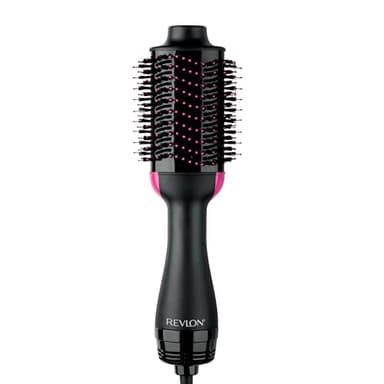
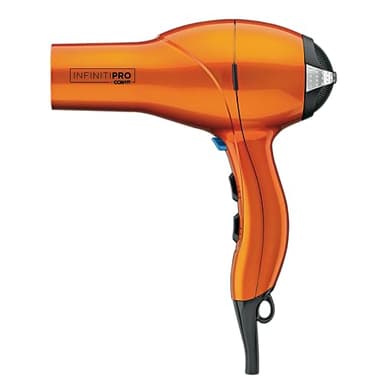
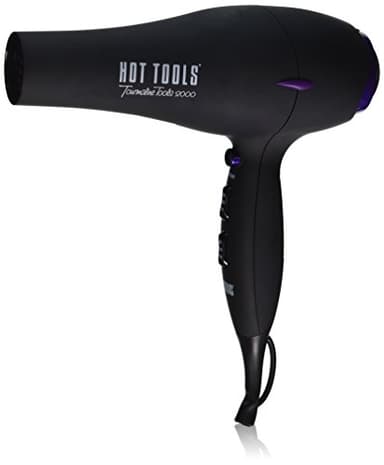
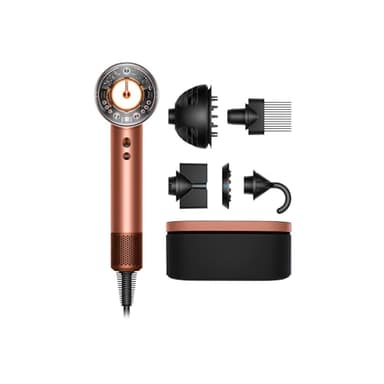
Hair dryers come in several formats, each designed for specific needs. Standard handheld dryers are the most common, offering a balance of power and portability. Travel dryers are compact and lightweight, often foldable, making them ideal for on-the-go use, though they typically have less power. Hooded dryers, often found in salons, provide hands-free drying, especially useful for setting styles or deep conditioning. Dryer brushes, like the Revlon One-Step, combine a brush and dryer into one tool, simplifying styling by drying and shaping hair simultaneously. Specialized high-velocity dryers, such as the Dyson Supersonic, focus on rapid drying with advanced airflow technology.
Sizing and Compatibility
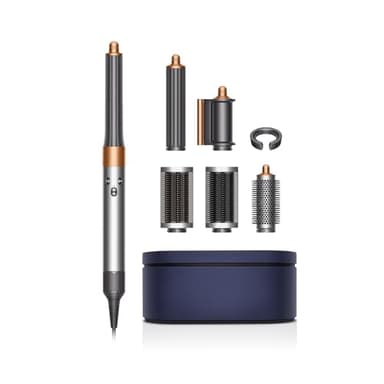
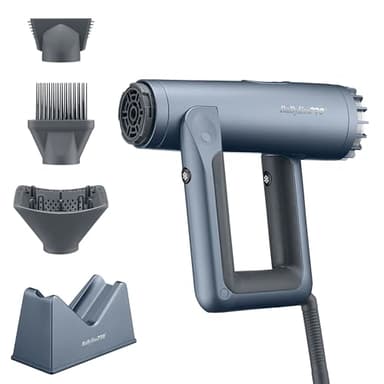
Hair dryer 'sizing' primarily refers to its physical dimensions and weight, which impact comfort and portability. A lighter, more compact dryer is easier to handle for extended periods and better for travel. Compatibility often relates to attachments. Most dryers come with a concentrator nozzle for precise airflow and a diffuser for enhancing curls and waves. Ensure the attachments are easy to connect and remove. Some brands offer proprietary attachments or multi-styler systems, like the Dyson Airwrap, which include various heads for drying, curling, and smoothing. Consider your styling routine and hair type when evaluating attachment compatibility.
Understanding Budget Tiers
Hair dryer prices vary significantly, reflecting differences in technology, materials, and brand. Entry-level models typically offer basic heat and speed settings, suitable for occasional use. Mid-range dryers often incorporate ionic or ceramic technology, providing better heat distribution and frizz control, making them a good choice for regular use. High-end hair dryers feature advanced motors, innovative airflow designs, and premium materials, resulting in faster drying times, enhanced hair protection, and greater durability. These premium models are an investment for those who style their hair frequently or have specific hair concerns, like very thick or fine hair.
Common Mistakes to Avoid
One common mistake is using a hair dryer on the highest heat setting without considering hair type, which can lead to heat damage. Always use a heat protectant spray. Another error is drying hair when it's soaking wet; towel-dry first to reduce drying time and minimize heat exposure. Holding the dryer too close to the hair or focusing heat on one spot for too long can also cause damage. Forgetting to clean the air filter is another oversight; a clogged filter reduces efficiency and can shorten the dryer's lifespan. Lastly, not using the cool shot button to seal the cuticle and set your style can result in less lasting results.
Frequently asked questions
What is the ideal wattage for a hair dryer?
For most users, a hair dryer with 1875 watts is a good balance of power and efficiency, offering fast drying without excessive heat. Professional models can go higher, while travel dryers might have lower wattage. Higher wattage generally means faster drying, which is beneficial for thick or long hair.
What's the difference between ionic, ceramic, and tourmaline hair dryers?
Ionic dryers emit negative ions to break down water molecules faster, reducing frizz and drying time. Ceramic dryers distribute heat evenly, protecting hair from hot spots. Tourmaline is a crystal that, when heated, produces more negative ions than ceramic, offering enhanced frizz reduction and shine.
Can I use a hair dryer on all hair types?
Yes, but with caution. Different hair types benefit from different settings. Fine or damaged hair needs lower heat and speed settings to prevent damage, while thick or coarse hair can handle higher settings for faster drying. Always use a heat protectant spray regardless of hair type.
How often should I clean my hair dryer's filter?
It's recommended to clean the air filter on your hair dryer at least once a month, or more frequently if you use it often. A clogged filter can reduce airflow, cause the dryer to overheat, and shorten its lifespan. Most filters are removable for easy cleaning.
Is a cool shot button really necessary?
The cool shot button is a valuable feature for setting your hairstyle. After drying with heat, a blast of cool air helps to close the hair cuticles, locking in your style, adding shine, and reducing frizz. It contributes to a more polished and longer-lasting finish.