


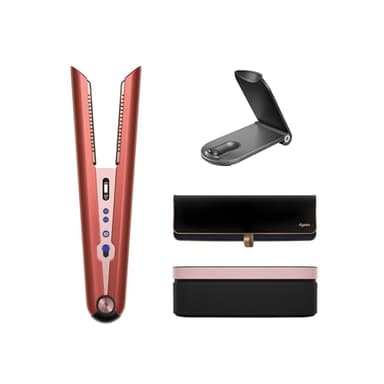
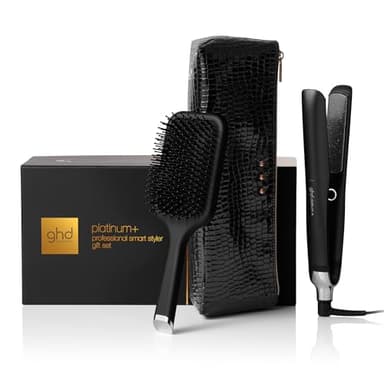
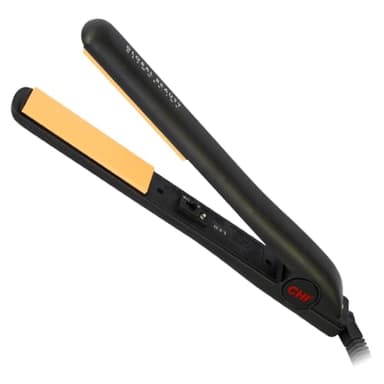
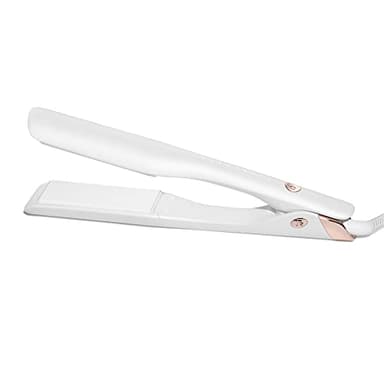
How to choose the right hair straighteners
Key Features to Look For
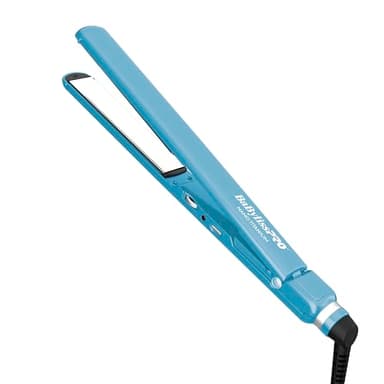
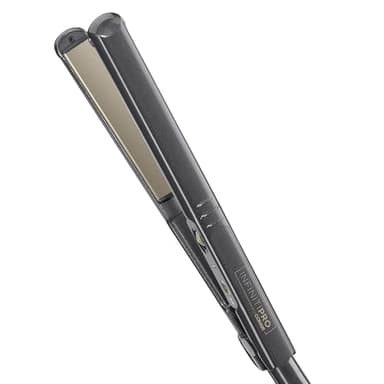
When selecting a hair straightener, consider plate material, temperature settings, and plate size. Ceramic plates offer even heat distribution, reducing hot spots and minimizing damage, while titanium heats up quickly and maintains high temperatures, ideal for thick or coarse hair. Tourmaline is often infused with ceramic to enhance smoothness and reduce frizz. Adjustable temperature settings are crucial for customizing heat to your hair type, preventing unnecessary damage. A wider plate size is generally better for long or thick hair, while narrower plates are excellent for short hair, bangs, or creating curls and waves.
Types and Formats of Hair Straighteners
Hair straighteners primarily come in flat iron form, but variations exist. Standard flat irons are the most common, featuring two heated plates that clamp down on hair. Cordless straighteners offer portability and convenience, perfect for travel or quick touch-ups, though they typically have shorter battery life and may not reach the highest temperatures. Some innovative designs, like airflow stylers, combine straightening with cooling air to set styles. Wet-to-dry straighteners are designed for use on damp hair, potentially saving time, but it's important to ensure your hair is not dripping wet to avoid damage.
Sizing and Compatibility
The ideal plate size depends on your hair length and thickness, as well as your desired style. For short hair, bangs, or precise styling, a 1-inch plate or narrower is usually best. Medium to long hair often benefits from 1-inch to 1.5-inch plates, offering a good balance for both straightening and creating waves. For very long, thick, or coarse hair, plates wider than 1.5 inches can significantly reduce styling time. Consider also the overall weight and ergonomic design for comfortable handling, especially if you have a lot of hair to style.
Budget Tiers Explained
Hair straighteners are available across a wide range of price points. Entry-level models typically feature basic ceramic plates and fewer temperature settings, suitable for occasional use or those with less demanding hair types. Mid-range options often include advanced ceramic or tourmaline plates, faster heat-up times, and more precise temperature controls, offering a good balance of performance and value. High-end straighteners incorporate premium materials like titanium, smart technology for heat regulation, and cordless designs, catering to professional use or individuals seeking the ultimate styling experience and durability.
Common Mistakes to Avoid
One common mistake is using a straightener on wet hair, which can cause severe damage. Always ensure hair is completely dry unless using a specifically designed wet-to-dry model. Another error is neglecting heat protectant spray; this crucial step shields hair from high temperatures. Using too high a temperature setting for your hair type can lead to breakage and dryness, so always start low and increase as needed. Finally, passing the straightener over the same section of hair multiple times can cause unnecessary stress; one or two slow, even passes are usually sufficient.
Frequently asked questions
What's the best plate material for my hair type?
Ceramic plates are excellent for fine to medium hair, offering even heat to prevent damage. Titanium plates heat up faster and are more durable, making them ideal for thick, coarse, or curly hair. Tourmaline-infused ceramic plates are great for reducing frizz and adding shine to most hair types.
Can I use a hair straightener on wet hair?
Unless your straightener is specifically designed as a 'wet-to-dry' model, you should never use it on wet hair. Using a standard straightener on wet hair can cause severe damage, including breakage, sizzling, and loss of moisture, leading to dull and unhealthy-looking hair.
What temperature should I use for straightening my hair?
The ideal temperature depends on your hair type. Fine or damaged hair typically requires lower temperatures (around 250-300°F), while medium hair can handle moderate heat (300-375°F). Thick or coarse hair may need higher temperatures (375-410°F). Always start with the lowest effective temperature to minimize heat damage.
How often can I straighten my hair without causing damage?
Frequent heat styling can lead to damage. It's generally recommended to limit straightening to 2-3 times a week at most. Always use a heat protectant spray, maintain the lowest effective temperature, and give your hair breaks from heat styling to help preserve its health and integrity.
Are cordless hair straighteners as effective as corded ones?
Cordless straighteners offer unparalleled portability and convenience. While many models are powerful enough for touch-ups and quick styling, some may not reach the same high temperatures or maintain heat as consistently as their corded counterparts, especially for very thick or long hair. Battery life is also a key consideration.