
How to choose the right headphones & earbuds
Key Features to Look For
When selecting headphones or earbuds, consider several critical features. Sound quality is paramount, often influenced by driver size and audio codecs supported. Noise cancellation, whether active (ANC) or passive, can dramatically improve your listening experience in noisy environments. Comfort is also crucial, especially for extended use, so pay attention to ear cup material, headband design, and overall weight. Battery life is a significant factor for wireless models, as is connectivity, with Bluetooth versions impacting range and stability. Finally, built-in microphones are important for calls and voice assistant integration.
Types and Formats Explained
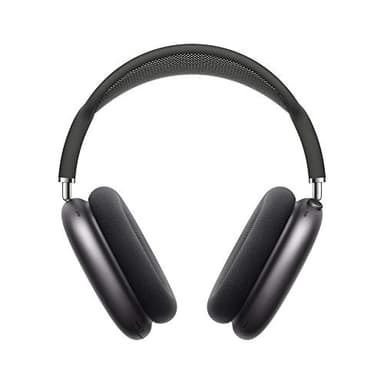
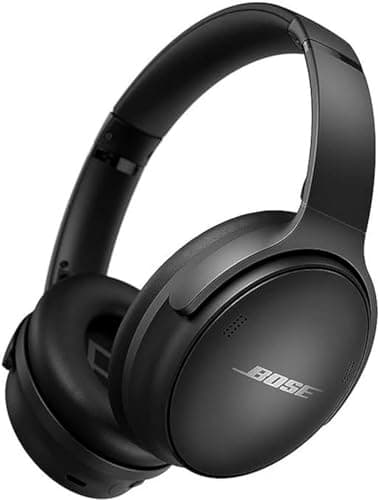
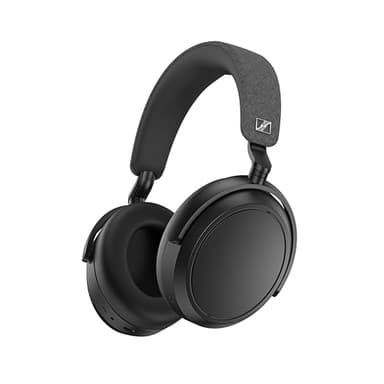
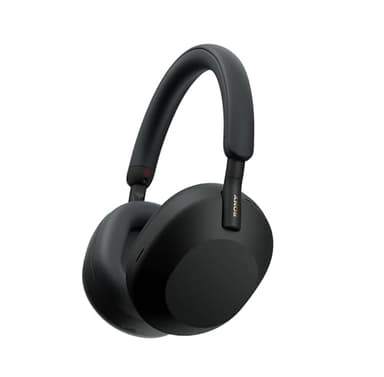
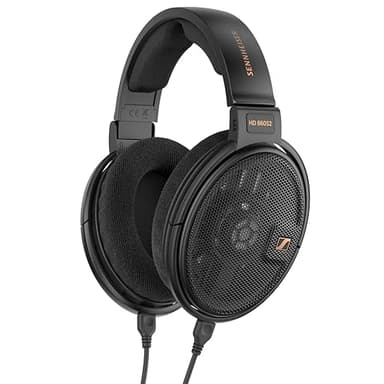
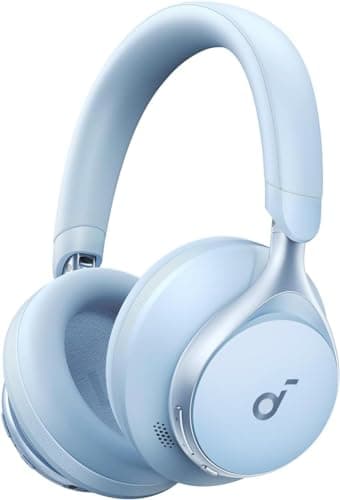
Headphones and earbuds come in various forms, each with distinct advantages. Over-ear headphones offer immersive sound and often superior noise isolation, ideal for home or travel. On-ear headphones are typically more compact than over-ear models, balancing portability with decent sound. In-ear monitors (IEMs) and true wireless earbuds are highly portable and discreet, perfect for active lifestyles or commuting. Open-back headphones, a specialized type, provide a natural, spacious soundstage but offer little noise isolation, making them best suited for quiet listening environments.
Sizing and Compatibility
Sizing is particularly important for comfort and sound quality. For over-ear and on-ear headphones, ensure the earcups fit comfortably around or on your ears without excessive pressure. Adjustable headbands are key for a good fit. For in-ear earbuds, different sized ear tips are usually provided to create a proper seal, which is essential for bass response and noise isolation. Compatibility refers to how well the headphones work with your devices. Most modern headphones use Bluetooth for wireless connection, but check for specific codecs like aptX or LDAC if high-resolution audio is a priority for your source device.
Understanding Budget Tiers
Headphones and earbuds are available across a wide range of price points, generally reflecting differences in build quality, advanced features, and audio fidelity. Entry-level options often provide basic functionality and acceptable sound for casual listening. Mid-range models typically introduce better materials, improved sound profiles, and features like active noise cancellation or longer battery life. Premium and audiophile-grade headphones represent the pinnacle of audio engineering, offering superior sound clarity, advanced noise cancellation, and luxurious build materials, catering to discerning listeners who prioritize the ultimate audio experience.
Common Mistakes to Avoid
One common mistake is prioritizing brand over actual features or personal needs. Don't assume a popular brand is automatically the best fit for you. Another error is neglecting comfort; uncomfortable headphones will quickly become unused. Failing to consider your primary use case is also a pitfall; a gym-goer needs different features than a home audiophile. Lastly, not testing the fit, especially for in-ear models, can lead to poor sound quality and discomfort. A proper seal is crucial for optimal audio performance and noise isolation with earbuds.
Frequently asked questions
What is active noise cancellation (ANC)?
ANC technology uses microphones to detect external sounds and then generates an inverse sound wave to cancel them out. This significantly reduces ambient noise, making it ideal for travel or noisy environments, allowing for a more immersive listening experience.
Are wired or wireless headphones better?
Neither is inherently 'better'; it depends on your priorities. Wired headphones often offer superior sound quality without compression and no battery concerns. Wireless headphones provide freedom of movement and convenience, but may have slight audio latency and require charging.
How important is battery life for wireless headphones?
Battery life is very important for wireless headphones, especially if you plan to use them for extended periods or while traveling. Look for models offering at least 20 hours of playback for over-ear headphones and 5-8 hours for earbuds, with additional charges from their case.
What's the difference between over-ear and on-ear headphones?
Over-ear headphones fully enclose your ears, providing better passive noise isolation and often more comfortable for long sessions. On-ear headphones rest directly on your ears, generally being more compact and portable but offering less isolation and potentially less comfort over time.
Can I use my headphones for gaming?
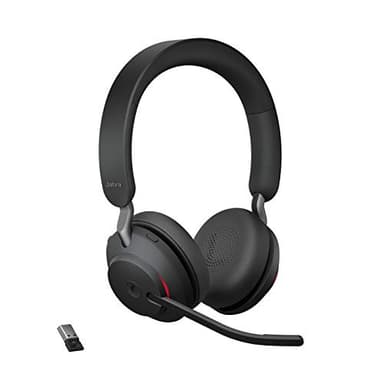
Yes, many headphones can be used for gaming. Look for models with a clear microphone for communication and a comfortable fit for long sessions. Some gaming-specific headsets offer features like virtual surround sound and lower latency wireless connections.