
How to choose the right health & beauty
Key Features to Look For
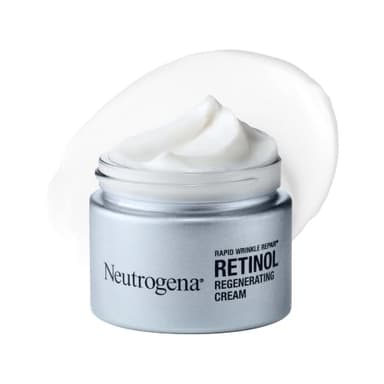
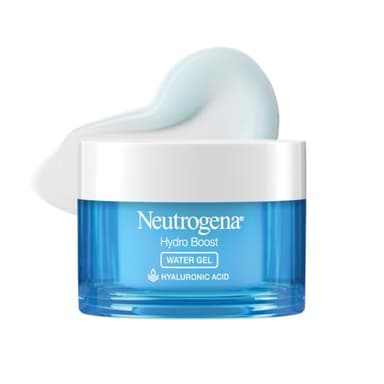
When selecting health and beauty products, consider ingredients, formulation, and intended benefits. For skincare, look for active ingredients like retinol for anti-aging or hyaluronic acid for hydration, ensuring they suit your skin type (oily, dry, sensitive, combination). For grooming tools, durability, ease of use, and specific functionalities like multiple settings or blade types are crucial. Always check for hypoallergenic or non-comedogenic labels if you have sensitivities. Product packaging can also indicate features like UV protection for creams or ergonomic design for tools, contributing to overall effectiveness and user experience.
Types and Formats
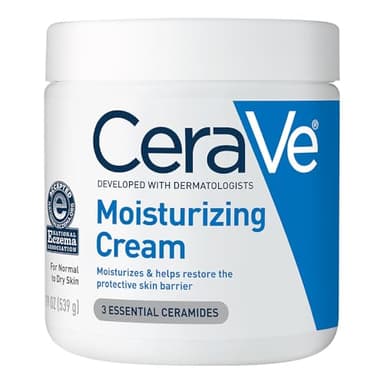
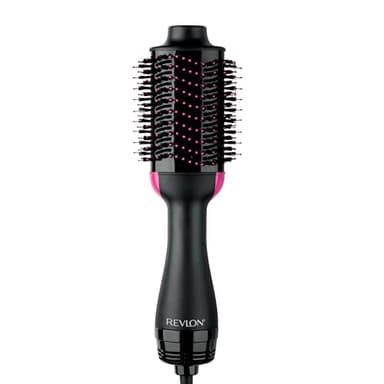
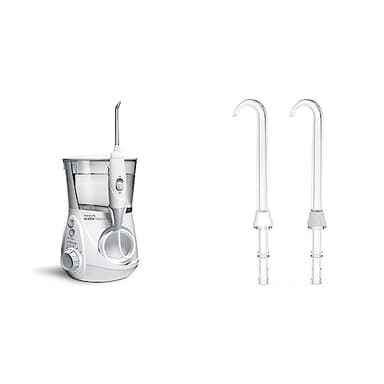
Health and beauty products come in a wide array of types and formats, each suited for different applications. Skincare, for instance, includes creams, serums, gels, and oils, with each offering distinct textures and absorption rates. Cleansing tools range from manual brushes to electric devices with various pulsation patterns. Hair styling tools can be brushes, dryers, or multi-functional volumizers. Oral care products extend beyond toothbrushes to include water flossers for comprehensive cleaning. Understanding these different formats helps you select products that integrate seamlessly into your routine and address your specific concerns effectively.
Sizing or Compatibility
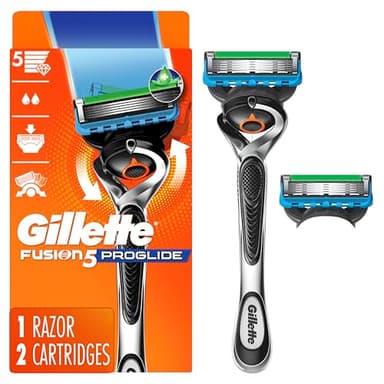
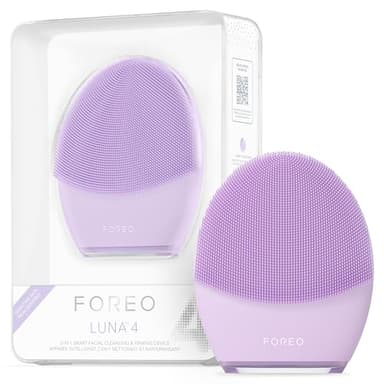
Compatibility is particularly important for health and beauty tools and refillable products. For razors, ensure you purchase the correct blade refills for your specific handle model. Facial cleansing brushes often have different brush heads designed for various skin types or concerns, so verify compatibility with your device. Skincare product sizes can vary significantly, from travel-friendly minis to large economy tubs; choose based on frequency of use and storage space. While most skincare is universally sized, some devices might require specific charging cables or replacement parts, so always check product specifications.
Budget Tiers Explained
Health and beauty products are available across a broad spectrum of price points, generally falling into three tiers. Entry-level options are typically accessible and widely available, focusing on basic efficacy with common ingredients. Mid-range products often feature more specialized ingredients, slightly more advanced formulations, or enhanced tool features, offering a good balance of quality and value. High-end or premium products usually boast innovative technologies, rare or highly concentrated ingredients, luxurious textures, or advanced device functionalities, catering to specific concerns with a more indulgent experience. Your budget tier choice depends on your priorities and desired results.
Common Mistakes to Avoid
A common mistake is not patch-testing new products, especially skincare, which can lead to adverse reactions. Another error is using products incorrectly, such as applying too much, too little, or at the wrong step in a routine. Ignoring your skin or hair type when choosing products is also frequent; a product designed for oily skin won't perform well on dry skin. For devices, neglecting maintenance, like not cleaning brush heads or replacing razor blades, can reduce effectiveness and hygiene. Finally, having unrealistic expectations about immediate results can lead to disappointment; consistency is key for most health and beauty regimens.
Frequently asked questions
How often should I replace my razor blades?
For optimal performance and hygiene, it's generally recommended to replace razor blades after 5-7 uses. However, this can vary based on hair thickness and frequency of shaving. If you notice tugging, irritation, or dullness, it's definitely time for a fresh blade.
Can I use facial cleansing brushes daily?
Many facial cleansing brushes are designed for daily use, but it depends on your skin type and the brush's intensity settings. If you have sensitive skin, you might prefer using it a few times a week. Always follow the manufacturer's instructions and observe how your skin reacts.
What's the difference between a cream and a gel moisturizer?
Creams are typically thicker and richer, providing intense hydration and often containing more oils, making them suitable for dry or mature skin. Gel moisturizers are lighter, water-based, and absorb quickly, ideal for oily, combination, or acne-prone skin that needs hydration without heaviness.
Is a water flosser better than traditional string floss?
Water flossers are excellent for removing plaque and food particles between teeth and below the gumline, especially for those with braces, implants, or gum disease. While not a complete replacement for string floss for everyone, they offer a highly effective and often preferred alternative for many to improve oral hygiene.
How long does it take to see results from anti-aging skincare products?
Results from anti-aging skincare products can vary significantly depending on the product, ingredients, and individual skin. Generally, it can take anywhere from 4 to 12 weeks of consistent use to notice visible improvements in fine lines, wrinkles, and skin texture. Patience and regular application are key.