


How to choose the right humidifiers
Types of Humidifiers
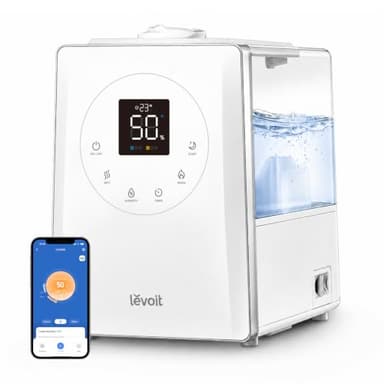
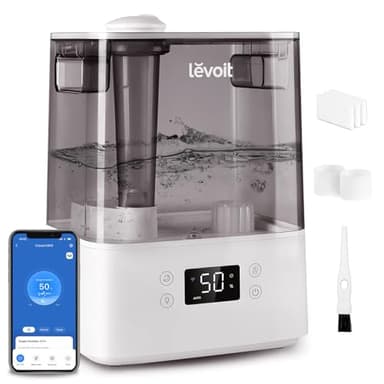
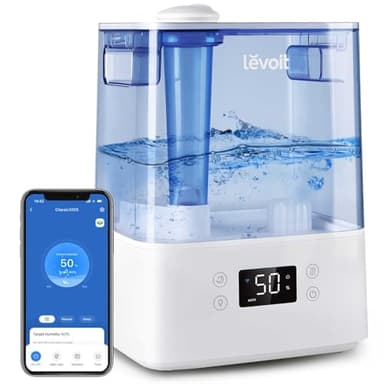
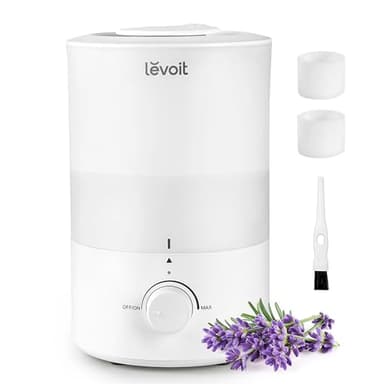
Humidifiers primarily come in a few main types. Cool mist humidifiers, often ultrasonic, use high-frequency vibrations to produce a fine, cool mist, making them safe for children's rooms as there's no heating element. Warm mist humidifiers boil water to create steam, which can be soothing for cold symptoms and is naturally sterile. Evaporative humidifiers use a fan to blow air through a wet wick filter, releasing invisible moisture into the air. Lastly, whole-house humidifiers integrate with your HVAC system to humidify your entire home, offering comprehensive coverage but requiring professional installation.
Sizing and Room Compatibility
Choosing the right size humidifier for your space is crucial for effective humidification. Manufacturers typically specify the square footage a humidifier is designed to cover, ranging from small personal units for desks to large-room or whole-house models. Using a humidifier that's too small for a large room will be ineffective, while one that's too powerful for a small space can lead to excessive humidity, potentially causing mold or mildew. Always check the recommended room size on the product specifications to ensure optimal performance and avoid issues.
Understanding Budget Tiers
Humidifier prices vary widely, generally falling into entry-level, mid-range, and premium tiers. Entry-level models are typically basic cool mist or evaporative units with smaller capacities and fewer features, suitable for personal use or small rooms. Mid-range humidifiers offer a balance of features, capacity, and performance, often including larger tanks, humidistats, and sometimes warm mist options. Premium humidifiers boast advanced features like smart connectivity, air purification, larger coverage areas, and sophisticated designs, catering to those seeking maximum convenience and comprehensive humidification for larger spaces.
Common Humidifier Mistakes
One common mistake is neglecting regular cleaning, which can lead to mold, mildew, and bacteria growth, releasing unhealthy particles into the air. Always follow the manufacturer's cleaning instructions. Another error is over-humidifying a room, which can cause condensation, dampness, and damage to furniture or electronics; aim for a humidity level between 30-50%. Using tap water instead of distilled water can result in white dust (mineral deposits) and reduce the humidifier's lifespan. Finally, placing the humidifier incorrectly, such as too close to walls or electronics, can hinder its effectiveness and cause damage.
Frequently asked questions
What is the ideal humidity level for a home?
The ideal indoor humidity level typically ranges between 30% and 50%. Maintaining this range helps prevent issues like dry skin, irritated sinuses, static electricity, and can also protect wooden furniture from cracking. Too high humidity can lead to mold growth, while too low can cause discomfort.
How often should I clean my humidifier?
You should clean your humidifier every 1-3 days, depending on usage, and perform a deeper cleaning weekly. Regular cleaning prevents the buildup of mold, bacteria, and mineral deposits, ensuring the mist released is clean and healthy. Always refer to your specific model's instructions for best practices.
Can humidifiers help with allergies or asthma?
Humidifiers can sometimes help alleviate symptoms of allergies and asthma by keeping nasal passages and throats moist, which can reduce irritation. However, it's crucial to keep the humidifier clean to avoid releasing allergens like mold spores into the air, which could worsen symptoms. Consult a doctor for personalized advice.
Is distilled water necessary for humidifiers?
While not always strictly necessary, using distilled water is highly recommended, especially for ultrasonic humidifiers. Tap water contains minerals that can create a fine white dust (mineral dust) that settles on surfaces and can be inhaled. Distilled water reduces this issue and can extend the life of your humidifier.
Where is the best place to put a humidifier in a room?
Place your humidifier on a flat, water-resistant surface at least a few feet away from walls, furniture, and electronics to prevent moisture damage. Avoid placing it directly on the floor where it might draw in dust. Central locations in the room often provide the most even distribution of mist.