
How to choose the right instant cameras
Key Features to Look For
When choosing an instant camera, consider film format and size, as this dictates the final print. Larger prints offer more detail, while smaller ones are great for wallets or scrapbooks. Look for features like automatic exposure for consistent results in various lighting conditions. Some cameras offer creative modes such as double exposure, or built-in mirrors for easier selfies. Hybrid instant cameras combine digital sensors with instant printing, allowing you to edit and select photos before printing, which can save on film costs. Connectivity options like Bluetooth can also enhance functionality, enabling remote shutter control or printing from your phone.
Types and Formats of Instant Cameras
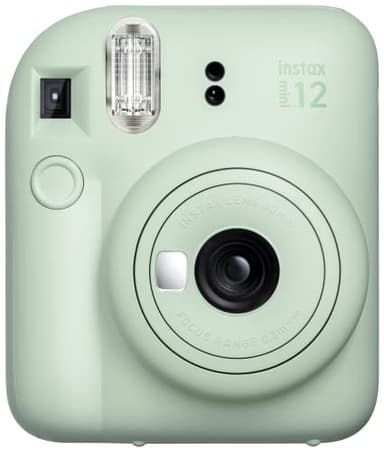
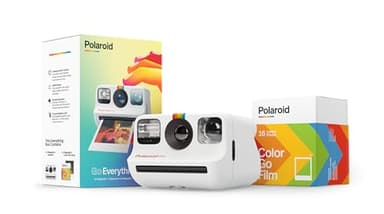
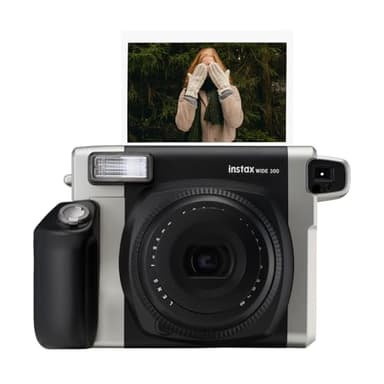
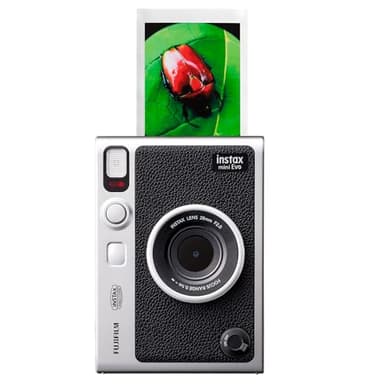
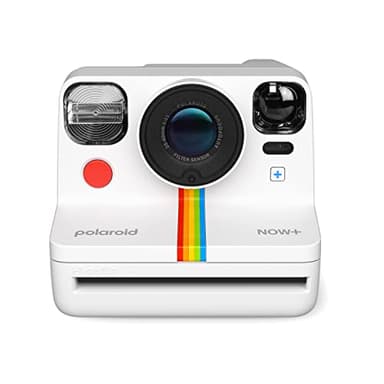
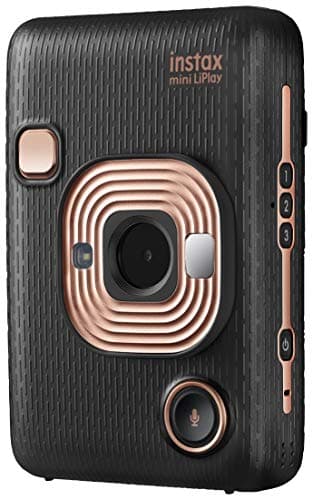
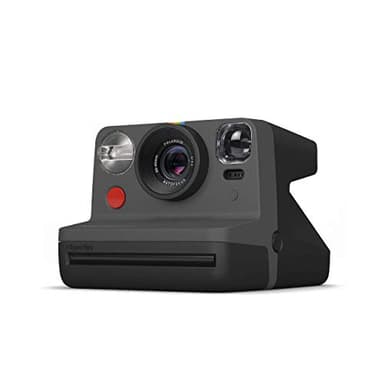
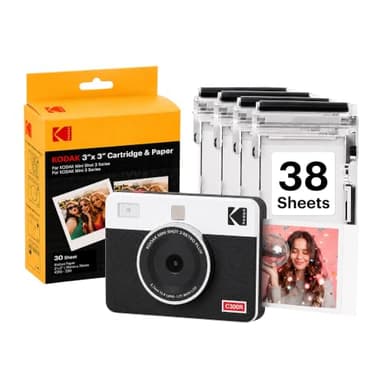
Instant cameras broadly fall into two categories: analog and hybrid. Analog instant cameras operate much like traditional film cameras, capturing and developing an image directly onto instant film. These offer a classic, unpredictable charm. Hybrid instant cameras, on the other hand, feature a digital sensor, allowing you to preview, edit, and select which photos to print. This provides more control and can reduce wasted film. Film formats vary significantly, including wide, square, and mini sizes from brands like Fujifilm Instax and Polaroid, each offering a distinct aesthetic and print dimension. Kodak also offers its own unique film types.
Sizing and Compatibility
Instant camera sizing primarily refers to the physical dimensions of the camera itself and, more importantly, the size of the instant film it uses. Film compatibility is crucial; a camera designed for Instax Mini film will not work with Polaroid i-Type film, and vice-versa. Always check the film type required for your chosen camera. Camera body sizes also vary, with some being compact enough for a pocket, while others are larger and more robust. Consider how you plan to carry and use your camera to determine the best physical size for your needs.
Budget Tiers Explained
Instant cameras are available across several budget tiers, generally reflecting features and film type. Entry-level models typically offer basic point-and-shoot functionality with automatic exposure and smaller film formats, making them accessible for casual use. Mid-range cameras often introduce more advanced features like manual controls, creative modes, or hybrid digital capabilities, providing greater flexibility. High-end instant cameras or premium hybrid models might include advanced digital editing, smartphone connectivity, and larger, more expensive film formats, catering to enthusiasts seeking more control and versatility in their instant photography experience.
Common Mistakes to Avoid
A common mistake is forgetting to factor in the ongoing cost of instant film, which can add up quickly. Always check film prices and availability before committing to a camera. Another error is not understanding the camera's specific film type; film is not universally interchangeable between brands or even different models within the same brand. Over-exposing or under-exposing photos due to unfamiliarity with lighting conditions is also frequent, so take time to learn your camera's exposure settings. Finally, don't forget to keep spare batteries or ensure your camera is charged, as instant cameras can consume power rapidly.
Frequently asked questions
How long do instant camera photos take to develop?
Most instant photos develop within 5-15 minutes after ejection. The exact time can vary depending on the film type, brand, and ambient temperature. For best results, avoid shaking the photo and let it develop face down in a warm, dark place.
Can I reuse instant camera film cartridges?
No, instant camera film cartridges are designed for single use. Once all the photos in a pack have been exposed and ejected, the cartridge is empty and cannot be reloaded or reused. You'll need to purchase new film packs.
What's the difference between analog and hybrid instant cameras?
Analog instant cameras directly expose and develop film, offering a traditional, spontaneous experience. Hybrid instant cameras have a digital sensor, allowing you to preview, edit, and select photos before printing, offering more control and reducing wasted film.
How should I store instant camera photos?
To preserve your instant photos, store them in a cool, dry place away from direct sunlight and extreme temperatures. Albums, archival boxes, or photo sleeves are ideal. Avoid bending or creasing the prints, as this can damage the emulsion.
Are instant cameras good for beginners?
Yes, many instant cameras are very beginner-friendly, especially basic point-and-shoot models. They often feature automatic exposure and simple controls, making them easy to pick up and start using right away without extensive photography knowledge.