
How to choose the right luggage
Key Features to Look For
When selecting luggage, consider wheel type; spinner wheels offer 360-degree mobility, while two-wheel rollaboards are often more durable on uneven surfaces. Handle quality is crucial for comfort and longevity; look for sturdy, multi-stage telescoping handles. Interior organization, such as compression straps, dividers, and pockets, helps keep belongings secure and tidy. External pockets can be convenient for quick access to essentials. Zipper quality, often indicated by self-repairing or YKK brands, is vital for security and durability. Finally, consider built-in TSA-approved locks for added peace of mind.
Types and Formats of Luggage
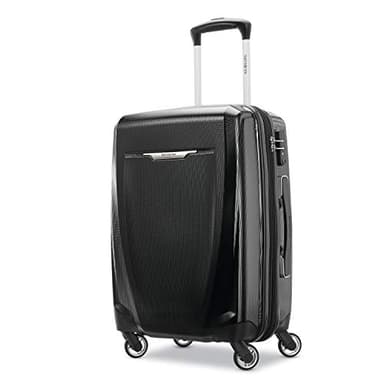
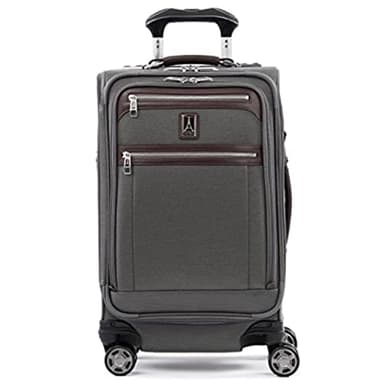
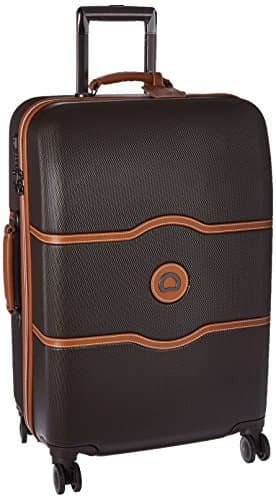
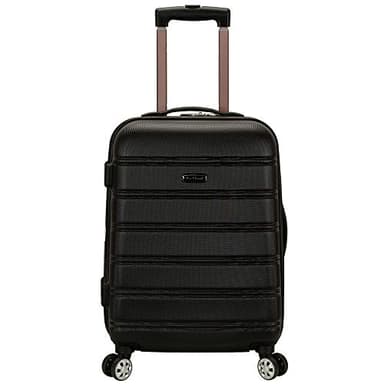
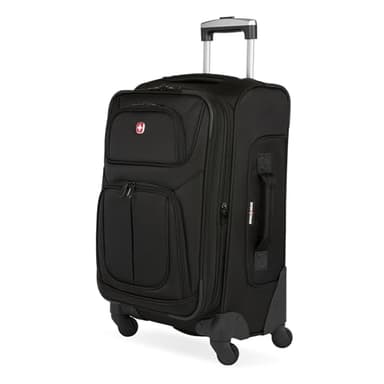
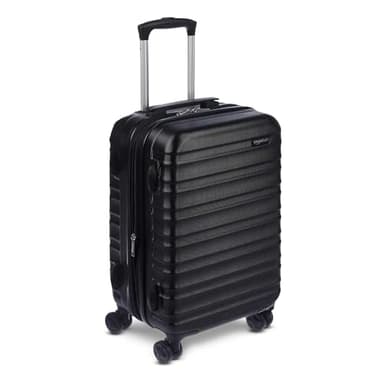
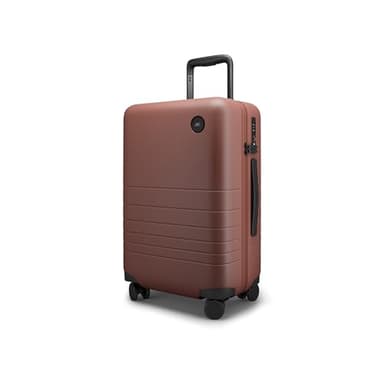
Luggage primarily comes in two main formats: hardside and softside. Hardside luggage, typically made from polycarbonate or ABS, offers excellent protection for fragile contents and is generally more water-resistant. However, it can be less flexible and prone to scratching. Softside luggage, often made from nylon or polyester, is more flexible, allowing for overpacking and usually features external pockets for easy access. It tends to be lighter but offers less impact protection. Within these formats, you'll find carry-ons, checked bags, duffels, and garment bags, each suited for different travel styles and trip durations.
Sizing and Compatibility
Luggage sizing is critical, especially for carry-on bags, which must adhere to airline restrictions. Standard carry-on dimensions are typically around 22 x 14 x 9 inches, including wheels and handles, but always check with your specific airline. Checked luggage sizes vary more, but most airlines have maximum linear dimensions (length + width + height) and weight limits. Consider the length of your trip and the amount you plan to pack. A weekend trip might only require a carry-on, while longer vacations or family travel will likely necessitate larger checked bags or multiple pieces.
Budget Tiers Explained
Luggage is available across a wide range of price points. Entry-level options often use basic materials like ABS plastic for hardsides or simpler polyester for softsides, offering essential functionality suitable for occasional travel. Mid-range luggage typically features more durable materials like polycarbonate or ballistic nylon, better components like smoother wheels and stronger zippers, and enhanced organizational features. Premium luggage often uses advanced materials, includes sophisticated features like integrated power banks or GPS trackers, and comes with extensive warranties, catering to frequent travelers who prioritize durability, style, and advanced functionality.
Common Mistakes to Avoid
One common mistake is buying luggage that's too heavy before you even pack, which can lead to overweight bag fees. Another is not checking airline size restrictions for carry-ons, resulting in unexpected gate-checking. Overlooking zipper quality can lead to frustrating failures mid-trip. Many travelers also forget to consider the type of travel they do most; a hardside might be great for protecting fragile items, but a softside could be more practical for road trips with limited trunk space. Finally, neglecting warranty information can leave you without recourse if your luggage fails prematurely.
Frequently asked questions
What's the difference between hardside and softside luggage?
Hardside luggage offers better protection for fragile items and is more water-resistant, but can be less flexible. Softside luggage is more adaptable for overpacking and often has external pockets, though it provides less impact protection.
How do I choose the right size luggage?
Consider the length of your trip and airline restrictions. For short trips, a carry-on is often sufficient. Longer trips or family travel usually require larger checked bags. Always check specific airline dimensions for carry-ons.
Are spinner wheels better than two-wheel rollaboards?
Spinner wheels offer 360-degree mobility, making them easier to maneuver in tight spaces. Two-wheel rollaboards are generally more durable on uneven surfaces and can offer more packing space due to less wheel housing.
What features are important for luggage durability?
Look for strong materials like polycarbonate or ballistic nylon, YKK zippers, sturdy telescoping handles with minimal wobble, and robust wheels. A good warranty can also indicate manufacturer confidence in durability.
Can I use any luggage as a carry-on?
No, carry-on luggage must meet specific size and weight restrictions set by individual airlines. Always measure your bag, including wheels and handles, and check your airline's current guidelines before flying to avoid issues.