
How to choose the right cameras
Key Features to Look For
When choosing a mirrorless camera, consider sensor size, as full-frame sensors generally offer better low-light performance and dynamic range compared to APS-C or Micro Four Thirds. Megapixels are important for detail, but more isn't always better; focus on a balance that suits your printing or display needs. Autofocus performance, including speed and tracking capabilities, is crucial for capturing moving subjects. Look for cameras with good in-body image stabilization (IBIS) to reduce blur from camera shake. Video capabilities, such as 4K resolution and frame rates, are also key if you plan to shoot video. Finally, evaluate the available lens ecosystem for your chosen brand.
Types and Formats Explained
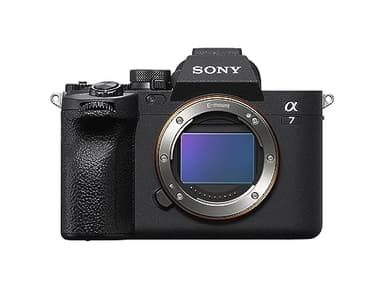
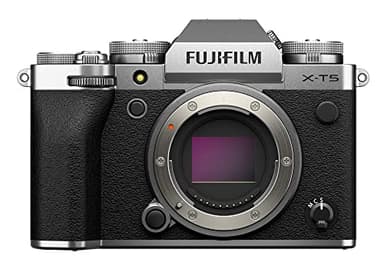
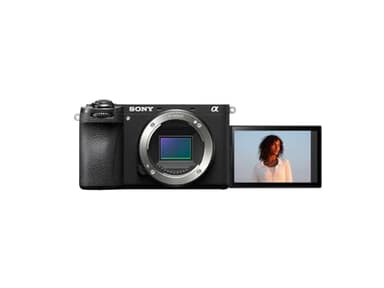
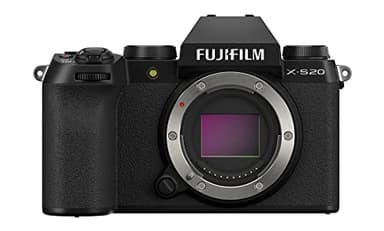
Mirrorless cameras primarily come in three sensor formats: full-frame, APS-C, and Micro Four Thirds. Full-frame cameras, like the Sony Alpha 7 IV, offer the largest sensors, providing excellent image quality, shallow depth of field, and superior low-light performance, often at a higher cost. APS-C cameras, such as the Fujifilm X-S20, strike a balance between sensor size, portability, and price, making them popular for enthusiasts. Micro Four Thirds cameras, while not represented in our picks, feature smaller sensors, leading to more compact bodies and lenses, ideal for travel and vlogging. Each format has its own lens mount, so lenses are generally not interchangeable between different sensor types or brands.
Sizing and Compatibility
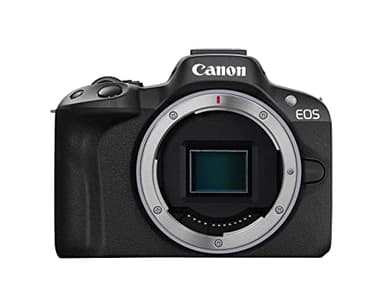
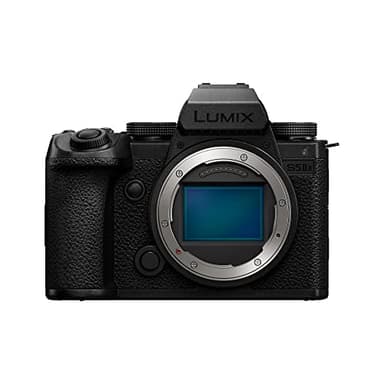
Mirrorless cameras vary significantly in size and weight, from compact APS-C models like the Canon EOS R50 to larger full-frame bodies such as the Panasonic LUMIX S5IIX. Consider how the camera feels in your hands and if its size suits your shooting style and portability needs. Compatibility primarily revolves around lens mounts. Each brand, and sometimes even different sensor formats within a brand, uses a specific lens mount (e.g., Sony E-mount, Canon RF-mount, Fujifilm X-mount, Nikon Z-mount, L-mount for Panasonic). This means lenses are generally not interchangeable between brands without adapters, which can sometimes limit functionality. Check the availability and cost of lenses for your chosen system.
Budget Tiers for Mirrorless Cameras
Mirrorless cameras span a wide range of price points, generally categorized into entry-level, mid-range, and professional tiers. Entry-level cameras are suitable for beginners or those on a tighter budget, offering good image quality and essential features without advanced controls. Mid-range cameras provide a significant upgrade in performance, build quality, and features, appealing to serious enthusiasts and semi-professionals. Professional-grade cameras offer the highest performance, durability, and advanced features for demanding users, often including full-frame sensors and robust video capabilities. Remember that the cost of lenses and accessories should also be factored into your overall budget, as these can often exceed the camera body's price.
Common Mistakes to Avoid
One common mistake is overemphasizing megapixels without considering sensor size or lens quality; a high megapixel count on a small sensor might not yield better results than a lower count on a larger sensor. Another error is neglecting the importance of the lens ecosystem; a great camera body is limited without a good selection of lenses. Don't forget to factor in the cost of essential accessories like extra batteries, memory cards, and protective bags. Lastly, avoid buying a camera based solely on brand loyalty without evaluating if it truly meets your specific needs and shooting style. Researching user reviews and sample images can also prevent disappointment.
Frequently asked questions
What is the main advantage of a mirrorless camera over a DSLR?
Mirrorless cameras are generally more compact and lighter than DSLRs due to the absence of a mirror box. They also offer electronic viewfinders that show a real-time preview of your exposure and settings, and often have more advanced autofocus systems, especially for video.
Do mirrorless cameras have interchangeable lenses?
Yes, most mirrorless cameras feature interchangeable lenses, allowing you to choose from a wide range of prime, zoom, and specialty lenses to suit different photographic needs. Each brand typically has its own lens mount system.
Is a full-frame mirrorless camera always better than an APS-C?
Not necessarily. Full-frame cameras generally offer better low-light performance and dynamic range, but APS-C cameras are often more affordable, lighter, and have a 'crop factor' that can be advantageous for telephoto shooting. The 'best' choice depends on your specific needs and budget.
What is in-body image stabilization (IBIS) and do I need it?
IBIS is a system that moves the camera's sensor to counteract camera shake, helping to produce sharper images and smoother video, especially in low light or with non-stabilized lenses. It's a highly beneficial feature for many photographers and videographers.
Can I use older DSLR lenses on a mirrorless camera?
Often, yes, but you will typically need an adapter. The compatibility and functionality (like autofocus speed) can vary significantly depending on the specific camera, adapter, and lens combination. It's important to research adapter options for your chosen system.