

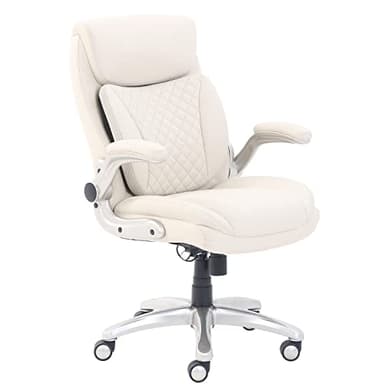
How to choose the right office chairs
Key Features to Look For
When selecting an office chair, prioritize adjustability. Look for chairs with adjustable seat height, armrests (height, depth, and pivot), backrest tilt with tension control, and lumbar support. Lumbar support, especially dynamic or adjustable, is crucial for maintaining the natural curve of your spine. Material quality impacts both comfort and durability; breathable mesh, supportive foam, and durable upholstery are common options. Consider the chair's base and casters for stability and mobility, ensuring they suit your flooring. Finally, a good warranty can offer peace of mind regarding your investment.
Types of Office Chairs
Office chairs come in several main types, each with distinct characteristics. Ergonomic chairs are designed for maximum adjustability and support, promoting good posture during long work sessions. Executive chairs often feature plush padding, high backs, and luxurious materials, prioritizing comfort and a professional aesthetic. Task chairs are typically more compact and basic, suitable for shorter periods of use or smaller workspaces. Gaming chairs, while often ergonomic, feature a distinct style and sometimes include additional features like recline and headrests, catering to gamers but also used in office settings. Stools and standing desk chairs offer alternative seating options for dynamic workspaces.
Sizing and Compatibility
Proper sizing is paramount for an office chair to be effective. Most chairs are designed for a standard range of body types, but many brands offer different sizes (e.g., A, B, C for Herman Miller, or Small, Regular, XL for Secretlab) to accommodate varying heights and weights. Check the manufacturer's specifications for recommended user height and weight limits. Your feet should be flat on the floor with your knees at a 90-degree angle, and your forearms should be parallel to your desk. Adjustable features are key to achieving this fit, so ensure the chair's range of adjustment suits your body dimensions and your desk height.
Understanding Budget Tiers
Office chairs are available across a wide range of price points, generally reflecting the quality of materials, adjustability, and brand reputation. Entry-level chairs typically offer basic adjustments and simpler materials, suitable for occasional use. Mid-range chairs provide more robust construction, better ergonomics, and a wider array of adjustments, making them a solid choice for daily use. High-end or premium chairs feature advanced ergonomic designs, superior materials, extensive adjustability, and often come with longer warranties, representing a significant investment for those seeking top-tier comfort and durability for prolonged daily use.
Common Mistakes to Avoid
One common mistake is prioritizing aesthetics over ergonomics; a stylish chair that doesn't support your body can lead to discomfort and health issues. Another error is neglecting to check the chair's adjustability features, assuming all chairs offer the same level of customization. Not matching the chair's size to your body type is also a frequent oversight, leading to improper posture. Failing to consider the chair's warranty and return policy can be problematic if issues arise. Finally, overlooking the type of flooring your chair will be on can lead to issues with casters, so ensure they are appropriate for carpet or hard floors.
Frequently asked questions
How long should an office chair last?
The lifespan of an office chair varies greatly depending on its quality and usage. A well-made, high-end ergonomic chair can last 10-15 years or more with proper care, while more affordable options might need replacement every 3-5 years. Regular maintenance can also extend a chair's life.
What is lumbar support and why is it important?
Lumbar support refers to the part of the chair that supports the natural inward curve of your lower back. It's crucial for maintaining good posture, reducing strain on your spine, and preventing back pain, especially during long periods of sitting.
Can an office chair improve my posture?
Yes, a properly adjusted ergonomic office chair can significantly improve your posture. It helps by supporting the natural curves of your spine, encouraging you to sit upright, and reducing slouching. However, consistent awareness and adjustment are also key.
Are gaming chairs suitable for office work?
Many gaming chairs offer excellent ergonomic features, including high backs, adjustable armrests, and recline functions, making them suitable for office work. However, some prioritize aesthetics over subtle ergonomic adjustments, so check specific features for office suitability.
How do I properly adjust my office chair?
Start by adjusting the seat height so your feet are flat on the floor and knees are at 90 degrees. Then, adjust the backrest to support your lower back. Set armrests so your elbows are at 90 degrees and shoulders are relaxed. Finally, adjust tilt tension to your preference.