
How to choose the right pet supplies
Key Features to Look For
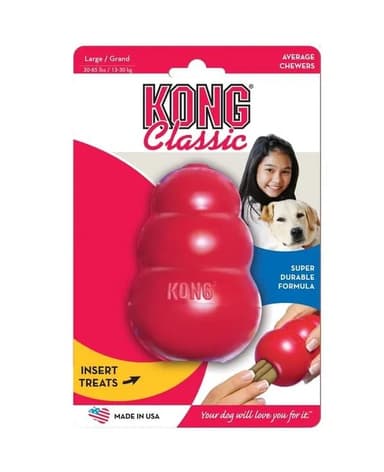
When selecting pet supplies, prioritize durability and safety. Toys should be made from non-toxic materials and be appropriately sized to prevent choking hazards. For feeders and waterers, look for easy-to-clean designs and reliable dispensing mechanisms. Harnesses and leashes need strong, secure buckles and comfortable, adjustable straps. Stain and odor removers should be enzyme-based for effective breakdown of organic matter, and waste bags require leak-proof construction and sufficient thickness to handle their contents. Always consider your pet's specific breed, size, and habits when evaluating features.
Types and Formats of Pet Supplies
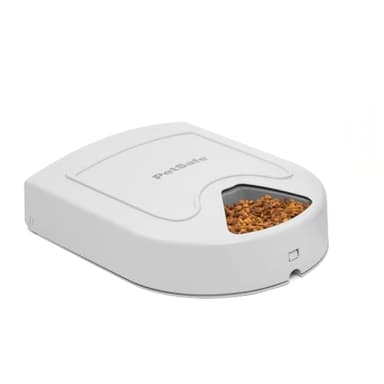
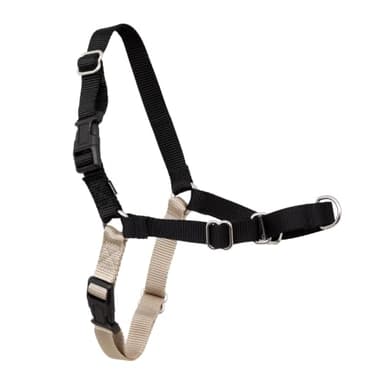
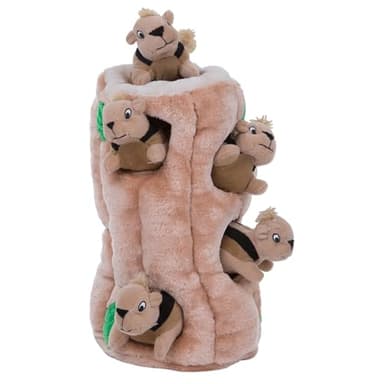
Pet supplies come in many forms to suit diverse needs. Toys range from durable chew toys for active dogs to interactive puzzle toys that stimulate mental engagement. Feeding solutions include basic bowls, automatic feeders with timers for portion control, and slow feeders to prevent rapid eating. For walks, you'll find standard collars, no-pull harnesses, and retractable leashes. Cleaning products encompass enzymatic sprays for accidents, and biodegradable waste bags for responsible disposal. Each type offers specific benefits, so consider your pet's routine and your lifestyle when choosing.
Sizing and Compatibility
Accurate sizing is crucial for many pet supplies, especially harnesses, collars, and apparel. Always measure your pet according to the manufacturer's guidelines, typically around the neck, chest, and length. For toys, ensure they are appropriate for your pet's size and chewing strength to prevent damage or ingestion of small parts. Automatic feeders often specify capacity in ounces or cups, so match this to your pet's daily food intake. Compatibility also extends to your home environment; consider if a product fits your space and integrates with your daily routine.
Budget Tiers Explained
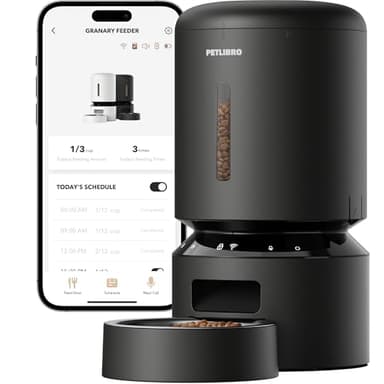
Pet supplies are available across a range of price points, generally reflecting material quality, features, and brand reputation. Entry-level options often provide basic functionality and are suitable for occasional use or pets with less demanding needs. Mid-range products typically offer improved durability, additional features like timers on feeders, or more robust materials for toys and harnesses. Premium-tier items often feature advanced technology, superior construction, and specialized designs, such as smart feeders with app control or highly durable, veterinarian-recommended toys. Investing in higher quality can often lead to greater longevity and better performance.
Common Mistakes to Avoid
A common mistake is buying products that are not size-appropriate, leading to discomfort or safety issues for your pet. Another error is overlooking the material quality; cheap plastics or fabrics can break down quickly or pose health risks. Neglecting to read product reviews for common issues like durability or ease of cleaning can also lead to dissatisfaction. For training aids, using the wrong type of harness or leash can hinder progress. Lastly, underestimating the importance of regular cleaning for feeders and toys can lead to hygiene problems, so choose items that are easy to maintain.
Frequently asked questions
How often should I replace my pet's toys?
Inspect toys regularly for wear and tear. Replace them immediately if they are broken, torn, or have small pieces that could be ingested. Durable chew toys might last longer, but soft toys may need more frequent replacement to ensure safety and hygiene.
What's the best way to clean pet feeders?
Pet feeders should be cleaned daily with warm, soapy water to prevent bacterial growth, especially for wet food. For automatic feeders, follow the manufacturer's instructions, often involving disassembling and washing removable parts. Regular cleaning is vital for your pet's health.
Are no-pull harnesses effective for all dogs?
No-pull harnesses can be very effective for many dogs by discouraging pulling without causing pain. However, effectiveness can vary depending on the dog's breed, temperament, and the consistency of training. Some dogs may respond better to other training methods or tools.
How do enzyme-based cleaners work for pet stains?
Enzyme-based cleaners contain beneficial bacteria that produce enzymes. These enzymes break down organic matter like urine, feces, and vomit into smaller, odorless components. This process effectively eliminates both the visible stain and the underlying odor, discouraging pets from remarking the spot.
Should I choose biodegradable poop bags?
Choosing biodegradable poop bags is a more environmentally conscious option. While they may not decompose as quickly as some claim, they are generally a better choice than traditional plastic bags. Look for bags certified compostable or made from recycled materials for the best impact.