
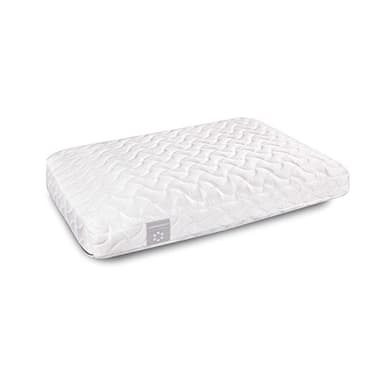
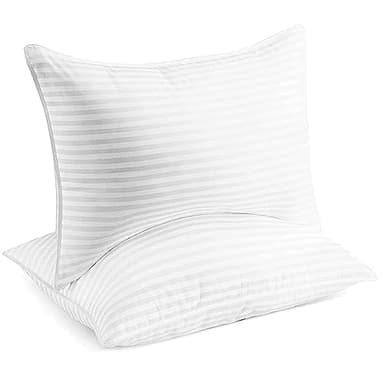
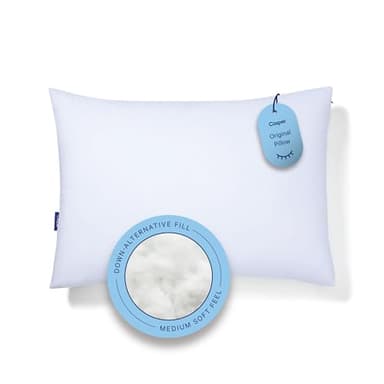
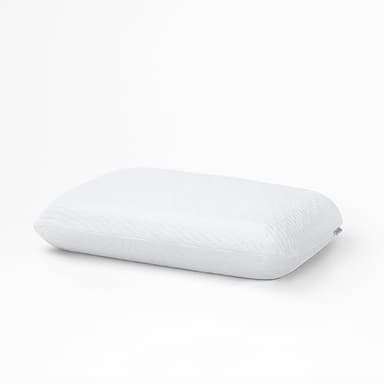
How to choose the right pillows
Key Features to Look For
When selecting a pillow, consider its loft (height), firmness, and fill material. Loft should match your sleeping position to keep your spine aligned; side sleepers generally need higher loft, while stomach sleepers prefer lower. Firmness impacts support and comfort, with options ranging from soft to extra firm. Common fill materials include memory foam for contouring support, down for plushness, and latex for responsiveness and durability. Hypoallergenic properties and ease of cleaning are also important for maintaining a healthy sleep environment.
Types and Formats
Pillows come in various types, each offering distinct benefits. Traditional pillows are rectangular and suitable for most sleepers. Contour pillows are designed with a specific shape to support the neck and head, often favored by those with neck pain. Body pillows provide full-body support, ideal for side sleepers or pregnant individuals. Wedge pillows elevate the head or legs, helpful for acid reflux or circulation issues. Travel pillows offer compact support for on-the-go comfort. Specialty pillows, like those for back sleepers, focus on very specific support needs.
Sizing and Compatibility
Pillow sizes typically correspond to mattress sizes, though personal preference plays a significant role. Standard pillows (20x26 inches) are common and fit most pillowcases. Queen (20x30 inches) and King (20x36 inches) offer more surface area, suitable for larger beds or restless sleepers. Body pillows are much longer, usually around 20x54 inches. Ensure your pillow fits comfortably within your pillowcase to maintain its shape and support. Consider how many pillows you use and how they fit on your bed when choosing sizes.
Budget Tiers Explained
Pillow prices vary widely based on materials, brand, and features. Entry-level pillows often use synthetic fills like polyester, offering basic comfort and support. Mid-range options typically feature higher-quality synthetic blends, shredded memory foam, or down alternatives, providing better durability and more specific support. Premium pillows often utilize specialized materials like solid memory foam, natural latex, or high-quality down, often with advanced features like cooling technology or adjustable fills. Investing more can lead to greater comfort and longevity, but a good pillow can be found at any price point.
Common Mistakes to Avoid
A common mistake is choosing a pillow based solely on softness without considering support needs. A pillow that's too soft or too firm for your sleeping position can lead to neck pain and poor sleep. Another error is neglecting to replace old pillows; over time, pillows lose their shape and support, accumulating allergens. Not checking for hypoallergenic properties if you have allergies is also a frequent oversight. Finally, ignoring return policies can leave you stuck with a pillow that doesn't suit your needs, so always check trial periods.
Frequently asked questions
How often should I replace my pillow?
Most experts recommend replacing your pillow every 1 to 2 years. Over time, pillows accumulate dust mites, allergens, and lose their supportive shape, which can negatively impact your sleep quality and hygiene. If you notice lumps, permanent indentations, or wake up with neck pain, it's likely time for a new one.
What is the best pillow for side sleepers?
Side sleepers generally need a firmer, higher loft pillow to fill the gap between their head and shoulder, keeping the spine aligned. Memory foam, latex, or a firm down-alternative pillow can provide the necessary support to prevent neck strain and ensure proper spinal alignment.
Can a pillow help with neck pain?
Yes, a properly chosen pillow can significantly alleviate neck pain by maintaining correct spinal alignment. Look for a pillow that supports the natural curve of your neck and keeps your head in line with your spine, regardless of your sleeping position. Contour pillows or those with adjustable fill are often good choices.
Are expensive pillows always better?
Not necessarily. While higher-priced pillows often use premium materials and advanced designs, the 'best' pillow is subjective and depends on your individual needs and preferences. A moderately priced pillow that perfectly suits your sleeping style and comfort requirements will be more beneficial than an expensive one that doesn't.
How do I clean my pillow?
Cleaning instructions vary by pillow type. Many pillows, especially those with synthetic fills or down alternatives, can be machine washed on a gentle cycle with mild detergent and tumble dried on low. Memory foam and latex pillows typically cannot be machine washed; spot cleaning or using a removable, washable cover is recommended. Always check the care label.