

How to choose the right chargers
Key Features to Look For
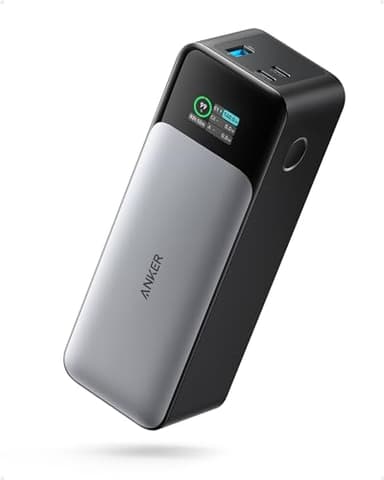
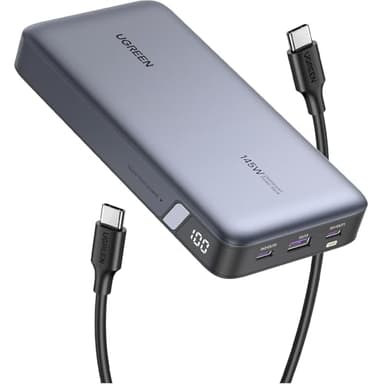
When selecting a portable charger, capacity (measured in mAh) is crucial; higher numbers mean more recharges. Output wattage determines charging speed, with higher wattage supporting faster charging for laptops and quick-charge compatible phones. The number and type of ports (USB-A, USB-C) dictate how many devices you can charge simultaneously and their compatibility. Look for power delivery (PD) for efficient charging of modern devices. Also, consider the charger's physical size and weight, especially if portability is a top priority for your daily carry or travel.
Types and Formats of Portable Chargers
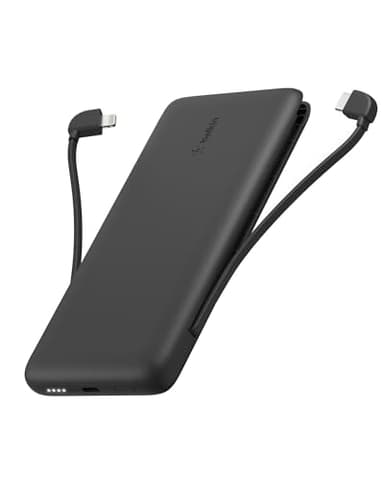
Portable chargers come in various types to suit different needs. Compact, low-capacity models are ideal for a quick smartphone boost and fit easily in a pocket. Mid-range chargers offer more capacity, often enough for multiple phone charges or a tablet, balancing size and power. High-capacity power banks are designed for extended use, capable of charging laptops or multiple devices over several days, though they are typically larger and heavier. Some specialized chargers include features like built-in cables, wireless charging pads, or even AC outlets for small appliances.
Sizing and Compatibility
To determine the right size, consider the mAh capacity of your devices. A portable charger's mAh rating should ideally be 2-3 times that of your primary device for multiple charges. For example, a 10,000mAh power bank can typically charge a 3,000mAh smartphone about 2-3 times. Check the output voltage and amperage of the charger to ensure it matches your device's input requirements, especially for laptops. USB-C Power Delivery (PD) is a common standard for fast charging many modern smartphones, tablets, and even some laptops, so look for this feature for broad compatibility.
Budget Tiers Explained
Portable chargers are available across a range of price points. Entry-level options typically offer lower capacities (under 10,000mAh) and basic charging speeds, suitable for occasional smartphone top-ups. Mid-range chargers provide a good balance of capacity (10,000mAh to 20,000mAh), faster charging capabilities, and more ports, making them versatile for daily use and travel. Premium portable chargers feature very high capacities (20,000mAh and above), advanced fast-charging technologies like high-wattage Power Delivery, and often include multiple ports for charging laptops and multiple devices simultaneously, catering to power users.
Common Mistakes to Avoid
One common mistake is underestimating the capacity needed; always consider how many devices you'll charge and how many times. Another error is neglecting charging speed; a low-wattage charger will be frustratingly slow for modern devices. Don't forget to check port compatibility; ensure the charger has the correct USB-A or USB-C ports for your cables. Overlooking the physical size and weight can lead to an inconveniently bulky charger. Finally, avoid using uncertified or generic cables, as they can hinder charging performance or even damage your devices.
Frequently asked questions
How many times can a portable charger charge my phone?
This depends on the charger's capacity and your phone's battery size. A general rule is to divide the charger's mAh by your phone's mAh. For example, a 10,000mAh charger might fully charge a 3,000mAh phone about 2-3 times, accounting for energy loss.
Can I charge my laptop with a portable charger?
Yes, but only if the portable charger has sufficient wattage output, typically 45W or higher, and supports Power Delivery (PD) via a USB-C port. Check your laptop's charging requirements to ensure compatibility with the charger's specifications.
Is it safe to use a portable charger for my devices?
Reputable brands include safety features like overcharge, over-discharge, and short-circuit protection. Always use a charger from a trusted manufacturer and avoid generic or uncertified products to ensure the safety of your devices and the charger itself.
How long does it take to charge a portable charger?
Charging time varies significantly based on the charger's capacity and the input wattage it supports. A high-capacity power bank with 20,000mAh or more can take several hours to fully recharge, especially if using a standard wall adapter. Faster input charging (e.g., PD) can reduce this time.
What's the difference between USB-A and USB-C ports on a charger?
USB-A is the older, rectangular port, typically used for output to charge devices. USB-C is a newer, reversible port that can support both input (to charge the power bank) and output (to charge devices), often with faster charging speeds and Power Delivery capabilities for modern electronics.