


How to choose the right pressure washers
Key Features to Look For
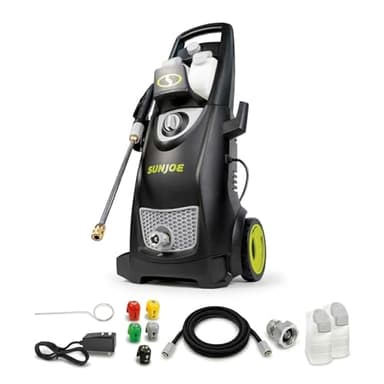
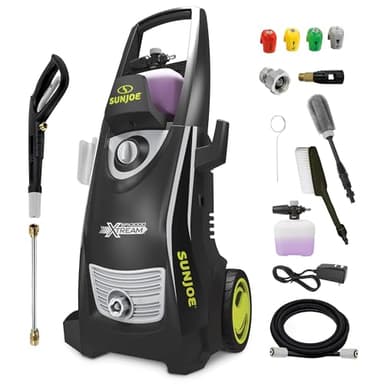
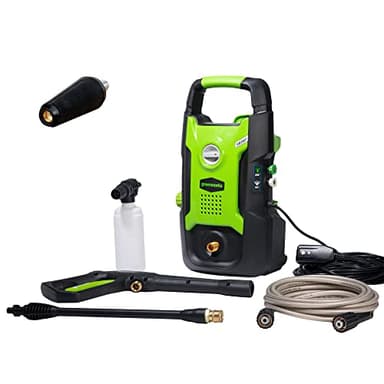
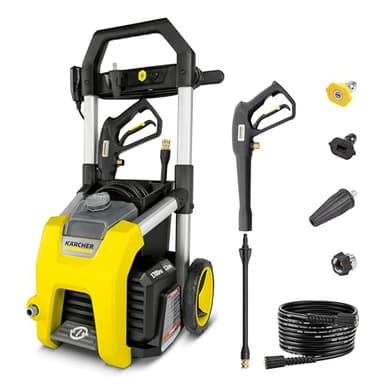
When choosing a pressure washer, consider PSI (pounds per square inch) for cleaning power and GPM (gallons per minute) for rinsing efficiency. A higher PSI means more force to remove tough stains, while a higher GPM helps clear away debris faster. Look for durable pumps, as they are the heart of the machine. Hose length and nozzle types are also important; longer hoses offer more reach, and various nozzles provide different spray patterns for diverse tasks. Features like total stop system (TSS) can prolong pump life by shutting off the motor when the trigger isn't engaged.
Types and Formats of Pressure Washers
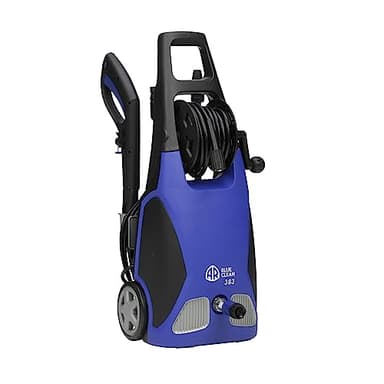
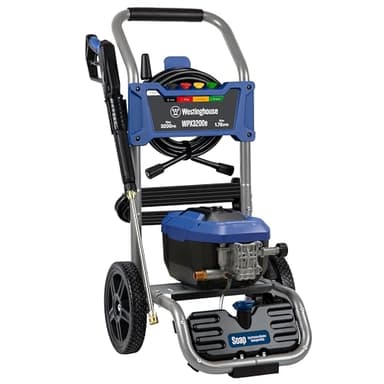
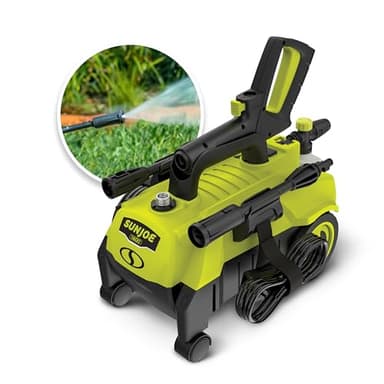
Pressure washers primarily come in two types: electric and gas-powered. Electric models are generally lighter, quieter, require less maintenance, and are ideal for smaller tasks like cleaning patio furniture, cars, and light-duty decks. They are also emissions-free, making them suitable for use in enclosed spaces. Gas-powered pressure washers offer more power and portability, as they don't require an electrical outlet. They are better suited for heavy-duty jobs such as cleaning large driveways, stripping paint, or removing stubborn grime from siding. Consider your typical cleaning tasks and available power sources when deciding between these two formats.
Sizing and Compatibility
Pressure washer sizing often relates to its power output, measured in PSI and GPM. For light-duty tasks like washing cars or patio furniture, a unit with 1500-1900 PSI and 1.2-1.4 GPM is usually sufficient. Medium-duty tasks, such as cleaning decks or siding, might require 1900-2800 PSI and 1.4-2.0 GPM. Heavy-duty cleaning, like stripping paint or tackling tough concrete stains, typically calls for 2800 PSI and above, with 2.0 GPM or more. Ensure the unit's power source (electrical outlet or fuel) is compatible with your intended usage area.
Budget Tiers Explained
Pressure washers are available across several budget tiers, each offering different levels of power and features. Entry-level models are typically electric, suitable for light-duty tasks around the home, and focus on basic cleaning functions. Mid-range options, which can be electric or gas, provide more power and durability, often including better pumps, longer hoses, and a wider array of nozzles for increased versatility. High-end pressure washers are usually gas-powered, built for heavy-duty, frequent use, and come with premium components, advanced features, and robust construction for demanding jobs and extended lifespan.
Common Mistakes to Avoid
A common mistake is using too much pressure, which can damage surfaces like wood, paint, or delicate siding. Always start with a lower pressure setting or a wider spray nozzle and gradually increase if needed. Another error is neglecting proper maintenance, such as draining water from the pump before storage to prevent freezing damage. Using the wrong detergent or no detergent at all can also lead to less effective cleaning. Finally, ensure you wear appropriate safety gear, including eye protection, as high-pressure water can cause serious injury.
Frequently asked questions
What's the difference between PSI and GPM?
PSI (pounds per square inch) measures the force of the water stream, indicating cleaning power for tough stains. GPM (gallons per minute) measures the volume of water flow, which affects how quickly you can rinse away debris. Both are important for effective cleaning.
Can I use a pressure washer on my car?
Yes, but with caution. Use a lower PSI setting (around 1200-1900 PSI) and a wide-angle nozzle (like 25 or 40 degrees) to avoid damaging the paint. Keep the nozzle a safe distance from the car's surface and avoid spraying directly at windows or mirrors.
Do I need special detergent for a pressure washer?
Yes, it's best to use detergents specifically designed for pressure washers. These are formulated to be safe for your machine and effective for various cleaning tasks. Avoid using household soaps, as they can damage the pump or leave residue.
How do I store a pressure washer for winter?
Before storing for winter, always drain all water from the pump and hoses to prevent freezing and damage. You can also use a pump protector or antifreeze solution specifically designed for pressure washers to safeguard internal components.
Is an electric or gas pressure washer better?
It depends on your needs. Electric pressure washers are quieter, lighter, and require less maintenance, ideal for lighter tasks. Gas pressure washers offer more power and portability for heavy-duty jobs and larger areas, but they are louder and require more upkeep.