


How to choose the right projectors
Key Features to Look For
When choosing a projector, several key features impact performance. Resolution, often 4K UHD, determines image sharpness and detail. Brightness, measured in lumens, is crucial for viewing in different lighting conditions; higher lumens are better for ambient light. Contrast ratio affects the depth of blacks and whites, contributing to a more dynamic picture. Lamp life or laser life indicates how long the light source will last before needing replacement. Connectivity options like HDMI and USB are essential for hooking up your devices. Finally, look for features like keystone correction and lens shift for easier setup and image alignment.
Types and Formats of Projectors
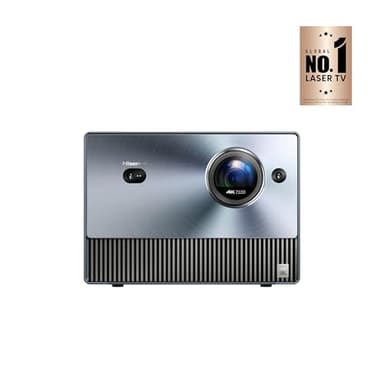
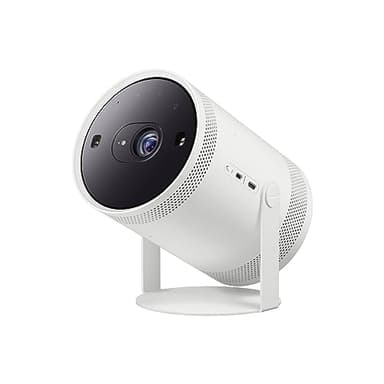
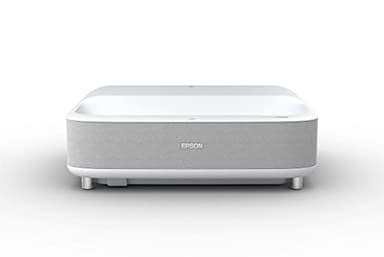
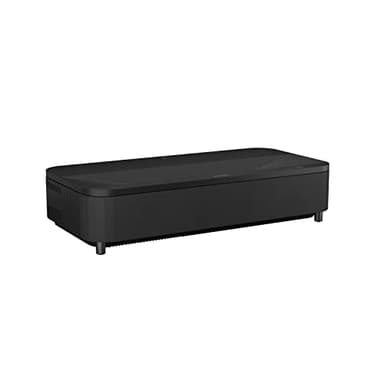
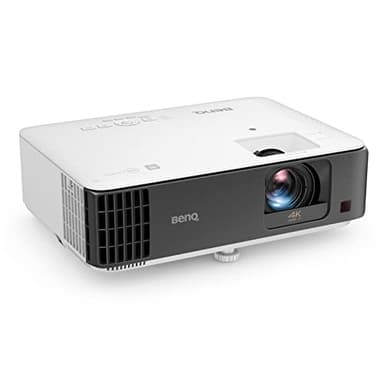
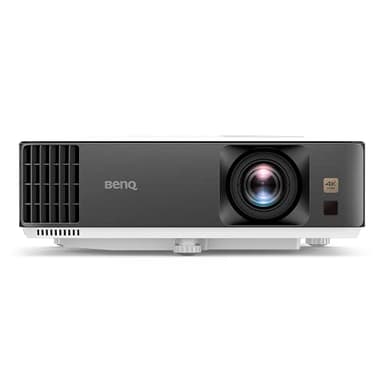
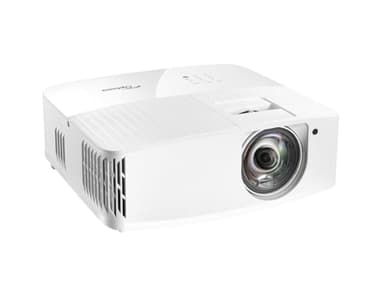
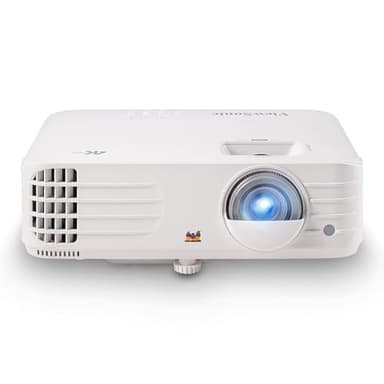
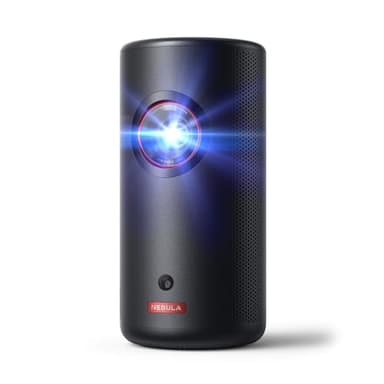
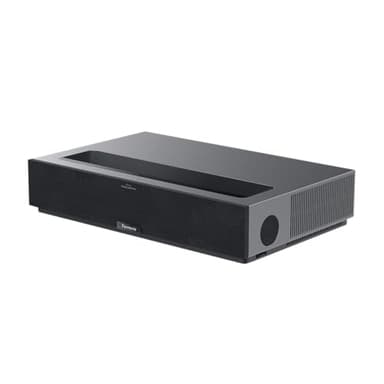
Projectors come in various types, each suited for different uses. Standard throw projectors require significant distance from the screen to cast a large image, ideal for dedicated home theaters. Short throw projectors can project a large image from a much closer distance, making them suitable for smaller rooms. Ultra-short throw (UST) projectors sit directly beneath the screen, eliminating shadows and simplifying installation. Portable projectors are compact and often battery-powered, designed for on-the-go entertainment. Gaming projectors prioritize low input lag and high refresh rates for a smooth gaming experience, while home cinema projectors focus on image quality and color accuracy.
Sizing and Compatibility Considerations
Projector sizing primarily refers to the image size it can project and the throw distance required. Understand your available space and the size of the screen or wall you intend to project onto. Compatibility involves ensuring the projector works with your existing devices. Check for necessary ports like HDMI for media players, gaming consoles, and streaming sticks. Consider smart features like built-in Android TV or other operating systems for direct access to streaming apps. For audio, some projectors have integrated speakers, but many users prefer connecting to external sound systems via optical, HDMI ARC, or Bluetooth for a more immersive experience.
Understanding Projector Budget Tiers
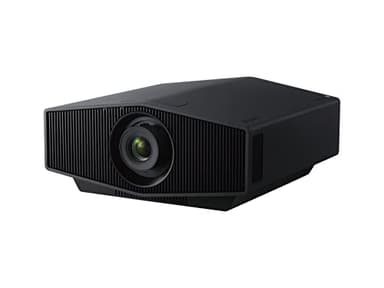
Projector prices vary widely, reflecting differences in technology, features, and performance. Entry-level projectors typically offer good value for casual viewing, often focusing on basic HD resolution and moderate brightness. Mid-range options introduce higher resolutions like 4K, improved brightness, better contrast, and more advanced smart features or specialized optics like short-throw capabilities. High-end projectors represent the pinnacle of home cinema, featuring true 4K resolution, laser light sources for exceptional brightness and longevity, superior color accuracy, and advanced image processing, often with premium build quality and extensive connectivity options.
Common Mistakes to Avoid
One common mistake is underestimating the importance of ambient light; a projector with insufficient brightness will produce a washed-out image in a bright room. Another error is neglecting throw distance calculations, leading to an image that's too small or too large for your space. Don't overlook audio; built-in speakers are often basic, so plan for external sound. Assuming all 4K projectors are equal is also a pitfall; native 4K offers superior clarity compared to pixel-shifting technologies. Finally, ignoring lamp or laser life can lead to unexpected maintenance costs or diminished performance over time.
Frequently asked questions
What is the difference between lumens and ANSI lumens?
Lumens generally refer to the total light output of a projector. ANSI lumens, or American National Standards Institute lumens, are a standardized measurement that provides a more accurate and comparable indication of a projector's brightness, taking into account various factors across the image.
Can I use a projector in a room with ambient light?
Yes, but the quality of the image will depend on the projector's brightness (lumens). Projectors with higher lumen ratings are better equipped to handle ambient light and produce a visible, vibrant image. For optimal viewing, a dark room is always preferred, but some projectors perform well in moderately lit environments.
Do projectors need a special screen?
While you can project onto a plain wall, a dedicated projector screen significantly enhances image quality. Screens are designed with specific gain and viewing angles to reflect light more effectively, improving brightness, contrast, and color accuracy. Different screen types cater to various projector technologies and room conditions.
What is throw distance and why is it important?
Throw distance is the distance between the projector lens and the screen needed to achieve a desired image size. It's crucial for planning your setup, as different projectors have varying throw ratios. Understanding this helps you determine if a standard, short, or ultra-short throw projector is best for your available space.
Are laser projectors better than lamp projectors?
Laser projectors generally offer several advantages over traditional lamp-based models, including longer lifespan for the light source, quicker on/off times, consistent brightness over time, and often superior color accuracy. While typically more expensive, they require less maintenance and can provide a more premium viewing experience.