
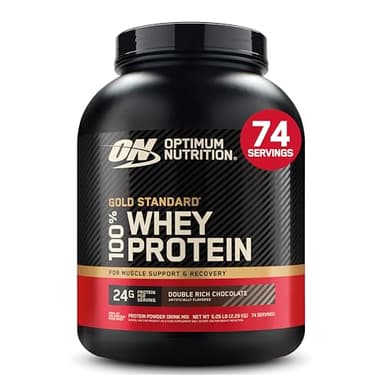
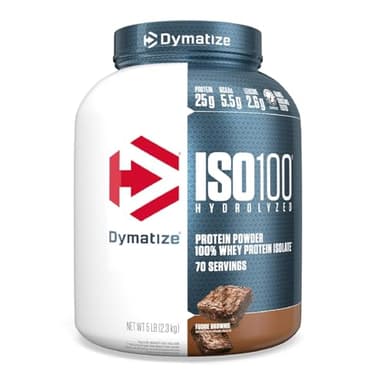
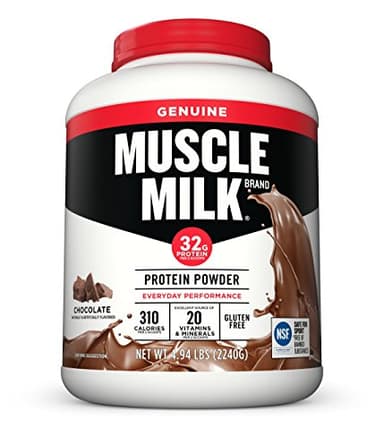
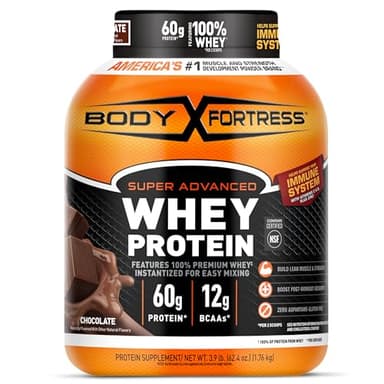
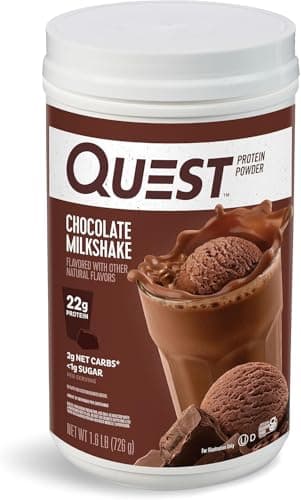
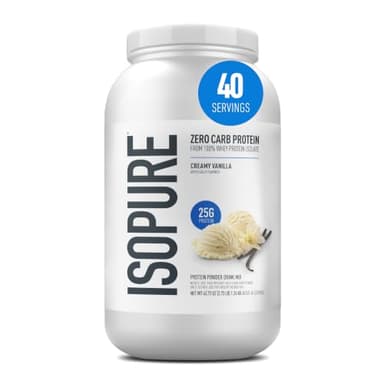
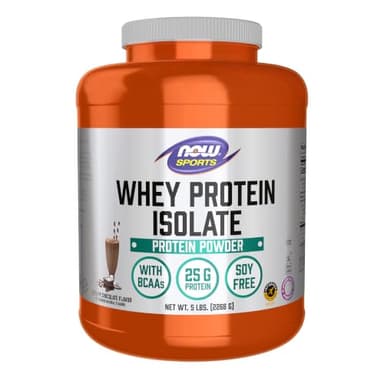
How to choose the right protein powders
Key Features to Look For
When selecting a protein powder, consider the protein source, as this affects digestion and amino acid profile. Whey concentrate, isolate, and casein are common dairy-based options, while soy, pea, and rice are popular plant-based alternatives. Pay attention to the protein content per serving, typically ranging from 20-30 grams. Also, check for added sugars, artificial sweeteners, and unnecessary fillers. Look for products with third-party certifications, which can indicate purity and absence of banned substances. The flavor and mixability are also important for daily consumption, so reading reviews about these aspects can be helpful.
Types and Formats of Protein Powders
Protein powders come in various forms, each with distinct characteristics. Whey protein, derived from milk, is fast-absorbing and popular for post-workout recovery. Casein protein, also milk-derived, digests slowly, making it suitable for sustained release, often before bed. Plant-based proteins, such as pea, soy, or rice protein, are excellent for those with dairy allergies or following vegan diets. Some products blend different protein sources to offer a more complete amino acid profile or varied absorption rates. Powders are the most common format, but some brands offer ready-to-drink shakes or bars, providing convenience.
Sizing and Compatibility
Protein powders are typically sold in tubs or bags, with sizes ranging from small, trial-sized containers (around 1-2 lbs) to large, bulk options (5 lbs or more). The right size depends on your consumption frequency and storage space. Consider how often you'll be using the powder; a larger container might be more cost-effective if you use it daily. Compatibility also extends to your dietary restrictions and preferences. Ensure the product is free from allergens like dairy, soy, or gluten if you have sensitivities. For those following specific diets like vegan or keto, verify the ingredients and macronutrient breakdown.
Budget Tiers Explained
Protein powders are available across a spectrum of price points, generally reflecting the quality of ingredients, processing, and brand reputation. Entry-level options often use basic whey concentrate or soy protein and may contain more fillers or artificial ingredients. Mid-range products typically offer higher-quality whey isolates or blends, with fewer additives and better flavor profiles. Premium-tier protein powders often feature hydrolyzed proteins, organic ingredients, extensive third-party testing, or specialized formulations like grass-fed whey or unique plant blends. While more expensive, these may offer benefits like easier digestion or superior purity for specific needs.
Common Mistakes to Avoid
One common mistake is relying solely on protein powder as your primary protein source; it should supplement, not replace, whole foods. Another error is neglecting to check the ingredient list for allergens or unwanted additives like excessive sugar or artificial ingredients. Many people also overlook the importance of proper serving sizes, consuming too much or too little for their goals. Not considering mixability and flavor can lead to an unpleasant experience, making it harder to consistently use the product. Finally, failing to store protein powder correctly can lead to spoilage, so always keep it in a cool, dry place.
Frequently asked questions
How much protein powder should I take daily?
The ideal amount varies based on your body weight, activity level, and fitness goals. A general guideline for active individuals is 0.7-1 gram of protein per pound of body weight. Consult a healthcare professional or nutritionist for personalized recommendations to ensure you meet your specific needs without overconsumption.
Can protein powder help with weight loss?
Yes, protein powder can support weight loss by promoting satiety, which can reduce overall calorie intake. Protein also helps preserve lean muscle mass during a calorie deficit, which is crucial for maintaining a healthy metabolism. It's most effective when combined with a balanced diet and regular exercise.
Is plant-based protein as effective as whey protein?
Plant-based proteins, especially blends like pea and rice, can be just as effective as whey for muscle growth and recovery, provided they offer a complete amino acid profile. Individual plant proteins might lack certain amino acids, so blends are often recommended to ensure nutritional completeness for optimal results.
When is the best time to take protein powder?
While the 'anabolic window' theory has evolved, consuming protein powder around your workouts is still beneficial. Post-workout helps with muscle repair and growth, while pre-workout can provide amino acids during exercise. It can also be taken between meals to boost daily protein intake or before bed for sustained release.
Are there any side effects of taking protein powder?
For most healthy individuals, protein powder is safe when consumed in recommended amounts. Potential side effects can include digestive issues like bloating or gas, especially with lactose-containing whey if you're sensitive. Excessive intake over long periods could potentially strain kidneys, but this is rare with normal use. Always check ingredients for allergens.