
How to choose the right resistance bands
Key Features to Look For
When selecting resistance bands, consider the material, as latex and TPE are common, with latex offering more elasticity and TPE being a good option for those with latex allergies. The resistance level is crucial; bands are often color-coded to indicate light, medium, heavy, or extra-heavy tension. Some sets offer stackable bands, allowing you to combine them for greater resistance. Durability is also key; look for bands with strong seams, reinforced handles (if applicable), and a reputation for holding up to repeated use. Finally, assess any included accessories like door anchors, ankle straps, or carrying bags, which can enhance versatility and portability.
Types and Formats
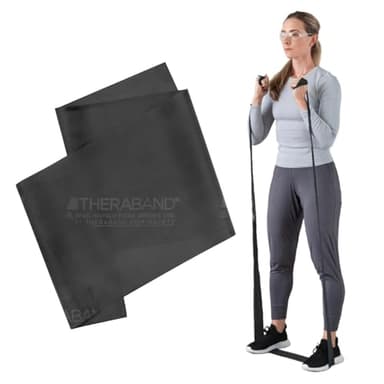
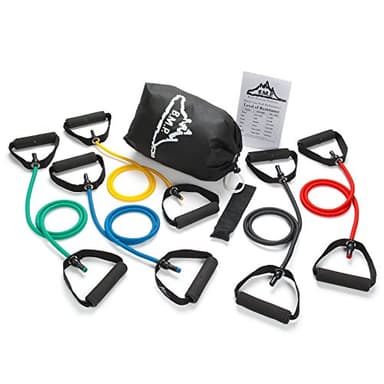
Resistance bands come in several primary types, each suited for different exercises. Loop bands are continuous circles, often used for lower body exercises like glute bridges and squats, and come in various sizes from mini loops to larger pull-up assist bands. Tube bands typically have handles and are excellent for upper body exercises, rows, and presses, often mimicking dumbbell movements. Flat bands, or therapy bands, are wide, flat strips without handles, commonly used for physical therapy, stretching, and lighter resistance work. Power bands are thick, heavy-duty loops, frequently employed for pull-up assistance, powerlifting, and intense full-body workouts. Each type offers unique benefits for different training styles.
Sizing and Compatibility
Resistance bands don't have traditional 'sizing' in the way clothing does, but rather vary in length, width, and thickness, which directly impacts their resistance level. Longer bands offer more range of motion and are suitable for exercises requiring a full stretch, while shorter bands provide more concentrated resistance. For loop bands, consider the circumference; mini-bands are for smaller movements around the thighs or ankles, while larger loops are for full-body exercises or pull-up assistance. Compatibility with your workout space and goals is also important. If you plan to use a door anchor, ensure the bands are designed to work with one. Always check the resistance range offered by a set to ensure it aligns with your current strength and future progression.
Budget Tiers Explained
Resistance bands are available across a range of price points, generally reflecting the quality of materials, the number of bands in a set, and included accessories. Entry-level options often include a basic set of loop bands or a single tube band, suitable for beginners or those testing the waters. Mid-range sets typically offer a wider variety of resistance levels, better quality materials, and useful accessories like door anchors and handles, providing good value for most users. Higher-end resistance band systems might feature premium, durable materials, innovative designs, extensive accessory kits, or specialized bands for specific training methodologies. Your budget should align with your intended frequency of use and desired versatility.
Common Mistakes to Avoid
One common mistake is choosing bands with too much or too little resistance, which can lead to improper form or ineffective workouts. It's better to start with lighter resistance and gradually increase as you get stronger. Another error is neglecting proper form; resistance bands still require controlled movements to prevent injury and maximize muscle engagement. Many users also overlook the importance of inspecting bands for wear and tear before each use, as stretched or damaged bands can snap unexpectedly. Lastly, not utilizing the full potential of a band set by sticking to only a few exercises is a missed opportunity; experiment with different movements and accessories to get a comprehensive workout.
Frequently asked questions
Are resistance bands effective for building muscle?
Yes, resistance bands can be very effective for building muscle. They provide constant tension throughout the movement, which can lead to muscle hypertrophy and strength gains. For best results, choose bands with appropriate resistance and focus on progressive overload by gradually increasing the challenge.
How do I choose the right resistance level?
Start with a resistance level that allows you to complete 10-15 repetitions with good form. If you can do more easily, move up a band. If you struggle to complete 8 reps, go down a band. Many sets include multiple bands, allowing you to experiment and progress.
Can resistance bands replace weights?
Resistance bands can complement or, in many cases, substitute for weights, especially for home workouts, travel, or rehabilitation. While they offer different types of resistance, bands can effectively target muscles and build strength. For maximum strength and power, a combination of both is often ideal.
How long do resistance bands last?
The lifespan of resistance bands varies depending on material quality, frequency of use, and proper care. High-quality latex bands can last for years with regular use and proper storage away from direct sunlight and extreme temperatures. Inspect them regularly for nicks or tears.
Are resistance bands good for beginners?
Absolutely. Resistance bands are excellent for beginners as they are low-impact, easy to learn, and can be used to modify exercises or provide assistance for challenging movements like pull-ups. They help build foundational strength and improve body awareness before progressing to heavier weights.