


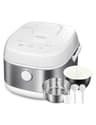
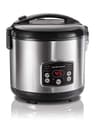


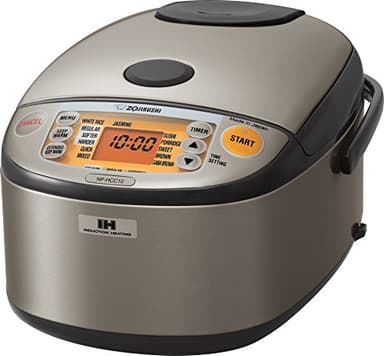
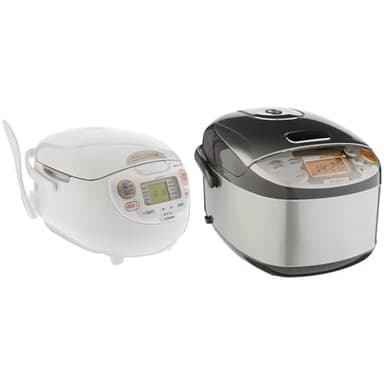
How to choose the right rice cookers
Key Features to Look For
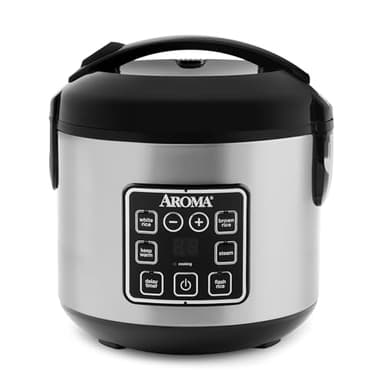
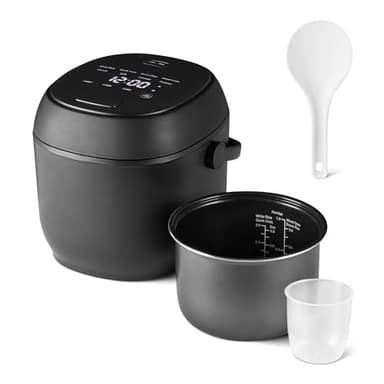
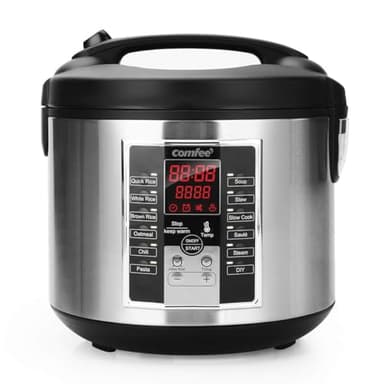
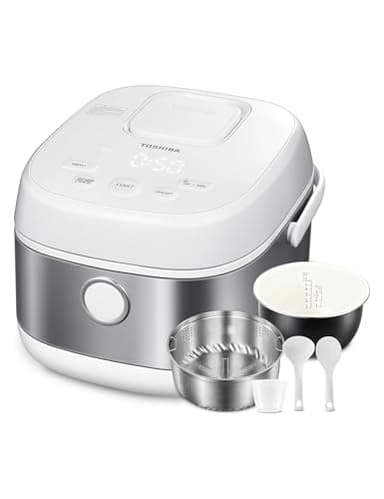
When choosing a rice cooker, consider capacity, cooking technology, and additional functions. Capacity is crucial; a 3-cup model suits individuals or small families, while larger households might need 10 cups or more. Basic models use a simple heating element, but advanced options like induction heating (IH) provide more precise temperature control for superior texture. Micom (microcomputer) models offer fuzzy logic technology to adjust cooking based on rice type. Look for features like keep-warm settings, delayed start timers, and specific presets for different rice varieties (white, brown, sushi, porridge) to enhance versatility and convenience. A non-stick inner pot is also highly recommended for easy cleaning.
Types and Formats of Rice Cookers
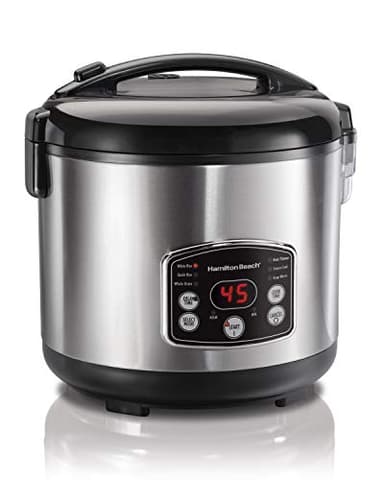
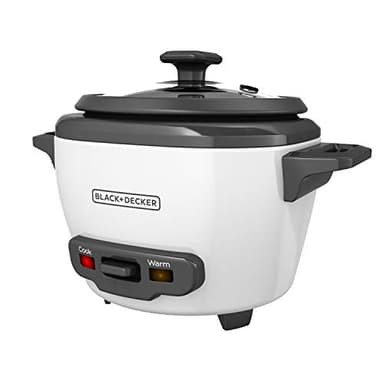
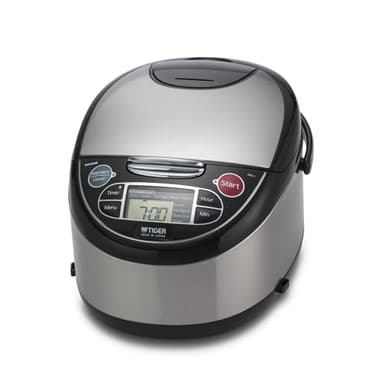
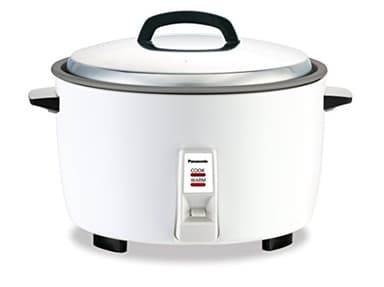
Rice cookers come in several main types, each offering distinct advantages. Basic on/off models are simple and affordable, ideal for occasional use. Micom (microcomputer) rice cookers use fuzzy logic to make minor adjustments to cooking time and temperature, resulting in more consistent results. Induction Heating (IH) models offer advanced precision, heating the entire inner pot evenly for perfectly cooked rice. Some specialized models include multi-cookers that can also steam, slow cook, or make oatmeal. Commercial rice cookers are designed for high-volume use in restaurants, featuring larger capacities and robust construction. Consider your cooking frequency and desired level of control when selecting a type.
Sizing and Compatibility
Rice cooker capacity is typically measured in uncooked rice cups, which yield approximately double the cooked amount. A 3-cup uncooked capacity (yielding 6 cups cooked) is generally suitable for 1-2 people. A 5.5-cup model (11 cups cooked) is a good choice for small to medium-sized families (3-4 people). Larger families or those who frequently entertain might prefer an 8-10 cup uncooked capacity (16-20 cups cooked). Commercial units can range from 20 cups up. Always consider the physical dimensions of the cooker to ensure it fits comfortably on your countertop and under cabinets. Compatibility with different rice types is also important; many advanced models have specific settings for white, brown, sushi, and even low-carb rice.
Understanding Budget Tiers
Rice cooker prices vary significantly based on features and technology. Entry-level models are typically very affordable, offering basic on/off functionality and smaller capacities, suitable for simple rice cooking. Mid-range options introduce features like digital controls, fuzzy logic (Micom technology), and preset programs for various rice types, providing greater convenience and better results. High-end rice cookers, often featuring Induction Heating (IH) technology, offer the most precise temperature control, premium inner pot materials, and a wide array of specialized settings for optimal texture and taste. Commercial-grade units, designed for heavy use, represent the highest tier in terms of capacity and durability.
Common Mistakes to Avoid
One common mistake is not washing rice thoroughly before cooking, which can lead to sticky or gummy results. Another error is overfilling the cooker beyond its maximum capacity, potentially causing boil-overs or undercooked rice. Using the wrong water-to-rice ratio is also frequent; always refer to the cooker's manual or rice packaging for precise measurements. Neglecting to clean the inner pot and lid after each use can lead to residue buildup and affect future cooking performance. Finally, opening the lid too early during the cooking or resting phase can release steam and heat, impacting the final texture of the rice.
Frequently asked questions
What is the difference between a Micom and an Induction Heating (IH) rice cooker?
Micom (microcomputer) rice cookers use fuzzy logic to make minor adjustments to cooking time and temperature for consistent results. IH rice cookers use electromagnetic currents to heat the entire inner pot, offering more precise and even cooking for superior texture and flavor.
How much rice can a 5.5-cup rice cooker make?
A 5.5-cup rice cooker refers to 5.5 cups of uncooked rice. Generally, uncooked rice doubles in volume when cooked, so a 5.5-cup model will yield approximately 11 cups of cooked rice, suitable for 3-5 people.
Can I cook other grains besides rice in a rice cooker?
Many modern rice cookers, especially those with digital controls and multiple settings, are designed to cook various grains like quinoa, oatmeal, and even some types of pasta. Always check the product's manual for specific grain settings and recommended water ratios.
Is a non-stick inner pot important?
Yes, a non-stick inner pot is highly recommended. It prevents rice from sticking to the bottom, making serving easier and significantly simplifying cleanup. Most quality rice cookers come with a durable non-stick coating.
How do I clean my rice cooker?
After each use, unplug the cooker and allow it to cool. Remove the inner pot and wash it with warm, soapy water. Wipe down the interior and exterior of the main unit with a damp cloth. Ensure all parts are dry before reassembling. Avoid abrasive cleaners.