

How to choose the right skincare
Key Features to Look For
When selecting skincare, focus on active ingredients tailored to your concerns. For acne, look for salicylic acid or benzoyl peroxide. For hydration, hyaluronic acid and ceramides are beneficial. Antioxidants like Vitamin C protect against environmental damage, while retinoids address signs of aging. Always check for non-comedogenic labels if you're prone to breakouts. Fragrance-free formulas are often preferred for sensitive skin. Consider the product's texture – gels, creams, or lotions – and how it integrates with your existing routine and skin type. Ingredient lists can be complex, so research key components.
Types of Skincare Products
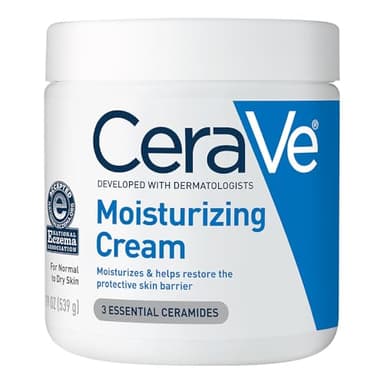
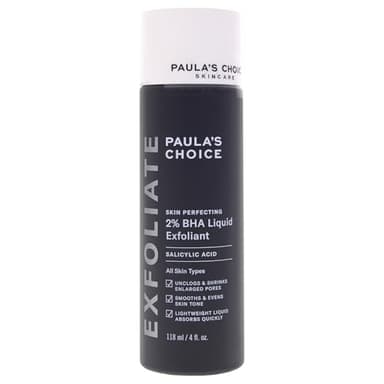
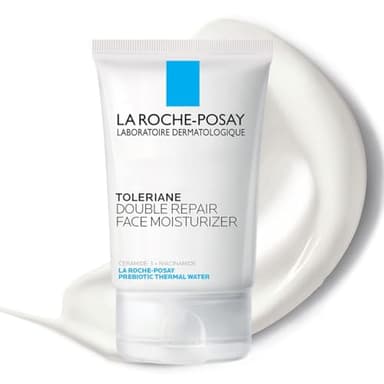
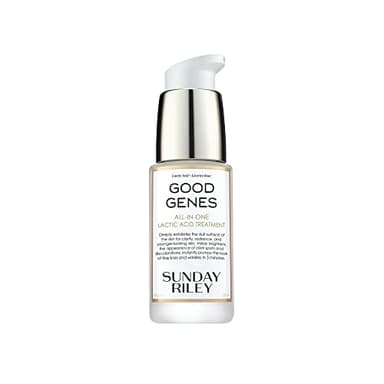
Skincare routines typically involve several categories. Cleansers remove impurities without stripping natural oils. Toners, while not always essential, can balance skin pH or deliver active ingredients. Serums are concentrated treatments targeting specific concerns like fine lines, dark spots, or dehydration. Moisturizers hydrate and protect the skin barrier. Sunscreens are crucial for daily protection against UV damage. Exfoliants, such as AHAs or BHAs, help shed dead skin cells. Masks offer intensive treatments for various issues, from deep cleansing to intense hydration, used periodically rather than daily.
Understanding Skin Types and Concerns
Matching products to your skin type is fundamental. Oily skin benefits from lightweight, non-comedogenic formulas, while dry skin needs richer, emollient moisturizers. Combination skin often requires different products for different areas. Sensitive skin demands gentle, fragrance-free, and hypoallergenic options. Common concerns like acne, hyperpigmentation, redness, or aging also dictate product choices. For example, a BHA exfoliant is often recommended for acne-prone skin, while a Vitamin C serum can help with dullness and dark spots. Always consider your primary concerns when building your routine.
Budget Tiers for Skincare
Skincare products are available across a wide range of price points. Entry-level options often provide effective basic hydration and cleansing, focusing on essential ingredients without extensive formulations. Mid-range products frequently introduce more advanced active ingredients, better textures, and more sophisticated delivery systems. High-end skincare typically features proprietary complexes, unique ingredient sourcing, and luxurious experiences, often with elegant packaging. It's important to remember that effectiveness isn't always directly proportional to price; many affordable products deliver excellent results, especially for foundational steps like cleansing and moisturizing.
Common Skincare Mistakes to Avoid
One frequent mistake is introducing too many new products at once, making it difficult to identify what's causing irritation or breakouts. Another is neglecting daily sunscreen application, which is vital for preventing premature aging and skin damage. Over-exfoliating can compromise the skin barrier, leading to sensitivity and redness. Not patch-testing new products can result in widespread reactions. Finally, expecting immediate results is unrealistic; consistent use over several weeks or months is often necessary to see significant improvements in skin health and appearance.
Frequently asked questions
What is the correct order to apply skincare products?
Generally, apply products from thinnest to thickest consistency. A common order is cleanser, toner (if used), serum, eye cream, moisturizer, and then sunscreen in the morning. Treatments like exfoliants or masks are used after cleansing, before serums or moisturizers, typically a few times a week.
How long does it take to see results from new skincare products?
Results vary depending on the product and your skin. For cleansers and moisturizers, you might notice immediate improvements in hydration or cleanliness. However, for active treatments like serums or exfoliants, it can take anywhere from 4 to 12 weeks of consistent use to see significant changes in concerns like acne, fine lines, or hyperpigmentation.
Do I really need to use sunscreen every day?
Yes, daily sunscreen use is crucial, even on cloudy days or indoors near windows. UV rays are a primary cause of premature aging, sunspots, and skin cancer. Broad-spectrum SPF 30 or higher protects against both UVA and UVB rays, making it the most important step in any skincare routine.
Can I mix different skincare brands in my routine?
Absolutely! It's perfectly fine to mix and match products from different brands. Focus on finding products that address your specific skin concerns and work well together, rather than sticking to a single brand. Just be mindful of potential ingredient interactions, especially with strong actives.
What does 'non-comedogenic' mean?
'Non-comedogenic' means the product is formulated in a way that is less likely to clog pores. This is particularly important for individuals prone to acne or breakouts. While not a guarantee against all breakouts, it significantly reduces the risk of new blemishes forming.