

How to choose the right smart home
Key Features to Look For
When selecting smart home devices, consider compatibility with existing ecosystems like Amazon Alexa, Google Home, or Apple HomeKit. Look for reliable connectivity options, such as Wi-Fi, Zigbee, or Z-Wave, which impact performance and range. Energy efficiency is another important factor, especially for devices that are always on. Prioritize strong security features, including data encryption and privacy controls, to protect your personal information. Finally, evaluate the ease of installation and the intuitiveness of the associated mobile app for a smooth user experience.
Types of Smart Home Devices
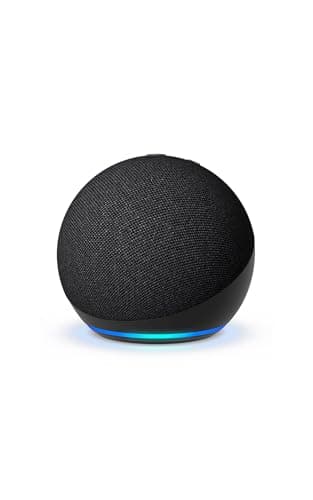
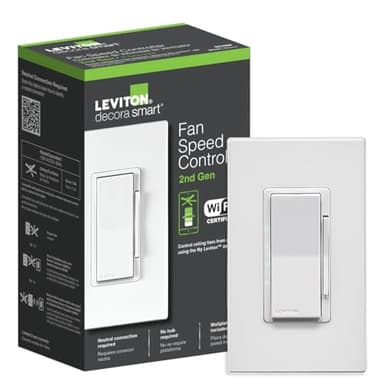
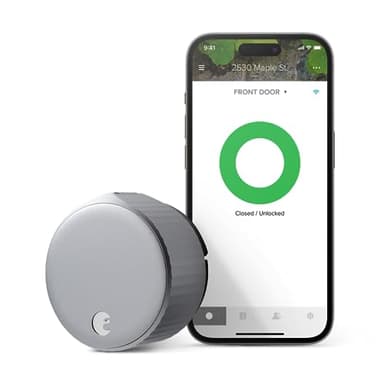
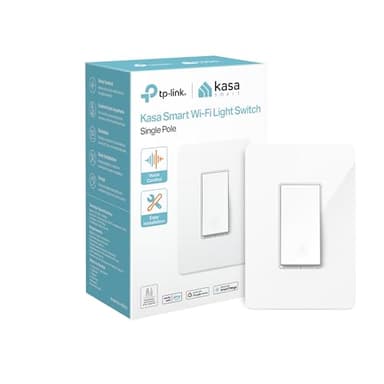
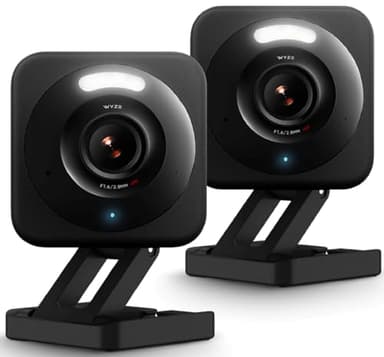
The smart home category encompasses a wide array of devices, each serving different functions. Smart lighting, like bulbs and switches, allows for remote control and scheduling. Security devices include cameras, doorbells, and smart locks for monitoring and access control. Climate control devices, such as smart thermostats and fan controllers, optimize comfort and energy use. Entertainment hubs, like smart displays and speakers, integrate media and voice assistants. Consider what aspects of your home you want to automate or enhance to narrow down your choices.
Compatibility and Ecosystems
Smart home devices aren't always universally compatible. It's crucial to consider the ecosystem you're building or integrating into. If you already use Amazon Alexa, devices that are 'Works with Alexa' will offer the most seamless experience. Similarly, Google Home users should look for 'Works with Google Assistant' products. Apple HomeKit provides a secure and integrated experience for iOS users. Some devices offer broad compatibility, while others are exclusive to certain platforms. Planning your ecosystem upfront can prevent frustration and ensure all your devices work together harmoniously.
Understanding Budget Tiers
Smart home devices are available across various price points, generally reflecting features, brand reputation, and ecosystem integration. Entry-level options often provide basic smart functionality, such as remote control or simple scheduling, and are a great starting point for those new to smart homes. Mid-range devices typically offer more advanced features, better build quality, and broader compatibility. High-end products often boast premium materials, cutting-edge technology, and seamless integration into complex smart home systems, providing the most comprehensive and sophisticated automation experiences.
Common Mistakes to Avoid
One common mistake is buying devices without checking compatibility with your existing smart home ecosystem, leading to isolated devices that don't communicate. Another error is overlooking your home's Wi-Fi coverage; a weak signal can render smart devices unreliable. Don't forget to consider privacy and security settings; neglecting these can expose your home to vulnerabilities. Lastly, avoid overcomplicating your setup initially; start with a few key devices and expand as you become more comfortable with the technology and understand your needs better.
Frequently asked questions
What is the difference between Zigbee and Z-Wave?
Zigbee and Z-Wave are both wireless protocols for smart home devices, creating mesh networks. Z-Wave typically operates on a lower frequency, which can offer better penetration through walls, while Zigbee operates on 2.4 GHz, similar to Wi-Fi. Both require a compatible hub to function, but they are not directly interoperable with each other.
Do I need a smart home hub?
Not all smart home devices require a dedicated hub. Many Wi-Fi-enabled devices can connect directly to your home router. However, a hub can offer benefits like improved reliability, extended range for certain protocols (like Zigbee or Z-Wave), and the ability to create more complex automation routines involving multiple devices from different brands.
Are smart home devices secure?
The security of smart home devices varies by manufacturer. Reputable brands prioritize security with features like data encryption, two-factor authentication, and regular firmware updates. It's crucial to use strong, unique passwords, enable all available security features, and keep your device software updated to protect your privacy and home network.
Can smart home devices save me money?
Yes, smart home devices can potentially save you money, particularly those focused on energy management. Smart thermostats can optimize heating and cooling schedules, and smart lighting can reduce electricity consumption by turning off lights when not needed. Monitoring energy usage with certain devices can also help identify areas for efficiency improvements.
What if my internet goes out?
If your internet goes out, the functionality of your smart home devices will be limited. Cloud-dependent features, like remote control via an app or voice commands, will likely stop working. However, some devices with local control capabilities, such as smart light switches or locks, may still function manually or via a local network connection, depending on their design.