

How to choose the right smart speakers
Key Features to Look For
When selecting a smart speaker, consider sound quality first; some models prioritize rich audio for music lovers, while others focus on clear voice responses. Voice assistant compatibility is crucial – ensure it works with your preferred ecosystem, whether that's Alexa, Siri, or another. Connectivity options like Wi-Fi, Bluetooth, and auxiliary inputs expand versatility. Smart home integration is another major factor; check if the speaker can control your existing smart devices. Finally, privacy features, such as microphone mute buttons, are important for peace of mind.
Types and Formats of Smart Speakers
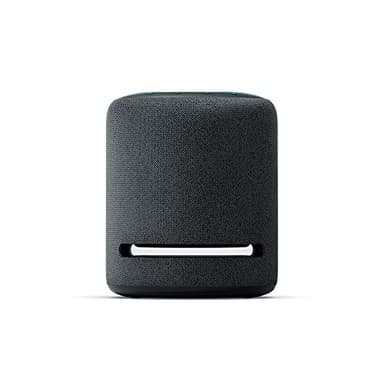
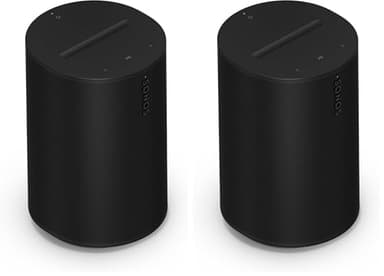
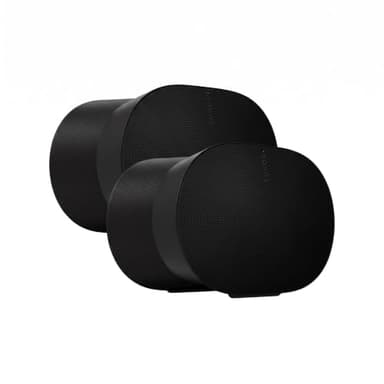
Smart speakers come in various forms, each suited for different uses. Compact models, often referred to as mini or dot versions, are great for small spaces, bedside tables, or as supplementary speakers in a multi-room setup. Mid-sized speakers offer a balance of sound quality and footprint, ideal for most living areas. Larger, premium smart speakers are designed for audiophiles, delivering robust sound and often supporting advanced audio technologies like spatial audio. Some smart displays also incorporate smart speaker functionality, adding a screen for visual feedback and video calls.
Sizing and Compatibility
Consider the physical size of the smart speaker in relation to where you plan to place it. A large speaker might overpower a small shelf, while a mini speaker could get lost in a spacious room. Compatibility extends beyond just physical size; ensure the smart speaker integrates well with your existing smart home ecosystem. If you primarily use Apple devices, a HomePod might be a more seamless experience. Similarly, Alexa users will find Amazon Echo devices integrate effortlessly. Check for multi-room audio capabilities if you plan to link several speakers together.
Budget Tiers Explained
Smart speakers are available across several budget tiers. Entry-level models typically offer basic voice assistant functionality and decent sound for casual listening, making them a good starting point for those new to smart home tech. Mid-range speakers provide improved sound quality, more advanced features, and often better build materials. Premium smart speakers are designed for audiophiles, featuring high-fidelity audio, advanced spatial sound technologies, and often more sophisticated smart home hubs built-in. Your budget will largely dictate the level of audio performance and feature set you can expect.
Common Mistakes to Avoid
One common mistake is not considering your existing smart home ecosystem; buying a speaker incompatible with your current devices can lead to frustration. Another error is overlooking sound quality if music is a priority; cheaper models may disappoint audiophiles. Don't forget about privacy features; always check for physical microphone mute buttons. Lastly, underestimating the importance of placement can affect performance; a speaker tucked away in a corner might not hear commands clearly or deliver optimal sound. Plan where it will go before purchasing.
Frequently asked questions
What is a smart speaker?
A smart speaker is a wireless speaker that uses an integrated virtual assistant, like Alexa or Siri, to perform tasks. You can use voice commands to play music, set alarms, get weather updates, control smart home devices, and much more, all hands-free.
Do smart speakers need Wi-Fi?
Yes, most smart speakers require a Wi-Fi connection to access their full range of features, including voice assistant capabilities, music streaming, and smart home control. Some may offer limited Bluetooth functionality without Wi-Fi for direct audio playback.
Can I use a smart speaker without a smartphone?
While initial setup often requires a smartphone app, once configured, many smart speaker functions can be performed entirely by voice. You don't need your smartphone nearby for the speaker to play music or answer questions, as long as it's connected to Wi-Fi.
Are smart speakers always listening?
Smart speakers are always listening for their 'wake word' (e.g., 'Alexa,' 'Hey Siri'). They only begin recording and sending audio to the cloud after detecting this word. Most models also include a physical button to electronically disconnect the microphone for privacy.
Can smart speakers control my TV?
Yes, many smart speakers can control compatible smart TVs or TVs connected to smart plugs or streaming devices. You can often use voice commands to turn the TV on/off, change channels, adjust volume, or launch apps, depending on your setup.