
How to choose the right smartphones
Key Features to Look For
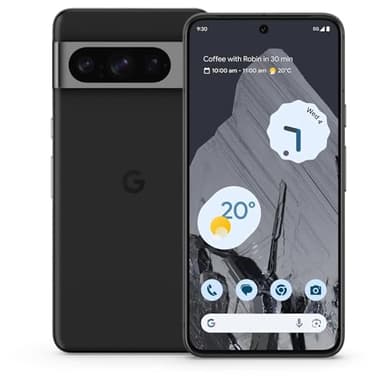
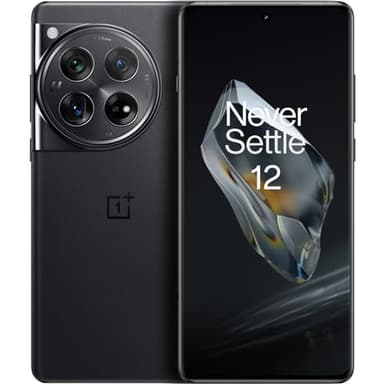
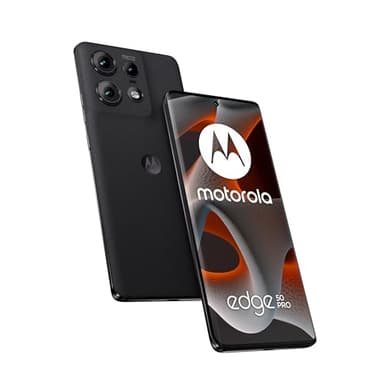
When choosing a smartphone, consider the display type and size, as this impacts both viewing experience and one-handed use. Camera quality, including megapixels, optical zoom, and low-light performance, is crucial for many users. Battery life is another significant factor; look for models that can comfortably last a full day on a single charge. Processor speed and RAM affect overall performance and multitasking capabilities. Finally, assess the operating system – iOS and Android offer distinct user experiences and app ecosystems.
Types and Formats
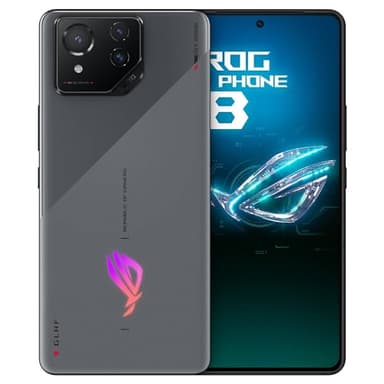
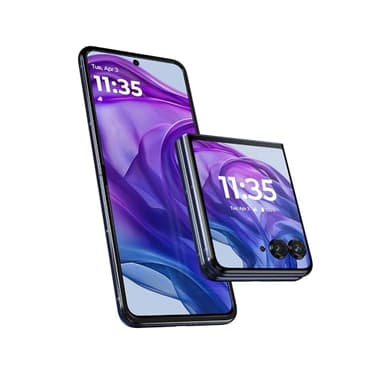
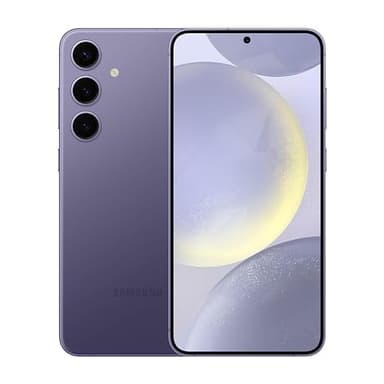
Smartphones come in several main types. Standard slab phones are the most common, offering a traditional design. Foldable phones, like flip or fold styles, provide a larger screen in a more compact form factor when closed, or a tablet-like experience when open. Gaming phones prioritize high refresh rate displays, powerful processors, and advanced cooling for optimal gaming performance. Budget-friendly options often balance essential features with a lower price point, while flagship models push the boundaries of technology and design.
Sizing and Compatibility
Smartphone size impacts portability and usability. Smaller phones are easier to hold and operate with one hand, while larger screens offer a more immersive experience for media consumption and productivity. Consider how the phone will fit in your pocket or bag. Compatibility primarily revolves around your carrier; ensure the phone supports the necessary network bands for your provider. Also, think about ecosystem compatibility if you already own other devices like smartwatches or tablets from a particular brand.
Budget Tiers Explained
Smartphone prices generally fall into three tiers. Entry-level phones offer basic functionality for communication and light app use, focusing on affordability. Mid-range devices provide a good balance of features, performance, and camera quality without the premium price tag, often incorporating some flagship-level technologies. High-end or flagship smartphones represent the pinnacle of current technology, offering the best displays, cameras, processors, and build quality, along with advanced features like water resistance and wireless charging.
Common Mistakes to Avoid
One common mistake is overspending on features you won't use; assess your actual needs before buying the most expensive model. Conversely, choosing a phone that's too cheap can lead to a frustrating experience with slow performance or poor battery life. Neglecting to check carrier compatibility can result in a phone that doesn't work on your network. Also, don't overlook software updates and long-term support; some brands offer more years of updates than others, which impacts the phone's longevity and security.
Frequently asked questions
What's the difference between iOS and Android?
iOS is Apple's operating system, known for its simplicity, strong security, and seamless integration with other Apple devices. Android, developed by Google, is more customizable and open, appearing on a wider range of devices from various manufacturers.
How important is a phone's camera megapixels?
Megapixels are just one factor in camera quality. While more can mean higher resolution, lens quality, sensor size, and software processing are often more critical for producing excellent photos, especially in challenging lighting conditions.
Should I get a phone with 5G connectivity?
If 5G is available in your area and your carrier supports it, a 5G-enabled phone can offer significantly faster download and upload speeds. It's becoming a standard feature, so choosing a 5G phone helps future-proof your purchase.
What does 'unlocked' mean for a smartphone?
An unlocked smartphone is not tied to a specific carrier. You can use it with any compatible network by simply inserting your SIM card. This offers more flexibility if you travel or decide to switch providers.
How long should a smartphone last?
A typical smartphone can last 2-4 years with proper care. Factors like battery degradation, software update support, and physical wear and tear influence its lifespan. Flagship phones often have longer support cycles.