
How to choose the right smartwatches
Key Features to Look For
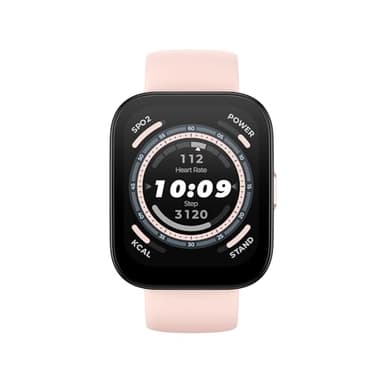
When selecting a smartwatch, consider features like display type (AMOLED, LCD, E-Ink) for clarity and battery life, and GPS for accurate location tracking during outdoor activities. Heart rate monitoring, sleep tracking, and blood oxygen sensors are common health metrics, while NFC enables contactless payments. Water resistance is crucial for swimming or accidental splashes. Also, evaluate the available apps and notification capabilities to ensure it integrates seamlessly with your daily routine and smartphone ecosystem. Pay attention to the operating system, as this dictates app availability and overall user experience.
Types and Formats of Smartwatches
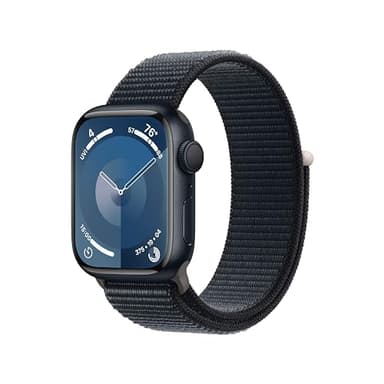
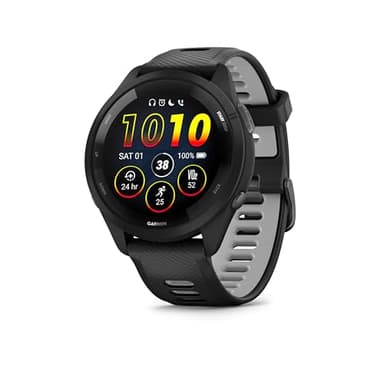
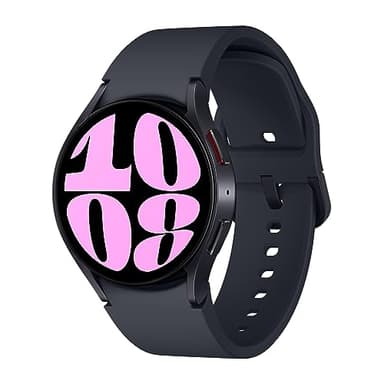
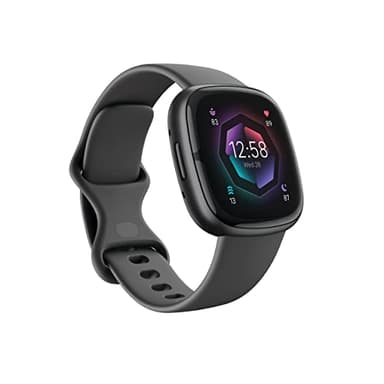
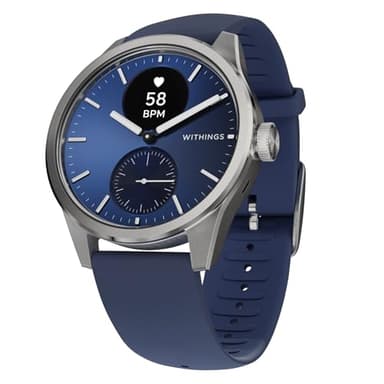
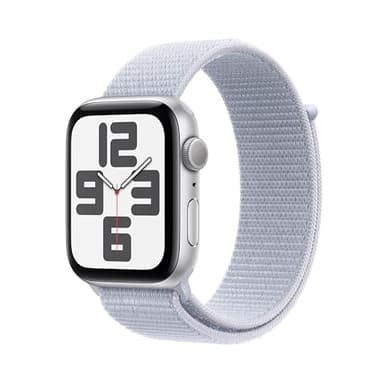
Smartwatches generally fall into a few categories. Full-featured smartwatches, like those from Apple or Samsung, offer extensive app ecosystems, advanced health tracking, and robust communication features. Fitness trackers with smartwatch capabilities, such as many Fitbit models, prioritize activity monitoring and often have longer battery life with fewer advanced apps. Hybrid smartwatches, like those from Withings, combine traditional analog watch aesthetics with discreet smart features like step counting and notifications, often with exceptional battery longevity. Consider which balance of features and traditional watch appearance best suits your preferences.
Sizing and Compatibility
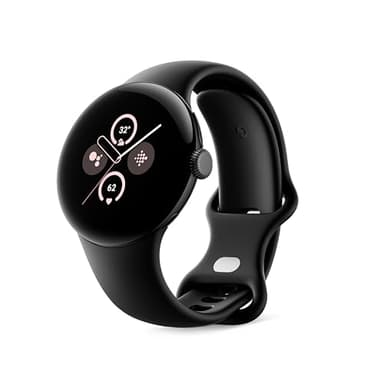
Smartwatch sizing typically refers to the case diameter and strap length. Case sizes vary, with smaller options often preferred for slimmer wrists and larger ones for more prominent displays. Many models offer interchangeable straps, allowing for customization and a better fit. Compatibility is critical: Apple Watches work exclusively with iPhones, while Wear OS devices (like Google Pixel Watch or Samsung Galaxy Watch) are primarily designed for Android phones, though some offer limited iOS compatibility. Ensure your chosen smartwatch is compatible with your existing smartphone for full functionality and seamless integration.
Understanding Smartwatch Budget Tiers
Smartwatch prices vary significantly based on brand, features, and build quality. Entry-level smartwatches often focus on basic fitness tracking, notifications, and essential smart features, providing good value for those new to wearables. Mid-range options typically add more advanced health sensors, better displays, and a wider selection of apps, offering a balance of features and cost. High-end smartwatches, from premium brands, boast the most sophisticated health monitoring, advanced GPS, cellular connectivity, and often premium materials like sapphire glass or titanium, catering to users who demand the best technology and design.
Common Mistakes to Avoid
One common mistake is overlooking smartphone compatibility; always confirm your chosen smartwatch works with your phone's operating system. Another error is neglecting battery life expectations; some smartwatches require daily charging, while others can last for days or weeks. Don't assume all smartwatches offer the same level of water resistance; check the specific rating if you plan to swim or shower with it. Finally, avoid buying a smartwatch solely for its looks without considering the features you actually need, as a beautiful device with limited functionality can lead to disappointment.
Frequently asked questions
Do smartwatches need to be connected to a phone?
Most smartwatches require a connection to a smartphone for full functionality, including receiving notifications, making calls, and using certain apps. Some higher-end models offer cellular connectivity, allowing them to perform many functions independently without a nearby phone, though this often incurs an additional service fee.
How long does smartwatch battery life typically last?
Smartwatch battery life varies widely. Full-featured smartwatches with vibrant displays and extensive app usage often last 1-2 days. Fitness-focused smartwatches or those with simpler displays can last several days to a week. Hybrid smartwatches, which combine analog hands with smart features, can sometimes last for weeks or even months on a single charge.
Can I make calls and send texts from a smartwatch?
Yes, many smartwatches allow you to make and receive calls and send texts. If your smartwatch has cellular connectivity (eSIM), it can do this independently. If it's a Bluetooth-only model, it will need to be connected to your smartphone to relay calls and messages through your phone's cellular service.
Are all smartwatches waterproof?
No, not all smartwatches are fully waterproof. Most are water-resistant, meaning they can withstand splashes or brief immersion. However, the level of water resistance varies significantly. Always check the specific water resistance rating (e.g., 5 ATM for swimming) if you plan to use your smartwatch for water-based activities like swimming or showering.
What is the difference between a smartwatch and a fitness tracker?
A fitness tracker primarily focuses on monitoring physical activity, sleep, and basic health metrics. A smartwatch offers broader functionality, including app ecosystems, notification management, contactless payments, and often more advanced communication features, in addition to fitness tracking. Some devices blur the lines, offering robust fitness tracking within a smartwatch form factor.