






How to choose the right space heaters
Key Features to Look For
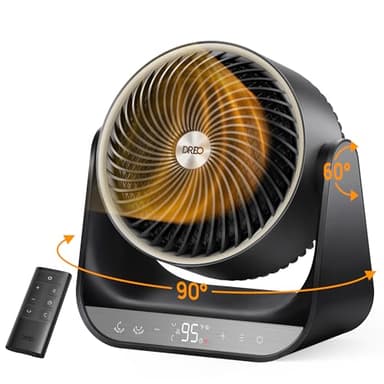
When selecting a space heater, prioritize safety features like automatic shut-off if tipped over or overheated, and cool-touch exteriors, especially if you have pets or children. Adjustable thermostats and multiple heat settings allow for precise temperature control and energy efficiency. Look for models with oscillation for wider heat distribution, and consider a timer function for convenience and to save energy. Portability is also key, so check for lightweight designs and integrated handles if you plan to move the heater between rooms frequently. Noise level can also be a factor, particularly for bedroom or office use.
Types of Space Heaters
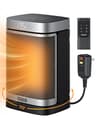
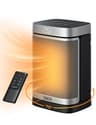
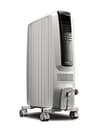
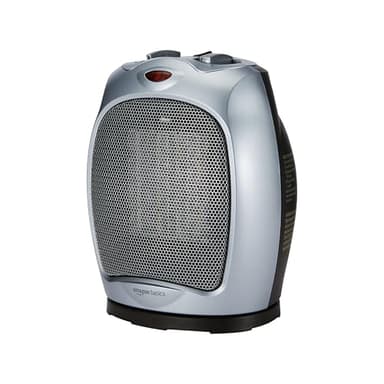
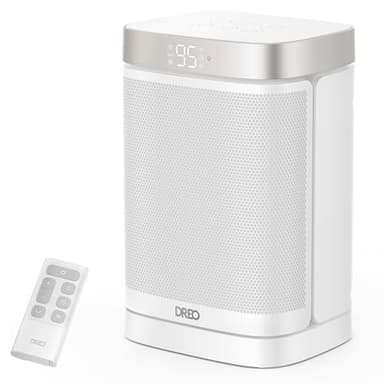
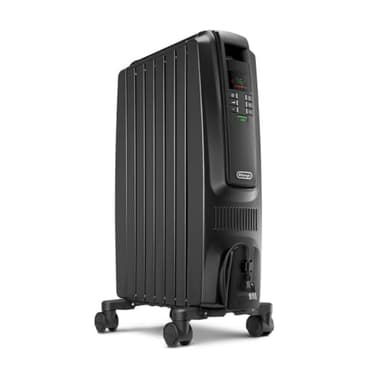
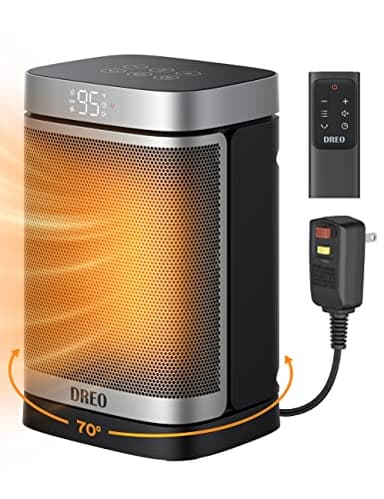
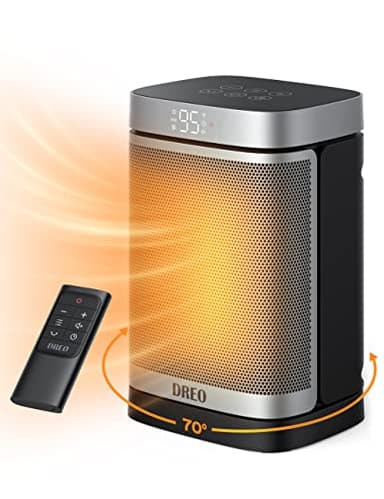
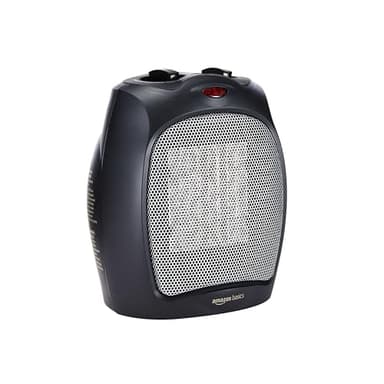
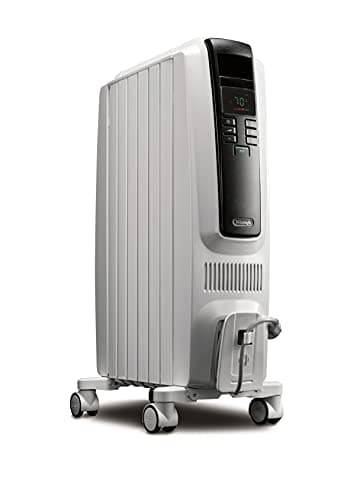
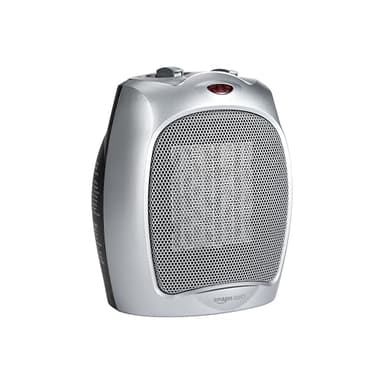
Space heaters primarily come in a few main types. Ceramic heaters use ceramic heating elements and a fan to distribute warmth quickly, making them ideal for personal use or small rooms. Oil-filled radiant heaters, like those from De'Longhi, heat oil inside fins, providing a consistent, long-lasting warmth that radiates into the room, often without a fan, making them very quiet. Infrared heaters directly heat objects and people in their path, offering immediate warmth. Convection heaters warm the air, circulating it through the room, which can be effective for larger spaces but takes longer to feel the heat.
Sizing and Room Compatibility
Choosing the right size space heater depends on the area you need to heat. A general rule of thumb is that you'll need about 10 watts of heating power per square foot of space. For a small office or personal use, a compact ceramic heater around 750-1500 watts might suffice. For a medium-sized room, a 1500-watt heater is often appropriate. Larger rooms or areas with high ceilings may benefit from radiant or convection heaters designed for whole-room heating. Always check the manufacturer's recommendations for room size, as efficiency can vary based on insulation and ceiling height.
Budget Tiers Explained
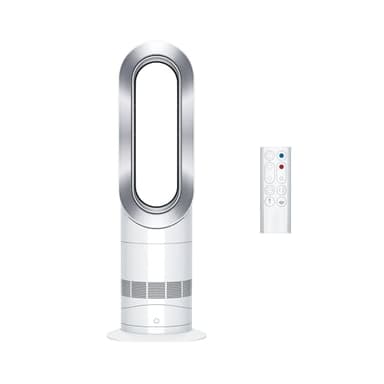
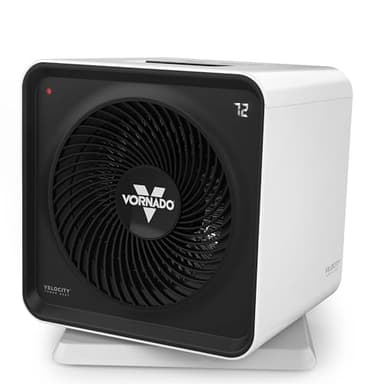
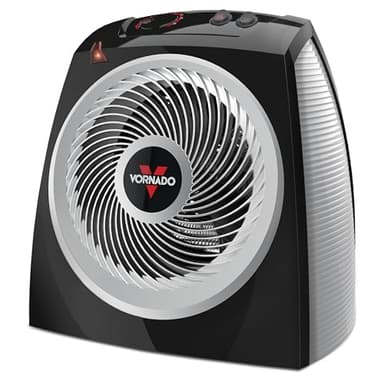
Space heaters are available across a wide range of price points. Entry-level models typically offer basic functionality, such as a single heat setting and essential safety features, making them suitable for occasional personal use. Mid-range heaters often include more advanced features like adjustable thermostats, multiple power settings, oscillation, and enhanced safety mechanisms. Premium models, such as those from Dyson or Vornado, usually boast sophisticated designs, advanced heating technologies, smart features, and superior energy efficiency, often with a focus on whole-room heating or dual fan/heater functionality. Your budget should align with the features and performance you require.
Common Mistakes to Avoid
One common mistake is using an extension cord; space heaters draw a lot of power and should ideally be plugged directly into a wall outlet to prevent overheating and fire hazards. Another error is leaving a space heater unattended or running it overnight, which poses a significant safety risk. Always ensure the heater is placed on a stable, level surface, away from flammable materials like curtains, furniture, and bedding. Overheating a room by setting the thermostat too high can also waste energy and lead to discomfort. Finally, neglecting to clean dust from the heater's vents can reduce efficiency and become a fire hazard.
Frequently asked questions
Are space heaters safe to use?
Modern space heaters include safety features like tip-over protection and automatic shut-off. Always follow manufacturer instructions, keep them away from flammable materials, and never leave them unattended to ensure safe operation. Proper placement and direct plugging into an outlet are crucial for safety.
How much electricity do space heaters use?
Space heaters typically use a significant amount of electricity, often around 1500 watts on their highest setting. The actual cost depends on your local electricity rates and how long you run the heater. Using them to supplement central heating in specific rooms can be more efficient than heating an entire house.
Can I use a space heater in a bathroom?
Only use space heaters specifically rated for bathroom use, which are designed with extra safety features to handle moisture. Most standard space heaters are not safe for bathrooms due to the risk of electric shock. Always check the product specifications for damp-location suitability.
What's the difference between radiant and convection heaters?
Radiant heaters directly warm objects and people in their path, providing immediate warmth, similar to sunlight. Convection heaters warm the air, which then circulates throughout the room, taking longer to heat but often providing more even warmth across a larger space. Each type suits different heating needs.
How do I clean my space heater?
Always unplug your space heater before cleaning. Use a soft, dry cloth to wipe down the exterior. For vents, use a vacuum cleaner with a brush attachment to remove dust and debris. Avoid using liquids or abrasive cleaners, as these can damage the heater or create a safety hazard. Regular cleaning maintains efficiency.