


How to choose the right sports & outdoors
Key Features to Look For
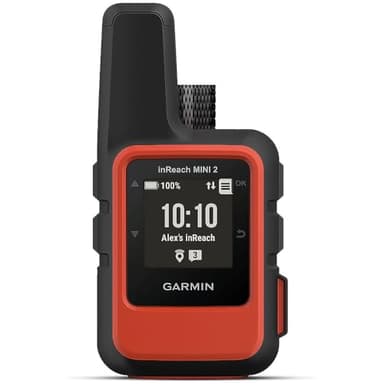
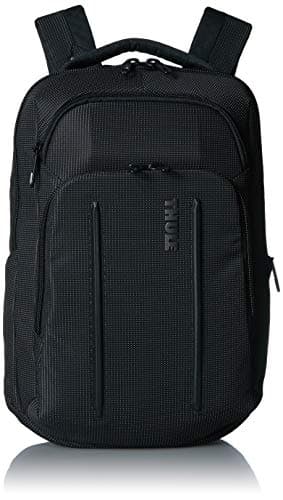
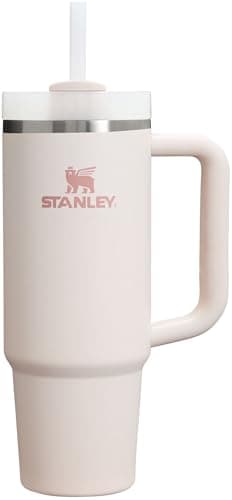
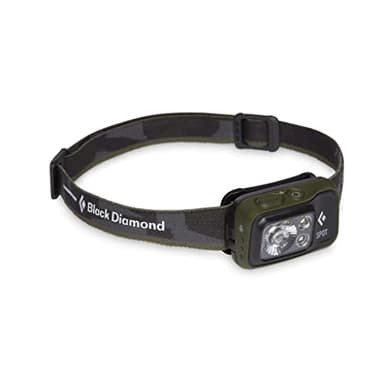
When selecting sports and outdoors gear, prioritize durability and suitability for your intended activity. For hydration, consider insulation type and mouth size for easy cleaning and ice addition. Headlamps should offer varying brightness modes and a comfortable, adjustable strap. Tents require robust waterproofing, easy setup, and adequate ventilation. For navigation, look for reliable GPS and communication capabilities. Backpacks need comfortable suspension systems and organization. Coolers should excel at ice retention and be built to withstand rough handling. Footwear demands proper support, grip, and weather protection. Always check material quality and construction for longevity.
Types and Formats of Outdoor Gear
Outdoor gear comes in various forms, each designed for specific uses. Hydration solutions range from insulated bottles for temperature retention to large tumblers with handles for convenience. Lighting options include compact headlamps for hands-free illumination and lanterns for campsite ambiance. Shelters vary from lightweight backpacking tents to larger family camping tents. Communication devices span from basic two-way radios to advanced satellite communicators for off-grid safety. Backpacks are designed for day trips, multi-day treks, or urban commuting. Coolers come as hard-sided for maximum durability or soft-sided for portability. Footwear includes hiking shoes, boots, and trail runners, each offering different levels of support and protection.
Sizing and Compatibility
Proper sizing and compatibility are crucial for comfort and performance. For footwear, always try them on with the socks you'd typically wear and ensure there's enough room in the toe box. Backpacks need to fit your torso length and hip circumference for effective weight distribution; adjustable straps are key. Tents are typically rated by the number of occupants they can comfortably hold, but consider extra space for gear. Headlamps are generally one-size-fits-all with adjustable straps. Water bottles and tumblers are measured by fluid ounces, so choose based on your hydration needs and how often you can refill. Ensure any accessories, like water filters or specific battery types, are compatible with your chosen gear.
Budget Tiers Explained
Outdoor gear can be categorized into three general budget tiers. Entry-level gear typically offers basic functionality and materials, suitable for occasional use or beginners, focusing on essential performance without many extra features. Mid-range products provide a good balance of durability, features, and performance, often incorporating better materials and thoughtful design for more frequent or varied use. Premium or high-end gear features advanced technologies, superior materials, and specialized designs, offering maximum durability, comfort, and performance for demanding conditions or dedicated enthusiasts. Investing in higher tiers often translates to increased longevity and better performance in challenging environments.
Common Mistakes to Avoid
A common mistake is buying gear that's too heavy or bulky for your intended activity, leading to fatigue or inconvenience. Another error is overlooking weather-specific features; a non-waterproof tent in a rainy climate will lead to a miserable experience. Don't underestimate the importance of proper fit, especially for footwear and backpacks, as ill-fitting gear can cause discomfort or injury. Neglecting to test gear before a trip is also a frequent oversight; always set up your tent or try on new shoes beforehand. Finally, avoid buying solely based on brand name without considering if the product's features truly meet your specific needs and activity level.
Frequently asked questions
How do I choose the right size tent?
Consider the number of people and any gear you'll be storing inside. Tent capacities are often snug, so for more comfort or if you have bulky equipment, consider going up one size from the stated capacity. Also, think about the packed size and weight if you'll be carrying it far.
What's the difference between a hiking shoe and a hiking boot?
Hiking shoes are lighter and more flexible, offering good support for day hikes on well-maintained trails. Hiking boots provide more ankle support, stiffer soles, and often better waterproofing, making them suitable for rugged terrain, heavy loads, or multi-day treks.
How often should I clean my water bottle or hydration reservoir?
It's best to clean your water bottle or hydration reservoir after every use, especially if you're putting anything other than water in it. This prevents mold and bacteria growth. Use warm, soapy water and a bottle brush, then air dry completely before storing.
Are satellite communicators necessary for all outdoor activities?
Satellite communicators are essential for activities that take you beyond cellular service, such as remote hiking, backpacking, or off-grid adventures. They provide a vital link for emergency communication and can offer peace of mind, but aren't necessary for local parks or areas with reliable cell coverage.
How can I make my cooler more efficient?
Pre-chill your cooler with ice or ice packs before loading it. Use block ice instead of cubes for longer retention. Pack it full, minimizing air space, and layer items with ice on top. Keep the lid closed as much as possible and store it in the shade to maximize ice life.