
How to choose the right stand mixers
Key Features to Look For
When selecting a stand mixer, consider motor power, typically measured in watts, as it indicates how well the mixer can handle dense doughs. Bowl capacity is another crucial factor; common sizes range from 4.5 to 7 quarts, impacting how much you can mix at once. Look for models with multiple speed settings, including a slow start to prevent splattering. Attachment compatibility is also important; many mixers offer a power hub for various accessories like pasta makers or meat grinders. Finally, consider the mixer's construction material for durability and stability on your countertop.
Types and Formats
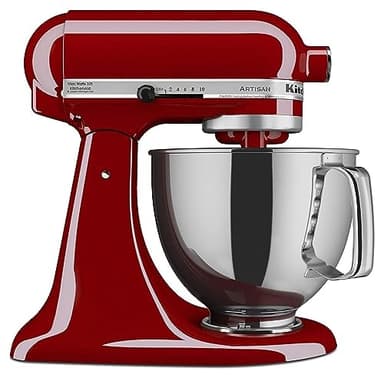
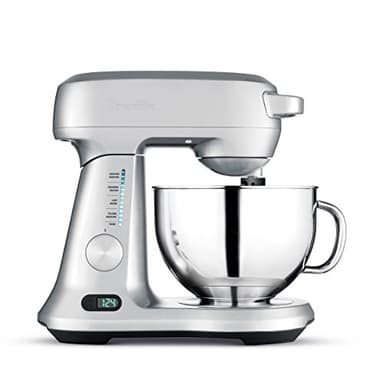
Stand mixers primarily come in two main types: tilt-head and bowl-lift. Tilt-head models allow the head to tilt back, providing easy access to the bowl and attachments. They are generally more compact and suitable for smaller batches. Bowl-lift models feature a lever that raises and lowers the bowl, offering greater stability and often accommodating larger capacities, making them ideal for heavy-duty tasks like bread dough. Some mixers also feature a planetary mixing action, where the beater rotates in one direction while the shaft rotates in the opposite direction, ensuring thorough mixing.
Sizing and Compatibility
Stand mixer size is largely determined by its bowl capacity. A 4.5 to 5-quart mixer is generally sufficient for most home bakers, handling standard cake batters and cookie doughs. For larger families or frequent bread making, a 6 to 7-quart model might be more appropriate. Consider your available counter space and storage, as these appliances can be quite bulky. Also, check for compatibility with various attachments if you plan to expand its functionality beyond basic mixing. Ensure the mixer's footprint fits comfortably in your kitchen.
Budget Tiers Explained
Stand mixers are available across a wide range of price points, generally falling into entry-level, mid-range, and premium tiers. Entry-level models typically offer basic functionality, lower wattage motors, and fewer included attachments, suitable for occasional light baking. Mid-range mixers provide a good balance of power, features, and durability, often with more robust construction and a wider selection of speeds. Premium models boast powerful motors, durable all-metal construction, larger capacities, and a comprehensive suite of attachments, designed for frequent and heavy-duty use by serious home cooks.
Common Mistakes to Avoid
One common mistake is underestimating the required motor power; a weak motor will struggle with thick doughs and lead to premature wear. Another error is choosing a bowl capacity that's too small for your typical recipes, resulting in overflow or needing to mix in batches. Neglecting to consider the mixer's weight and stability can lead to it 'walking' across the counter during operation. Finally, not checking for available attachments can limit the mixer's versatility if you later decide you want to make pasta or grind meat. Always read the instruction manual for proper use and care.
Frequently asked questions
What is the difference between a tilt-head and bowl-lift stand mixer?
Tilt-head mixers have a head that tilts back for easy access to the bowl and attachments, generally for smaller batches. Bowl-lift mixers use a lever to raise and lower the bowl, offering more stability for larger capacities and heavier doughs.
How many watts do I need for a stand mixer?
For light to moderate baking, a mixer with 250-300 watts is often sufficient. If you frequently make bread dough or other heavy mixtures, look for models with 325 watts or more for better performance and longevity.
Can I knead bread dough in a stand mixer?
Yes, many stand mixers come with a dough hook attachment specifically designed for kneading bread dough. Ensure your mixer has adequate power and a sturdy build to handle the resistance of thick doughs.
What attachments typically come with a stand mixer?
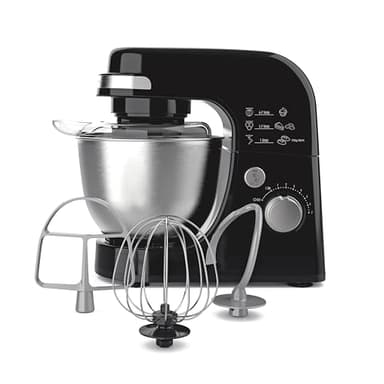
Most stand mixers include a flat beater for general mixing, a wire whip for aerating ingredients like egg whites, and a dough hook for kneading. Some models may also include a pouring shield or additional specialized beaters.
How do I clean my stand mixer?
Always unplug the mixer before cleaning. Most bowls and attachments are dishwasher safe, but check your manual. Wipe the mixer head and base with a damp cloth, ensuring no liquids enter the motor housing. Dry all parts thoroughly before reassembly.