
How to choose the right sunglasses
Key Features to Look For
When shopping for sunglasses, prioritize UV protection, which should be 100% UVA/UVB or UV400. Lens material impacts clarity, durability, and weight; common options include polycarbonate (impact-resistant), glass (scratch-resistant, optical clarity), and CR-39 (lightweight). Polarization is crucial for reducing glare, especially near water or snow. Frame material affects comfort and longevity, with choices like acetate (classic, durable), metal (sleek, adjustable), and nylon (lightweight, flexible). Consider lens color for different light conditions; grey is good for true color perception, brown enhances contrast, and green offers good all-around performance.
Types and Formats
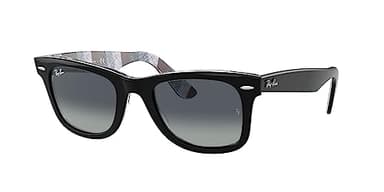
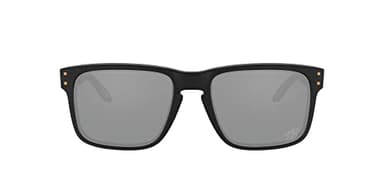
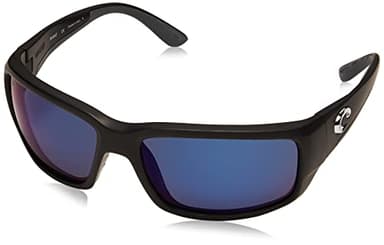
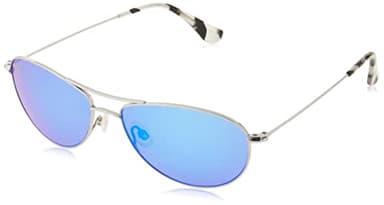
Sunglasses come in various types tailored for different uses. Fashion sunglasses prioritize style and often feature unique frame designs and lens tints, suitable for everyday wear. Sport sunglasses are designed for active lifestyles, offering secure fits, durable frames, and often interchangeable or specialized lenses for performance. Wrap-around styles provide maximum peripheral protection from sun and wind. Aviator and Wayfarer are classic frame formats that offer timeless style and suit many face shapes. Mirrored lenses add a stylish touch and can reduce glare further, while gradient lenses are darker at the top and lighter at the bottom, useful for driving.
Sizing and Compatibility
Proper fit is essential for comfort and effectiveness. Sunglasses typically have three measurements: lens width, bridge width, and temple length, usually printed on the inside of the temple arm. Lens width refers to the horizontal diameter of the lens, bridge width is the distance between the lenses, and temple length is the length of the arm from the hinge to the tip. For a good fit, the frames should not slide down your nose or pinch your temples. The bottom of the frames should not rest on your cheeks. Consider your face shape; for example, round faces often suit angular frames, while square faces can be softened by rounder styles.
Budget Tiers Explained
Sunglasses are available across a wide range of price points, reflecting differences in materials, brand, and technology. Entry-level options often use basic plastic frames and standard UV-protective lenses, suitable for casual use or as backup pairs. Mid-range sunglasses typically feature more durable frame materials like acetate or metal, improved lens clarity, and often include polarization. Premium sunglasses offer advanced lens technologies, such as specialized coatings or prescription compatibility, handcrafted frames, and designer branding. These higher-tier options often come with enhanced warranties and superior optical performance, justifying their investment for discerning buyers.
Common Mistakes to Avoid
A common mistake is buying sunglasses solely based on aesthetics without checking for 100% UV protection; inadequate protection can harm your eyes. Another error is neglecting fit, leading to discomfort or the sunglasses constantly slipping. Don't assume all dark lenses offer good UV protection; lens color is not an indicator of UV blocking capability. Overlooking polarization can mean missing out on glare reduction, especially if you spend time outdoors near reflective surfaces. Finally, not considering your lifestyle can lead to purchasing fragile fashion frames for active sports, or overly sporty frames for formal occasions.
Frequently asked questions
What does 100% UV protection mean for sunglasses?
100% UV protection means the lenses block 100% of harmful UVA and UVB rays from reaching your eyes. This is crucial for preventing eye damage like cataracts and macular degeneration. Always look for this specification or 'UV400' when purchasing sunglasses to ensure adequate protection.
Are polarized lenses always better?
Polarized lenses are excellent for reducing glare from reflective surfaces like water, snow, or roads, improving visual comfort and clarity. They are highly beneficial for driving, fishing, and outdoor sports. However, they can make it difficult to view LCD screens or can sometimes interfere with depth perception in certain situations.
How do I choose the right frame size for my face?
To choose the right frame size, consider the lens width, bridge width, and temple length. The frames should feel snug but not tight, and they should not slide down your nose. The width of the frames should roughly match the width of your face, and the bottom edge shouldn't rest on your cheeks.
What's the difference between glass and polycarbonate lenses?
Glass lenses offer superior optical clarity and scratch resistance but are heavier and more prone to shattering upon impact. Polycarbonate lenses are much lighter and highly impact-resistant, making them a safer choice for sports and children. However, they are more susceptible to scratches than glass.
Can I wear sunglasses indoors?
While you can wear sunglasses indoors for fashion purposes, it's generally not recommended for extended periods. Wearing dark lenses indoors can cause your pupils to dilate, potentially leading to eye strain and making your eyes more sensitive to light when you go back outside. It's best to reserve them for outdoor use.