

How to choose the right tools & hardware
Key Features to Look For
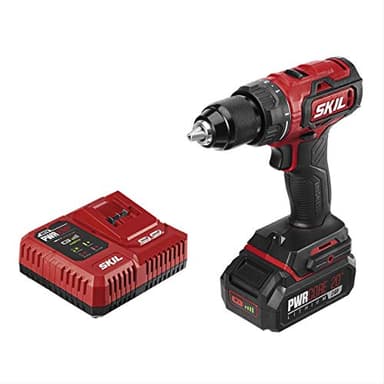
When selecting a cordless drill, consider its power, measured in voltage (V), which indicates its capability for tougher tasks. Look at the chuck size, typically 1/2 inch or 3/8 inch, determining the maximum drill bit or driver bit shank it can hold. Pay attention to the motor type; brushless motors offer longer runtimes, more power, and extended tool life compared to brushed motors. Variable speed triggers provide greater control for different materials and applications. Also, evaluate battery capacity (amp-hours or Ah) for longer use between charges and the availability of an integrated LED light for improved visibility in dimly lit workspaces.
Types and Formats of Cordless Drills
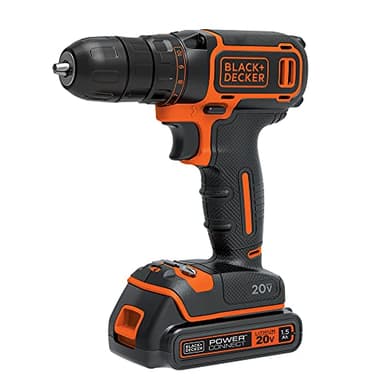
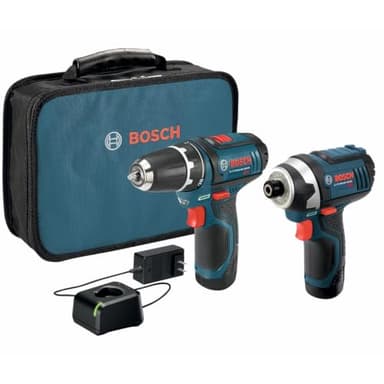
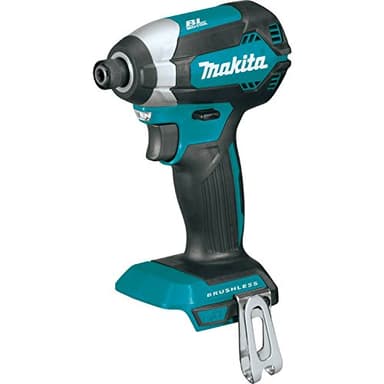
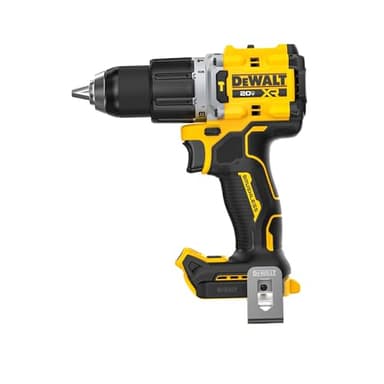
Cordless drills come in several formats, each suited for different tasks. Standard drill/drivers are versatile for drilling holes and driving screws. Hammer drills add a hammering action, making them effective for drilling into masonry and concrete. Impact drivers, while not drills in the traditional sense, are often grouped with them due to their screw-driving capabilities; they deliver high rotational force with rapid impacts, ideal for fastening long screws or bolts. Combo kits often include a drill/driver and an impact driver, providing a comprehensive solution for various projects. Consider your primary uses to determine which type or combination best fits your needs.
Sizing and Compatibility
Cordless drill sizing primarily refers to the chuck capacity, typically 1/2-inch or 3/8-inch. A 1/2-inch chuck accommodates larger drill bits and offers more versatility for heavy-duty tasks, while a 3/8-inch chuck is common on lighter-duty drills. Battery voltage is another crucial sizing factor, with common options like 12V, 18V, and 20V MAX. Higher voltage generally means more power and longer runtime. Compatibility is key for battery systems; most brands have proprietary battery platforms, meaning batteries and chargers are interchangeable only within that brand's specific voltage line. If you already own tools from a particular brand, sticking with that brand's battery platform can save money and simplify charging.
Budget Tiers Explained
Cordless drills are available across a wide range of price points, generally correlating with features, power, and brand reputation. Entry-level drills are usually sufficient for occasional light-duty household tasks and basic DIY projects, often featuring brushed motors and smaller battery capacities. Mid-range options offer a good balance of power, features like brushless motors, and durability for more frequent use and moderate projects. Professional-grade drills, found at the higher end, are built for demanding daily use, offering maximum power, advanced features, robust construction, and often come with higher capacity batteries and rapid chargers. Consider your expected usage frequency and project complexity when determining your budget.
Common Mistakes to Avoid
One common mistake is buying a drill that's either underpowered or overpowered for your typical tasks. An underpowered drill will struggle, while an overpowered one might be unnecessarily heavy and expensive. Another error is neglecting battery compatibility; ensure new tools use batteries from your existing platform if you want to save money. Forgetting to check the chuck size can limit your bit options. Also, don't overlook the importance of a variable speed trigger for control, or an LED light for visibility. Finally, assuming all drills are the same can lead to disappointment; consider specific features like hammer drill functionality or brushless motors based on your project needs.
Frequently asked questions
What's the difference between a drill/driver and an impact driver?
A drill/driver is designed for drilling holes and driving screws, offering variable speed and clutch settings. An impact driver delivers short, powerful bursts of rotational force, making it highly effective for driving long screws or bolts quickly and efficiently, especially in tough materials.
Do I need a brushless motor?
Brushless motors offer several advantages over brushed motors, including longer runtime per charge, more power, and a longer tool lifespan due to less friction and heat. While not essential for light, occasional use, they are highly recommended for frequent use or demanding tasks.
What voltage cordless drill should I get?
The ideal voltage depends on your intended use. 12V drills are compact and suitable for light tasks. 18V or 20V MAX drills offer more power and are versatile for most DIY and professional applications, handling tougher materials and larger fasteners with ease.
Can I use any brand's battery with my cordless drill?
Generally, no. Most cordless tool manufacturers use proprietary battery systems, meaning their batteries and chargers are only compatible with tools from the same brand and often within the same voltage line. Sticking to one brand's battery platform can be cost-effective.
What is a hammer drill feature used for?
A hammer drill combines rotational drilling with a rapid hammering action. This percussive force allows it to drill effectively into hard materials like concrete, brick, and masonry, which a standard drill/driver would struggle with or be unable to penetrate.