


How to choose the right treadmills
Key Features to Look For
When choosing a treadmill, consider motor horsepower (HP), which affects performance and durability, especially for running. A larger running surface provides more comfort and safety, particularly for taller users or those with a longer stride. Incline and decline options add variety to workouts and can target different muscle groups. Look for cushioning systems that reduce impact on your joints. Console features like display size, pre-set programs, and connectivity for fitness apps can enhance your workout experience. Finally, check the maximum user weight capacity to ensure it safely accommodates all users in your household.
Types of Treadmills
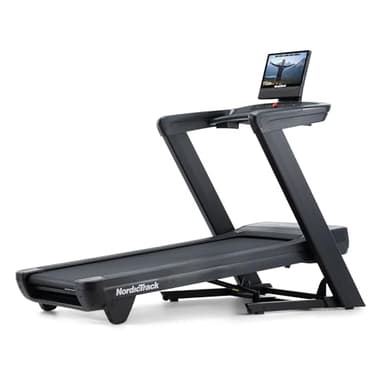
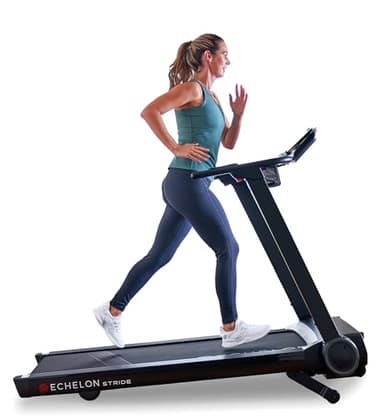
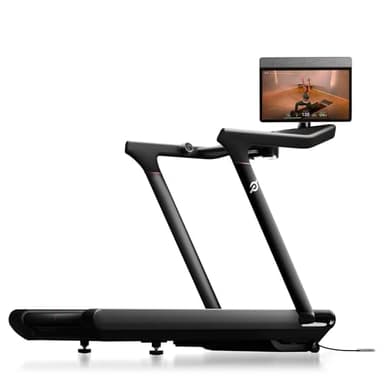
Treadmills come in several main types. Traditional folding treadmills are popular for home use as they can be stored more compactly when not in use. Non-folding treadmills often offer greater stability and a more robust feel, suitable for dedicated workout spaces. Under-desk treadmills are designed for walking while working, promoting activity throughout the day without taking up much space. Manual treadmills, powered by your own movement, are typically more affordable and don't require electricity, but offer a different feel than motorized versions. Smart treadmills often integrate with apps and offer interactive training experiences.
Sizing and Compatibility
Treadmill dimensions vary significantly. Measure your available space carefully, considering not just the footprint of the machine but also clearance around it for safety. For running, a belt length of at least 55 inches is often recommended, while walking might be comfortable with shorter belts. Check the folded dimensions if you plan to store it away. Consider the ceiling height, especially if you are tall and the treadmill has an incline feature. Ensure the treadmill's power requirements are compatible with your home's electrical outlets, as some larger models may require a dedicated circuit.
Budget Tiers Explained
Treadmills are available across a wide range of price points, generally reflecting their features, build quality, and motor strength. Entry-level models typically offer basic functionality, suitable for light walking or occasional jogging, and may have smaller running surfaces. Mid-range treadmills often include stronger motors, more varied workout programs, better cushioning, and some smart features. High-end treadmills are built for serious runners, offering powerful motors, extensive incline/decline ranges, advanced interactive training, and superior durability. Investing more often means a more comfortable and long-lasting machine with a wider range of workout options.
Common Mistakes to Avoid
One common mistake is underestimating the required space; always measure your area before purchasing. Another is neglecting to check the weight capacity, which can lead to premature wear or safety issues. Many buyers overlook the importance of motor horsepower; a weak motor can struggle with heavier users or intense running, leading to overheating. Skipping maintenance, such as lubricating the belt, can significantly shorten the treadmill's lifespan. Finally, not considering noise levels can be a problem in shared living spaces, as some treadmills are considerably louder than others during operation.
Frequently asked questions
How much space do I need for a treadmill?
You should measure the treadmill's footprint and add at least 2 feet of clear space behind it and 1 foot on each side for safety. For folding models, consider the space needed when it's upright. Always check the specific dimensions of the model you're interested in.
What is a good motor horsepower (HP) for a treadmill?
For walking, a continuous duty (CHP) motor of 1.5 to 2.0 HP is generally sufficient. For jogging, aim for 2.5 HP or more. Serious runners should look for 3.0 CHP or higher to ensure durability and smooth performance during intense workouts.
Do I need a treadmill with incline and decline?
Incline features add variety to your workouts, simulate outdoor terrain, and can increase calorie burn and target different muscle groups. Decline features are less common but can further simulate downhill running. While not essential for everyone, they enhance workout versatility.
How often should I lubricate my treadmill belt?
The frequency depends on your usage and the specific treadmill model. Generally, for average use (3-5 times a week), lubricating every 3-6 months is recommended. Always refer to your treadmill's owner's manual for specific instructions and recommended lubricant type.
Are smart treadmills worth the extra cost?
Smart treadmills offer interactive training, guided workouts, and connectivity with fitness apps, which can significantly enhance motivation and engagement. If you enjoy structured programs, virtual routes, or live classes, the added features might justify the cost for a more dynamic fitness experience.